Quote · Added 14 February 2026
Those who can make you believe absurdities can make you commit atrocities.
VoltairePhilosophical Dictionary, 1764
Filed underbelief·atrocities·manipulation
Quote · Added 14 February 2026
Filed underbelief·atrocities·manipulation
We've all felt the subtle slide from believing something dubious to acting on it. It starts small—a conspiracy theory that seems plausible, a stereotype that feels confirmed by one story, a conviction that "everyone knows" something that actually isn't true. What Voltaire noticed is that this isn't just intellectually sloppy; it's morally dangerous. Once you believe the absurd premise, the atrocious conclusion follows almost naturally.
The tricky part is recognizing when you're in the middle of this process. People who commit cruelty rarely see themselves as cruel; they see themselves as responding logically to what they believe to be true. If you believe a group is inherently dangerous, restricting their freedoms starts to seem protective rather than harmful. If you believe someone is fundamentally dishonest, any harsh treatment feels justified. The atrocity doesn't feel like an atrocity when the absurd belief does all the emotional heavy lifting first.
This matters today because we're all swimming in competing narratives, each asking us to believe something questionable as a starting point. The quote isn't really a warning about other people's gullibility—it's a warning about our own. The question isn't whether you could be fooled into believing something false. It's what you might do once you genuinely believe it.
1694–1778·lived 83 years
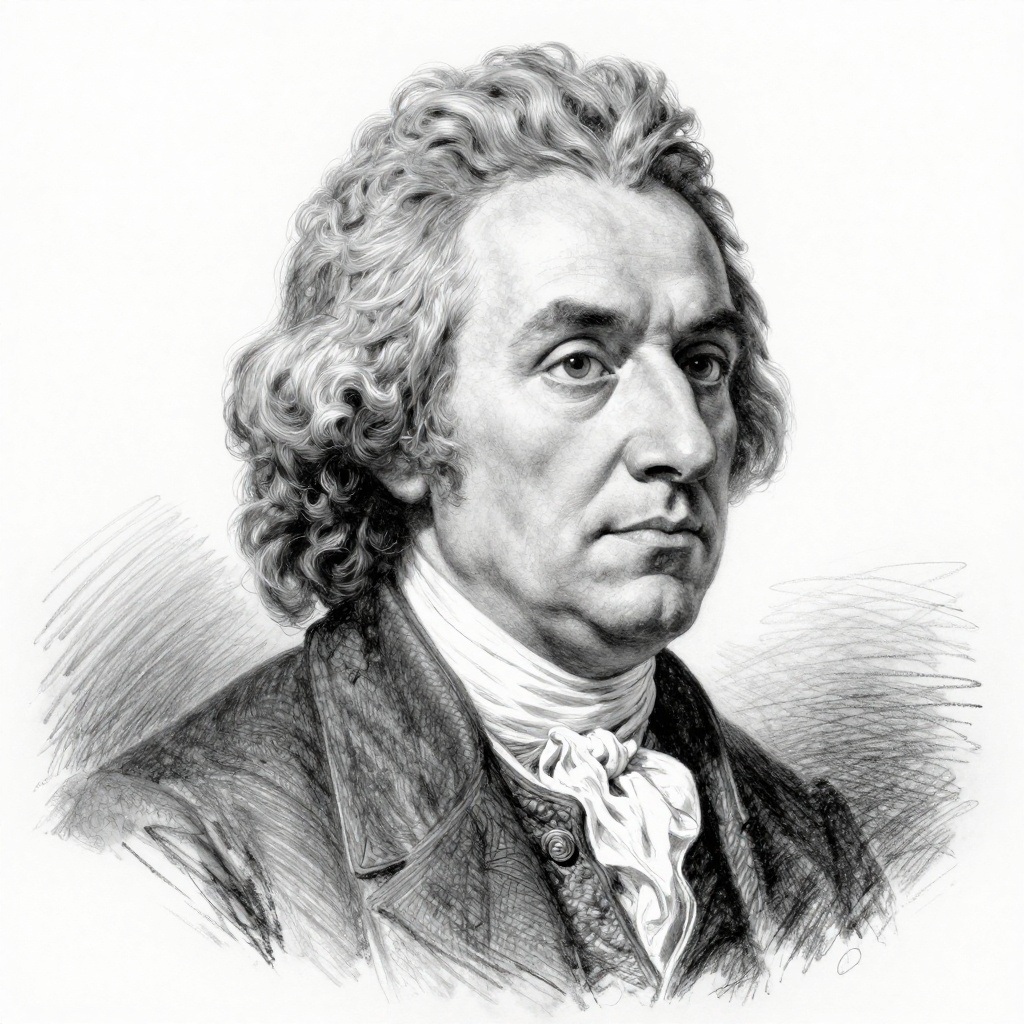
Voltaire was an influential French philosopher, writer, and historian of the Enlightenment period. He is known for his wit, intelligence, and advocacy for freedom of speech, freedom of religion, and separation of church and state. Voltaire's works, including "Candide" and numerous essays, have had a lasting impact on literature and philosophy.
Comments