Quote · Added 26 April 2024
The most important decision you make is to be in a good mood.
Filed undermood·decision·positivity
Quote · Added 26 April 2024
Filed undermood·decision·positivity
We often treat our mood like weather—something that happens to us rather than something we choose. But this quote cuts against that passivity. It's saying that before you decide what to accomplish today, before you tackle problems or help others, you've already made the most consequential choice: whether you'll show up in a decent frame of mind.
The practical insight here isn't that you can just decide to be happy and poof—it works. Rather, it's that prioritizing your mood is actually an act of respect for everyone around you. A parent who chooses to pause before snapping at a kid, a colleague who decides to step outside rather than bring frustration into a meeting—these are acts of will that ripple outward. Your mood becomes the lens through which you handle everything else. A problem feels solvable or impossible depending partly on what you bring to it mentally.
The slightly counterintuitive part: this isn't selfish. Being in a good mood isn't about ignoring real difficulties or pretending everything is fine. It's about recognizing that how you feel is partly within your control, and that managing it is one of the most generous things you can do. When you're not fighting against your own mood, you have actual energy left for the harder work.
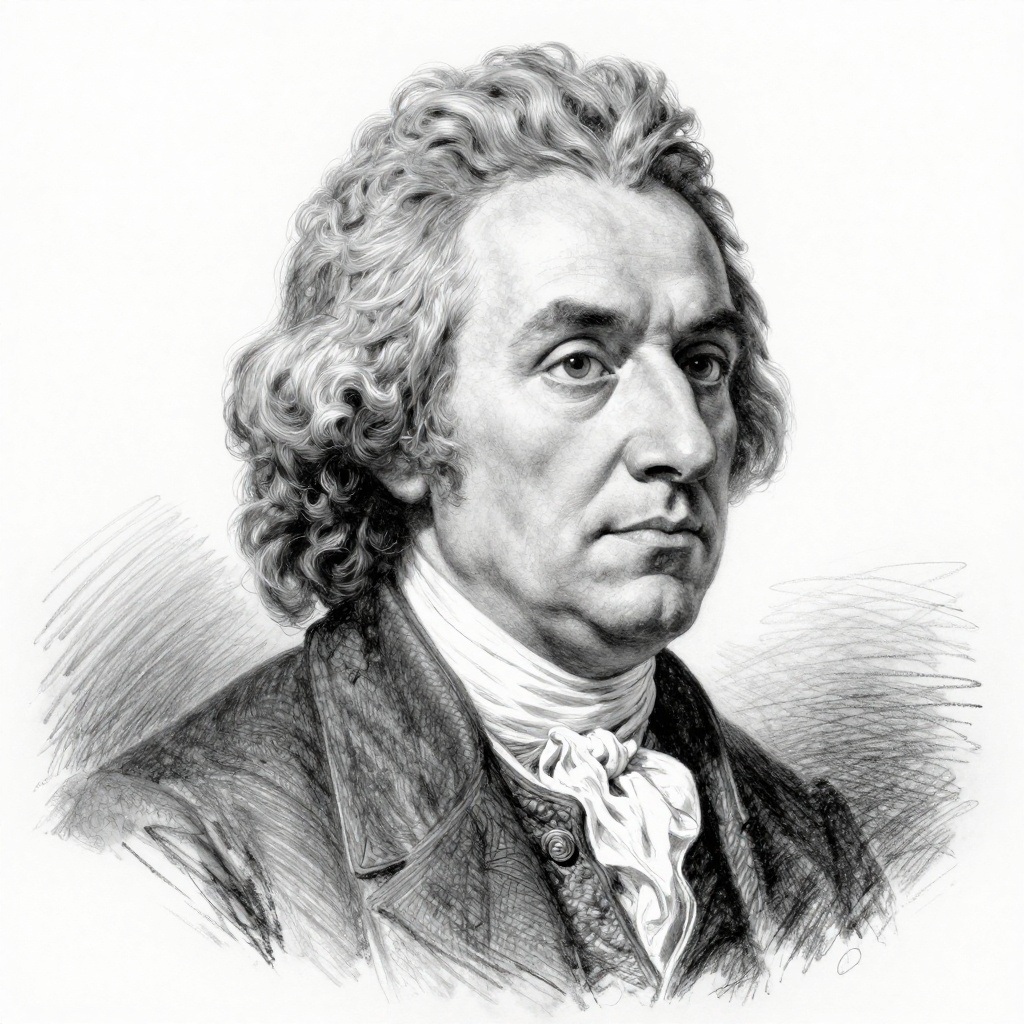
1694–1778·lived 83 years
Voltaire was an influential French philosopher, writer, and historian of the Enlightenment period. He is known for his wit, intelligence, and advocacy for freedom of speech, freedom of religion, and separation of church and state. Voltaire's works, including "Candide" and numerous essays, have had a lasting impact on literature and philosophy.
Comments