Quote · Added 14 February 2026
The husband who decides to surprise his wife is often very much surprised himself.
VoltaireLa Femme Qui a Raison, Act 1, Scene 2, 1759
Filed underhusband·surprise·relationships
Quote · Added 14 February 2026
Filed underhusband·surprise·relationships
There's a particular kind of humility that comes from trying to do something nice for someone else. You plan what you think will delight them, imagining their face, feeling quietly proud of your thoughtfulness. Then they react—and it's never quite what you expected. Maybe they're genuinely touched but wish you'd consulted them first. Maybe the gesture lands differently than you imagined. Maybe you realize you were mostly satisfying your own idea of what would make them happy.
This pattern runs deeper than just romantic gestures. It happens whenever we make assumptions about what someone needs or wants based on our own logic rather than actually asking. A parent thinks a certain school will be perfect for their kid. A friend buys someone a gift based on who they think that person is. We're constantly surprised by the gap between our intentions and reality, which usually reveals something we didn't know about the other person—or about ourselves.
The real insight isn't that surprises go wrong. It's that the act of trying to surprise someone forces you to step outside yourself and guess at another person's interior life. You'll almost always get it partly wrong, and that's not failure. That's the beginning of actually knowing them.
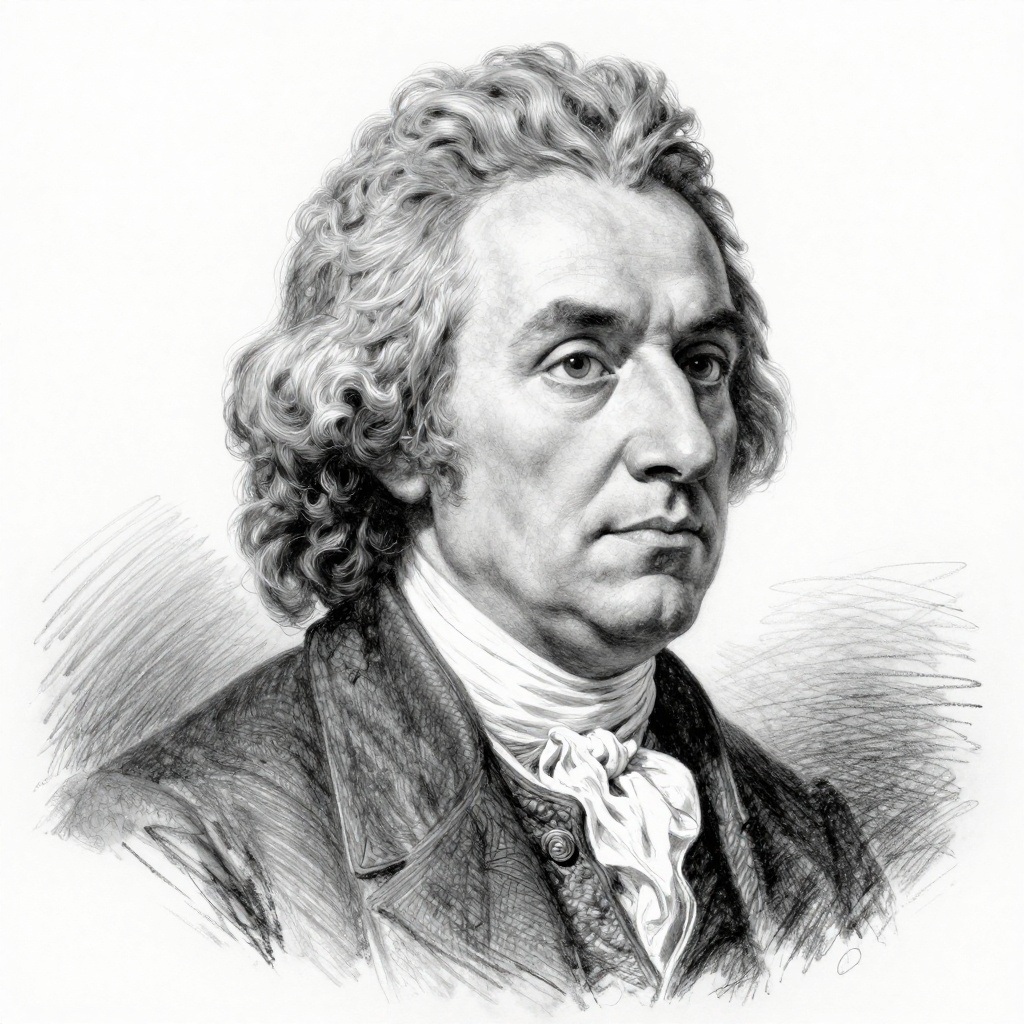
1694–1778·lived 83 years
Voltaire was an influential French philosopher, writer, and historian of the Enlightenment period. He is known for his wit, intelligence, and advocacy for freedom of speech, freedom of religion, and separation of church and state. Voltaire's works, including "Candide" and numerous essays, have had a lasting impact on literature and philosophy.
Comments