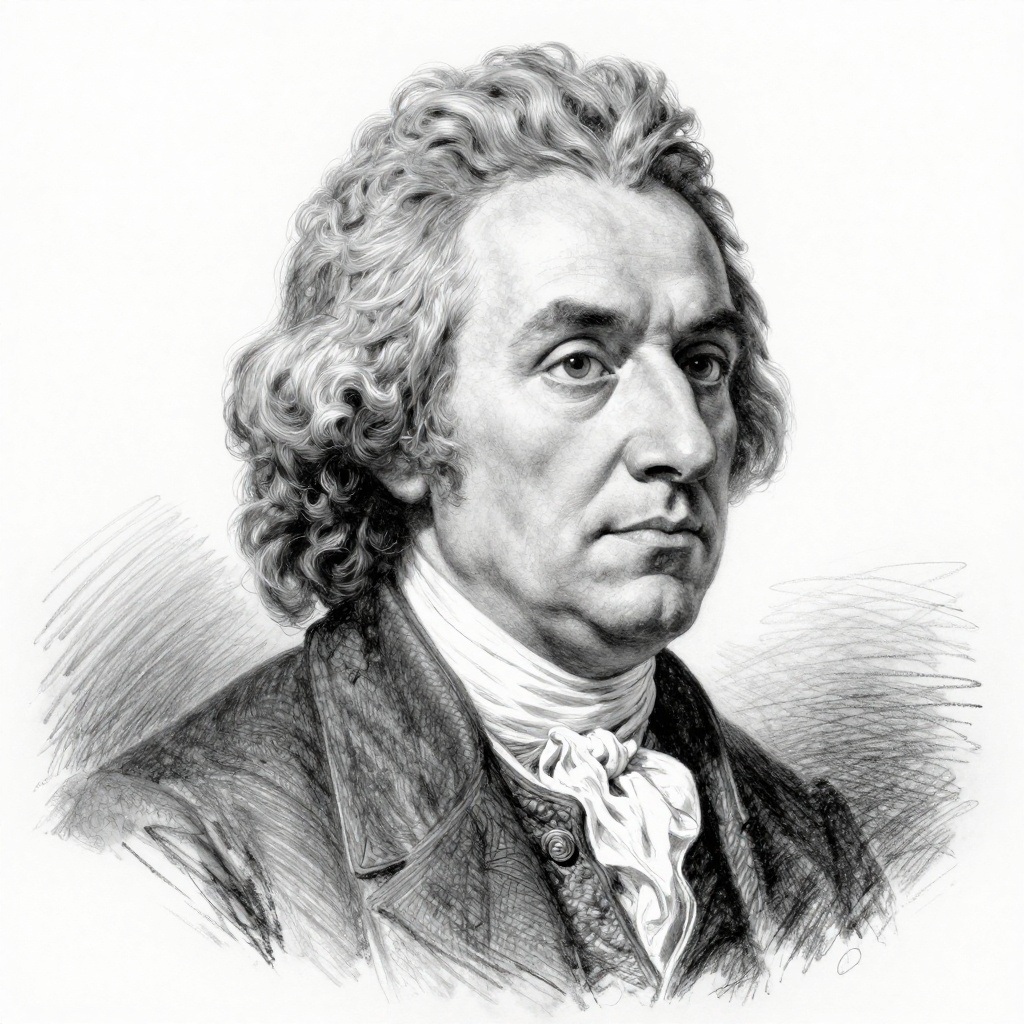
Tears are the silent language of grief. — Voltaire

Tears are the silent language of grief.

Author: Voltaire

Insight: When someone's hurting too much for words, tears often say what language can't. We live in a culture obsessed with articulation—we're told to "use your words," to communicate clearly, to express ourselves. But grief doesn't work that way. Sometimes the deepest pain arrives when you're sitting alone or standing in a crowded room, and nothing verbal seems adequate. Your body just releases what your mouth can't organize into sentences. What's interesting is how we've learned to distrust this. Tears get coded as weakness or loss of control, especially for men, when they're actually one of our most honest forms of expression. A crying person is telling you something real in that moment—not a rehearsed version filtered through social acceptability or whatever they think you want to hear. The silence matters too. Grief often needs space, not explanation. This doesn't mean you should never talk about loss. But recognizing tears as their own legitimate language means sometimes you just sit with someone who's crying. You don't rush them to "feel better" or demand they explain exactly what they're grieving. The tears are already doing the work of saying what matters most: this hurts, and it's real.

Source: In Dictionnaire philosophique, 1764

When words fail, tears speak truth

Tears are the silent language of grief.

VoltaireIn Dictionnaire philosophique, 1764

When someone's hurting too much for words, tears often say what language can't. We live in a culture obsessed with articulation—we're told to "use your words," to communicate clearly, to express ourselves. But grief doesn't work that way. Sometimes the deepest pain arrives when you're sitting alone or standing in a crowded room, and nothing verbal seems adequate. Your body just releases what your mouth can't organize into sentences.

What's interesting is how we've learned to distrust this. Tears get coded as weakness or loss of control, especially for men, when they're actually one of our most honest forms of expression. A crying person is telling you something real in that moment—not a rehearsed version filtered through social acceptability or whatever they think you want to hear. The silence matters too. Grief often needs space, not explanation.

This doesn't mean you should never talk about loss. But recognizing tears as their own legitimate language means sometimes you just sit with someone who's crying. You don't rush them to "feel better" or demand they explain exactly what they're grieving. The tears are already doing the work of saying what matters most: this hurts, and it's real.

AI generated

Comments

Sign in to leave a comment or reply to one.

Sign in

Voltaire

Voltaire was an influential French philosopher, writer, and historian of the Enlightenment period. He is known for his wit, intelligence, and advocacy for freedom of speech, freedom of religion, and separation of church and state. Voltaire's works, including "Candide" and numerous essays, have had a lasting impact on literature and philosophy.

Graph

Related