Quote · Added 14 February 2026
Perfection is attained by slow degrees; it requires the hand of time.
VoltairePhilosophical Dictionary, 1764
Filed underperfection·growth·patience
Quote · Added 14 February 2026
Filed underperfection·growth·patience
We live in a culture obsessed with overnight success stories and instant transformation. Yet most of what actually matters in life unfolds slowly—a skill develops through years of practice, a friendship deepens through accumulated moments, a career builds through countless small decisions. This quote reminds us that the timeline of real improvement isn't compatible with our impatience.
The tricky part is that slow progress feels invisible while you're living it. You don't wake up fluent in a language or suddenly wise. Each day's work seems negligible, which is why people abandon projects before the compounding effect kicks in. But there's something freeing about accepting this truth: if perfection genuinely requires time, then struggling today doesn't mean you're failing—it means you're exactly where you should be.
The deeper insight is that accepting slowness actually speeds things up psychologically. When you stop expecting instant results, you stop abandoning efforts prematurely. You settle in. You show up consistently without the crushing disappointment of unmet expectations. The hand of time becomes your ally rather than your enemy, and paradoxically, that's when real progress accelerates.
1694–1778·lived 83 years
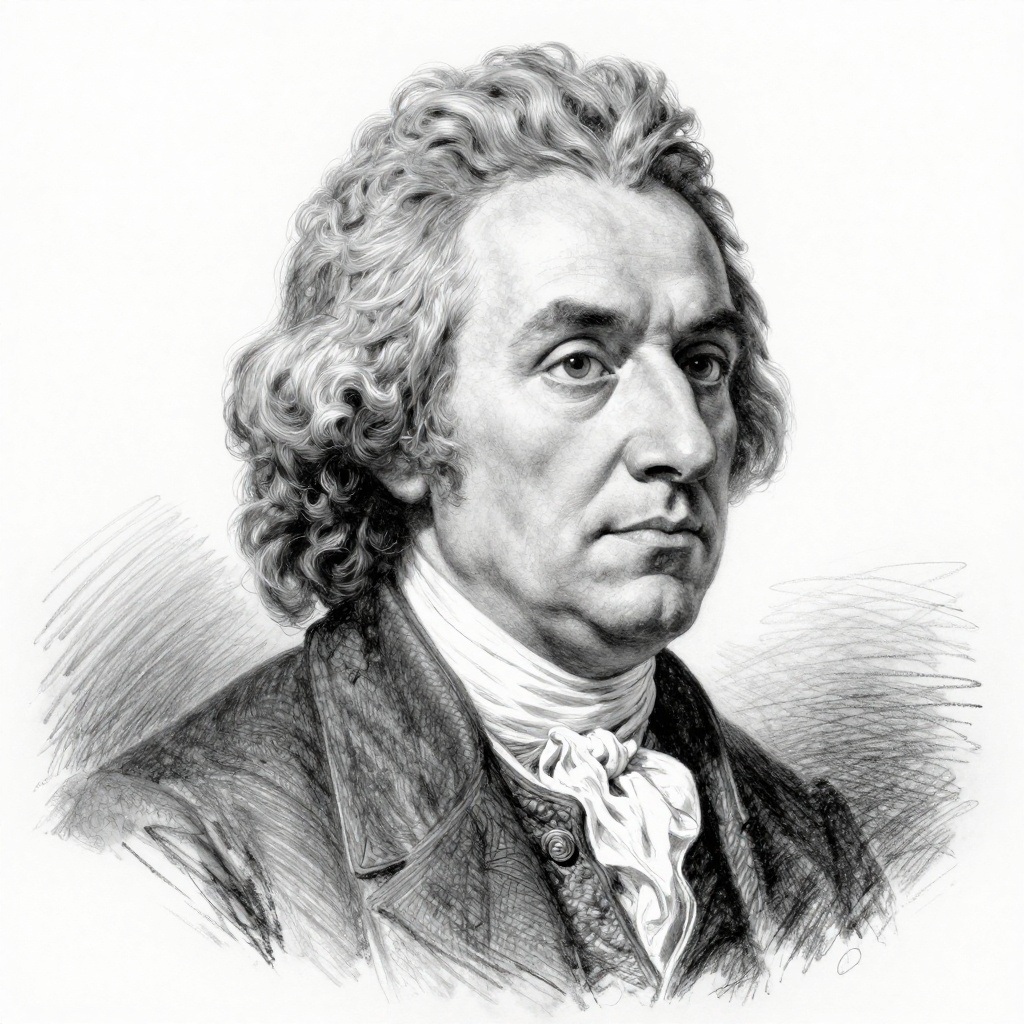
Voltaire was an influential French philosopher, writer, and historian of the Enlightenment period. He is known for his wit, intelligence, and advocacy for freedom of speech, freedom of religion, and separation of church and state. Voltaire's works, including "Candide" and numerous essays, have had a lasting impact on literature and philosophy.
Comments