Quote · Added 14 June 2024
Opinions have caused more ills than the plague or earthquakes on this little globe of ours.
VoltaireLetter to Élie Bertrand, 5 Jan 1759
Quote · Added 14 June 2024
We live in an age where everyone's opinion feels urgent and worth broadcasting immediately. But Voltaire's jab hits at something real: the stubborn certainty we attach to our views can genuinely damage relationships, communities, and our own peace of mind. We've all watched a casual dinner conversation collapse because someone decided their take on politics or parenting was worth defending to the bitter end. What started as a difference of perspective becomes personal, becomes tribal, becomes the thing you can't let go of for weeks.
The tricky part is that Voltaire isn't saying we shouldn't have thoughts or beliefs. He's pointing out that it's our attachment to being right—our insistence that our opinion matters more than the person across from us—that creates the real harm. A plague or earthquake is destructive but random; opinions are worse because we choose them, defend them, and sometimes burn everything down in the process. The non-obvious bit: the people with the strongest opinions are often the most certain they're just "telling the truth" rather than performing ego.
The antidote isn't to stop thinking. It's to notice when your opinion has shifted from something you believe to something you need to win.
1694–1778·lived 83 years
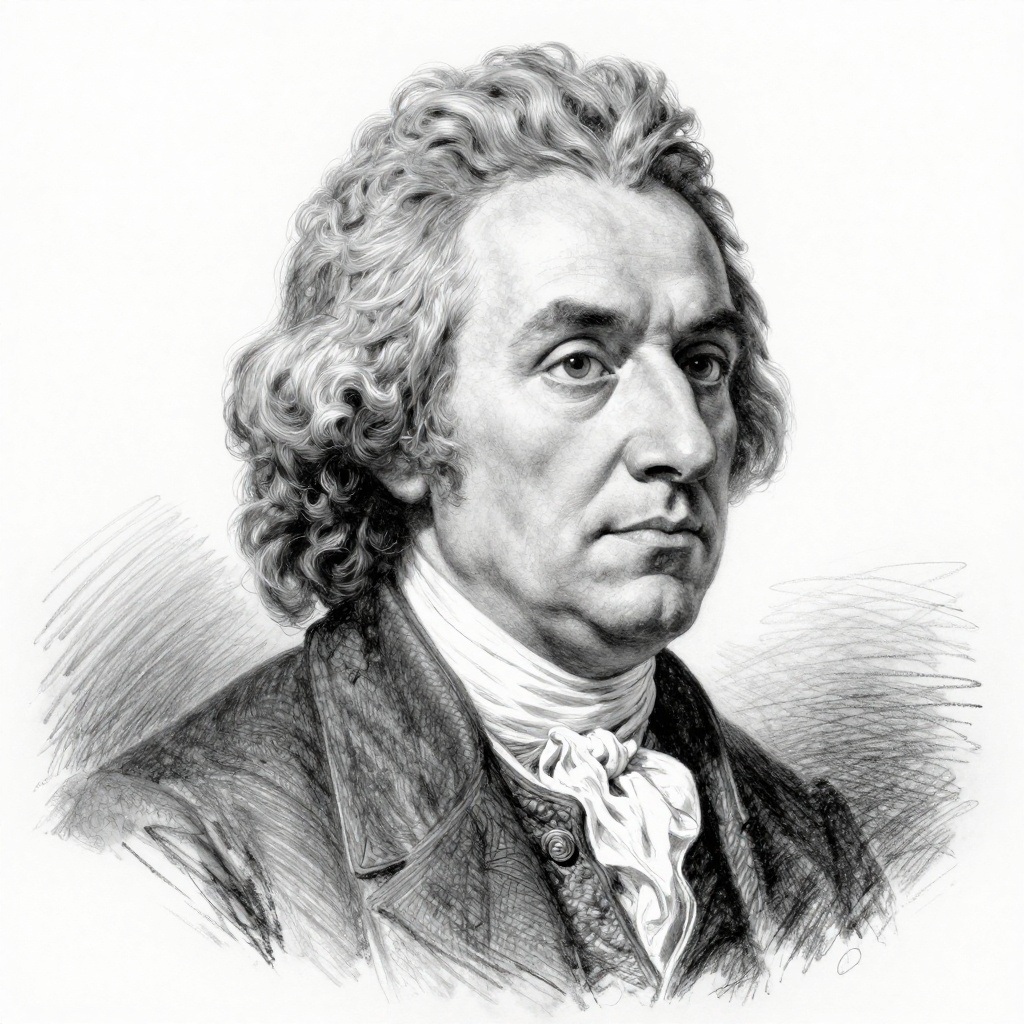
Voltaire was an influential French philosopher, writer, and historian of the Enlightenment period. He is known for his wit, intelligence, and advocacy for freedom of speech, freedom of religion, and separation of church and state. Voltaire's works, including "Candide" and numerous essays, have had a lasting impact on literature and philosophy.
Comments