Quote · Added 14 February 2026
Opinion has caused more trouble on this little earth than plagues or earthquakes.
VoltairePhilosophical Dictionary, 1764
Quote · Added 14 February 2026
We live in an age where everyone broadcasts their opinions instantly and globally. What Voltaire noticed centuries ago—that rigid belief-holding sparks conflict—has only accelerated. The difference now is that our disagreements aren't confined to town squares or dinner tables. They sprawl across feeds and comment sections, crystallizing into something harder to back away from.
The surprising part is that Voltaire wasn't arguing against having thoughts or preferences. He was pointing at something more specific: the moment when an opinion hardens into certainty, when we stop treating it as "here's what I think" and start treating it as "here's the truth everyone else refuses to see." That shift—from opinion to ideology—is where the real damage begins. It's the difference between debating which policy might work better and declaring that anyone who disagrees is morally corrupt.
What makes this quote still sting is recognizing it in ourselves. We're all guilty of it sometimes: the satisfaction of being right, the defensiveness when questioned, the way we collect evidence that supports what we already believe. Plagues and earthquakes are random. But opinions? Those we choose to defend, often at great cost to ourselves and others.
1694–1778·lived 83 years
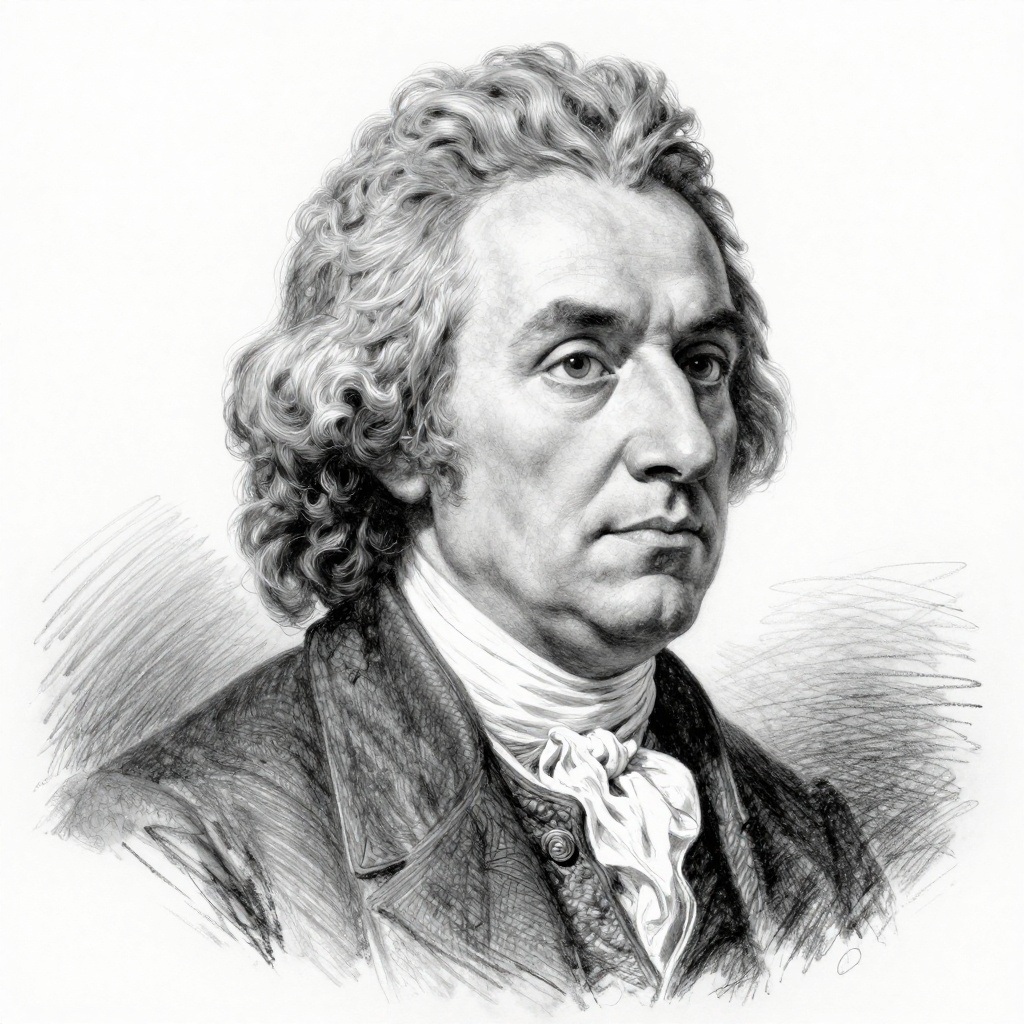
Voltaire was an influential French philosopher, writer, and historian of the Enlightenment period. He is known for his wit, intelligence, and advocacy for freedom of speech, freedom of religion, and separation of church and state. Voltaire's works, including "Candide" and numerous essays, have had a lasting impact on literature and philosophy.
Comments