Quote · Added 19 February 2026
Explore
Reading
AI generatedWhen you're angry, choose wisely
There's a moment we all recognize: someone's upset with you, tensions are high, and you feel that temptation to land one final cutting remark. It would feel satisfying for about three seconds. Voltaire's deathbed quip—apparently said when a priest asked him to renounce Satan—captures something we forget when we're annoyed: the person you're arguing with today might matter to you tomorrow, or the day after that, or years from now.
The sneaky part is that we usually don't think of ourselves as "making enemies." We think we're just being honest, or setting a boundary, or telling someone what we really think. But there's a difference between standing firm and pouring gasoline on the fire. A cutting joke lands hard. A contemptuous tone sticks around longer than the actual disagreement. These small escalations accumulate until what started as a difference becomes something personal.
This matters less in a world where you never see someone again, but most of us live in overlapping circles—family, work, neighborhoods, communities. The person you're frustrated with might be someone you share space with for years. Voltaire's suggesting something radical for an argument: maybe winning isn't the point. Maybe the actual win is keeping the door slightly open.
The author
All 85 quotes by Voltaire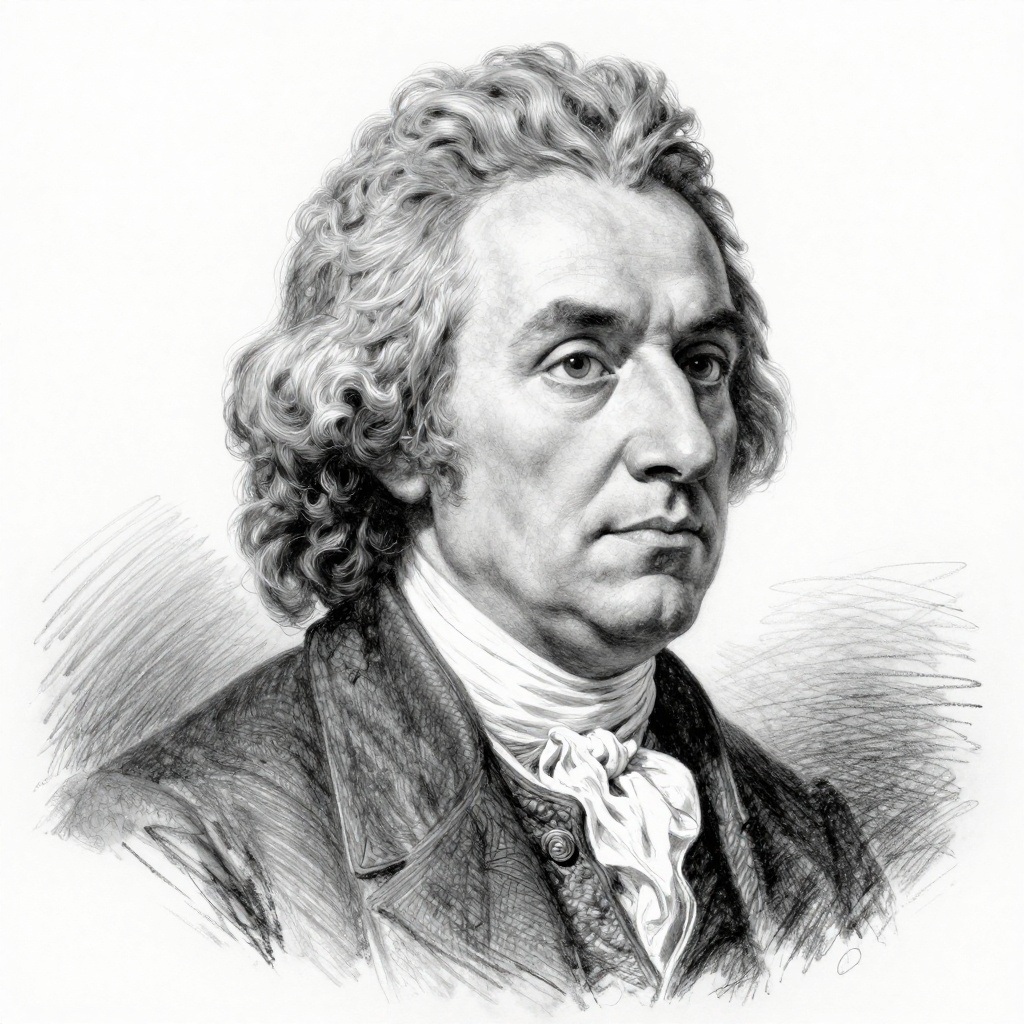
Voltaire
1694–1778·lived 83 years
Voltaire was an influential French philosopher, writer, and historian of the Enlightenment period. He is known for his wit, intelligence, and advocacy for freedom of speech, freedom of religion, and separation of church and state. Voltaire's works, including "Candide" and numerous essays, have had a lasting impact on literature and philosophy.
Comments