Quote · Added 14 February 2026
Man is free at the moment he wishes to be.
VoltairePhilosophical Dictionary, 1764
Quote · Added 14 February 2026
We often think of freedom as something we either have or don't have—a fixed condition determined by our circumstances. But there's something quietly radical in the idea that freedom is mostly a choice you make. Not the freedom to change your situation instantly, but the freedom to stop letting your situation control how you think and feel about yourself.
Consider how often we postpone living. We tell ourselves we'll feel free once we get the promotion, leave the relationship, move to a new city, or reach some other invisible finish line. Yet people in genuinely constrained circumstances—prisoners, patients, people in difficult jobs—sometimes report feeling more internally free than those with all the external advantages. The difference often comes down to one thing: deciding that your mind, your choices about what matters, and how you respond to what happens, belong to you right now. Not tomorrow. Not when conditions are perfect.
The tricky part is that this isn't positive thinking magic. Real obstacles exist. But Voltaire points to something observable: the moment you stop waiting for permission or perfect conditions to claim your own thinking, something shifts. Freedom isn't just a destination you arrive at someday. It's a willingness you activate. And that willingness is available to you whenever you actually want it.
1694–1778·lived 83 years
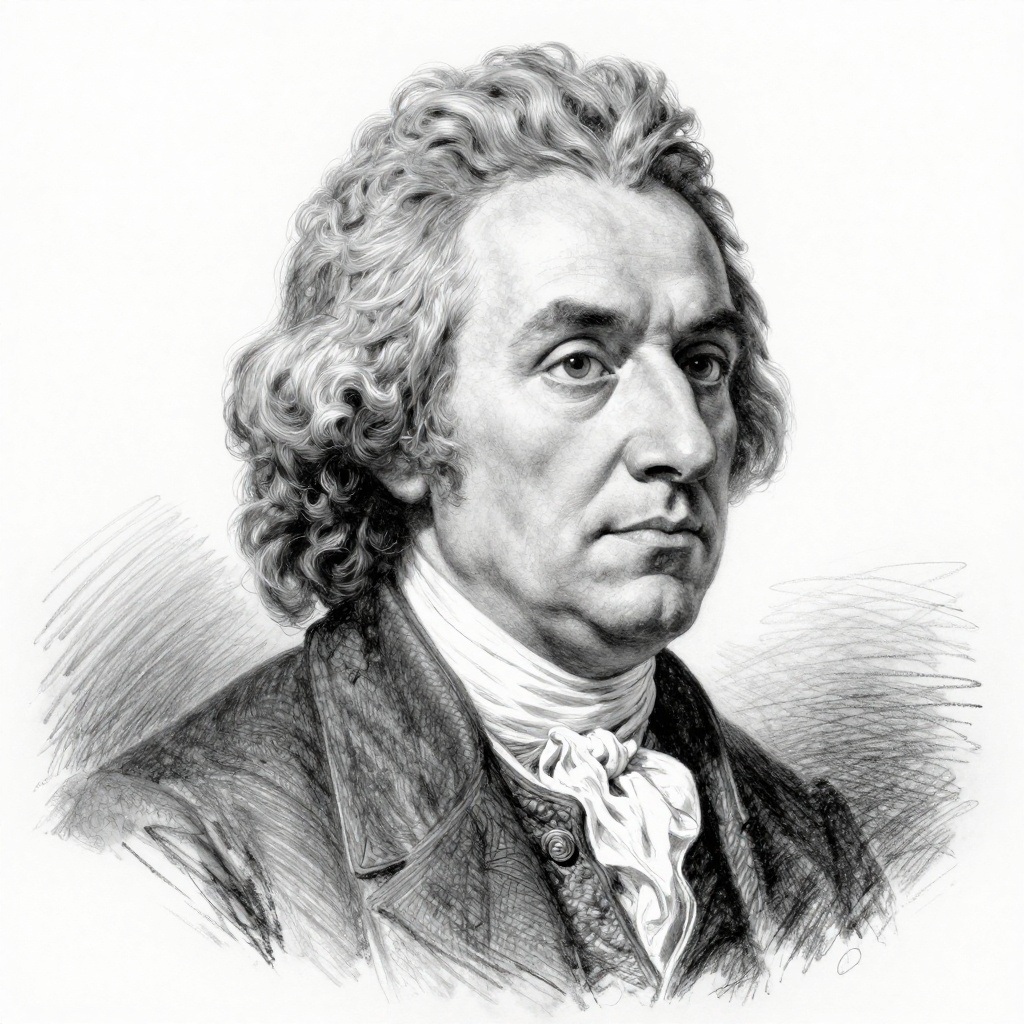
Voltaire was an influential French philosopher, writer, and historian of the Enlightenment period. He is known for his wit, intelligence, and advocacy for freedom of speech, freedom of religion, and separation of church and state. Voltaire's works, including "Candide" and numerous essays, have had a lasting impact on literature and philosophy.
Comments