Quote · Added 4 March 2026
Man is free at the instant he wants to be.
Filed underfreedom·choice·individuality
Quote · Added 4 March 2026
Filed underfreedom·choice·individuality
There's something almost unsettling about this quote because it suggests freedom isn't something you need to wait for—it's available right now, the moment you genuinely decide to want it. Most of us treat freedom like a distant achievement, something that'll happen once we finish school, leave a bad job, or get out of a difficult relationship. Voltaire's pointing at something sharper: the real barrier isn't usually circumstance. It's that we don't actually want freedom badly enough to claim it.
This shows up in small ways constantly. You stay in a conversation you hate because part of you prefers the comfort of obligation to the uncertainty of leaving. You keep scrolling instead of starting the thing you said you'd do because freedom feels scarier than distraction. Even in genuinely constrained situations, there's usually some freedom available—a choice in how you respond, what you decide to think about, where you direct your energy—but claiming it requires admitting you have more agency than you've been using.
The non-obvious part: sometimes we mistake "waiting for the right conditions" for wisdom, when it's actually just avoidance with better branding. That doesn't mean freedom is easy or that every situation is equally open. It means the first real barrier is almost always internal—deciding that you want something enough to start moving toward it today.
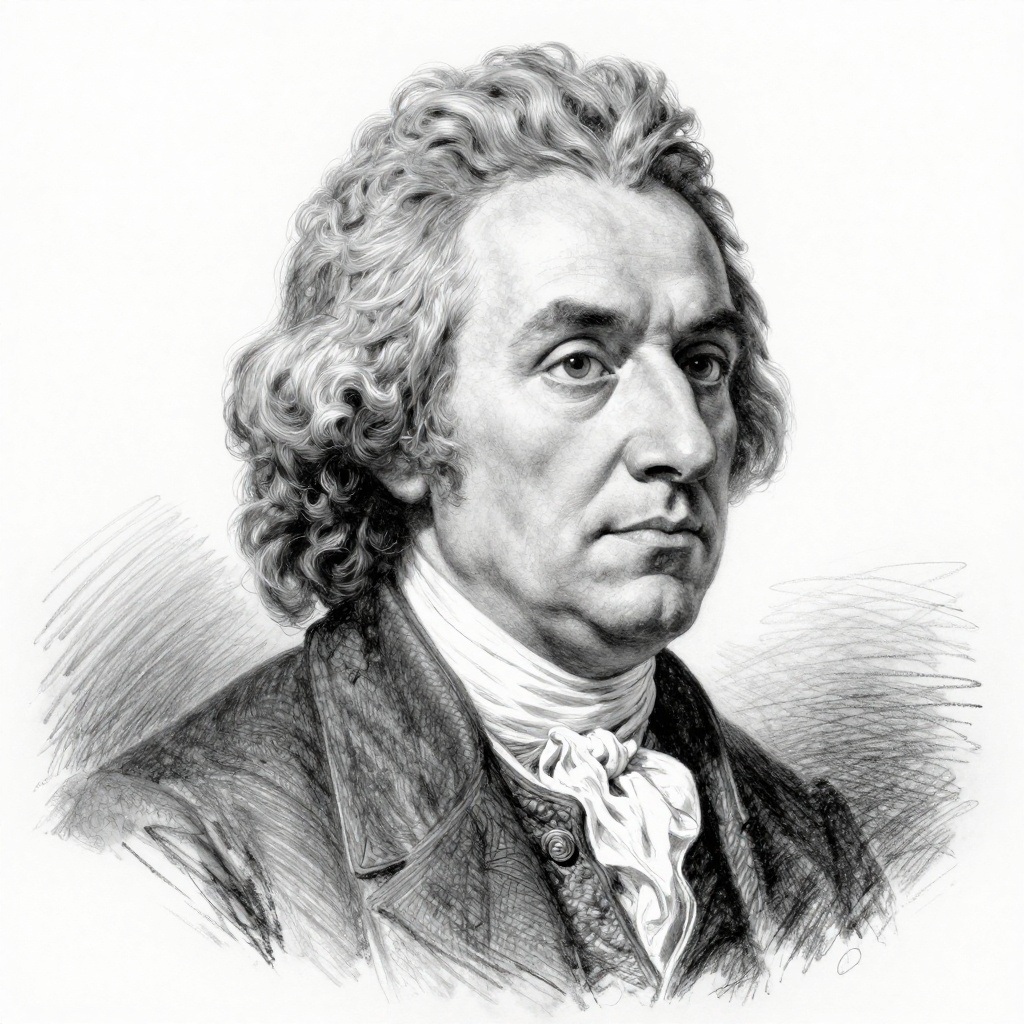
1694–1778·lived 83 years
Voltaire was an influential French philosopher, writer, and historian of the Enlightenment period. He is known for his wit, intelligence, and advocacy for freedom of speech, freedom of religion, and separation of church and state. Voltaire's works, including "Candide" and numerous essays, have had a lasting impact on literature and philosophy.
Comments