Quote · Added 14 February 2026
Let us work without theorizing, tis the only way to make life endurable.
VoltairePhilosophical Dictionary, 1764
Filed underwork·pragmatism·endurance
Quote · Added 14 February 2026
Filed underwork·pragmatism·endurance
There's something almost rebellious about Voltaire's advice here, especially when we live in an age of endless analysis. We've turned thinking about our problems into its own full-time job—reading self-help books, parsing our feelings in therapy, scrolling through frameworks and advice that promise to unlock the "why" behind everything. But Voltaire isn't anti-thought. He's saying that at some point, all that theorizing becomes a comfortable substitute for actually doing anything.
The insight lands differently when you recognize how much mental energy goes into avoiding work through planning. We research the perfect diet instead of changing what we eat. We outline the novel instead of writing it. We discuss how we should be living while months slip past. There's a paralysis that comes from believing we need to understand everything before we begin, that we need the right theory, the right approach, the right moment of clarity.
What Voltaire spotted is that life becomes bearable not through perfect understanding but through momentum. Work—whether it's small, imperfect, or uncertain—creates a sense of agency that overthinking never will. The act of doing something, anything, in the direction you care about shifts you from spectator to participant. Sometimes you learn what you need to know only by starting, by working, by letting the doing teach you what the theorizing never could.
1694–1778·lived 83 years
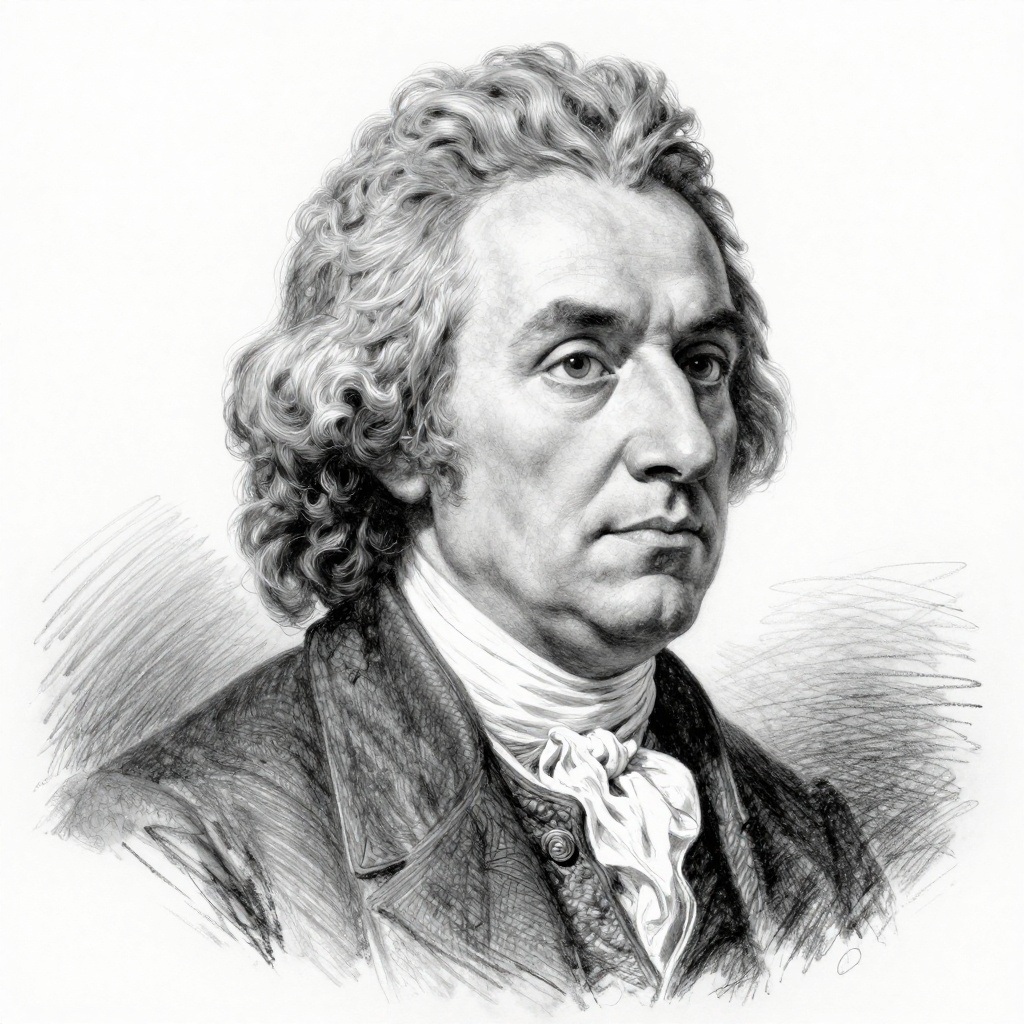
Voltaire was an influential French philosopher, writer, and historian of the Enlightenment period. He is known for his wit, intelligence, and advocacy for freedom of speech, freedom of religion, and separation of church and state. Voltaire's works, including "Candide" and numerous essays, have had a lasting impact on literature and philosophy.
Comments