Quote · Added 14 February 2026
It is lamentable, that to be a good patriot one must become the enemy of the rest of mankind.
VoltairePhilosophical Dictionary, 1764
Filed underpatriotism·conflict·humanity
Quote · Added 14 February 2026
Filed underpatriotism·conflict·humanity
We live in an age where loyalty to your own group feels increasingly at odds with compassion for everyone else. Root for your country's interests too hard, and you're accused of indifference to global suffering. Care deeply about other nations' problems, and you're seen as unpatriotic. Voltaire's observation cuts right to this impossible tension—one that hasn't gotten easier in the centuries since he wrote it.
The tricky part is that he's not entirely wrong. Resources are finite. Borders exist. Governments do have to make choices that benefit some people over others. A leader who prioritizes their citizens' welfare over distant strangers isn't usually seen as evil—it's expected. Yet something unsettling happens when we take this logic to its extreme: our "us versus them" thinking becomes so hardwired that we stop seeing common humanity across lines at all.
The real insight isn't that patriotism requires hatred, but that we're lazy about the distinction. We confuse "prioritizing my community" with "dismissing theirs." Voltaire was really lamenting that weakness—the human tendency to make loyalty tribal rather than thoughtful. The challenge isn't choosing between being patriotic and being humane. It's refusing the false choice between them.
1694–1778·lived 83 years
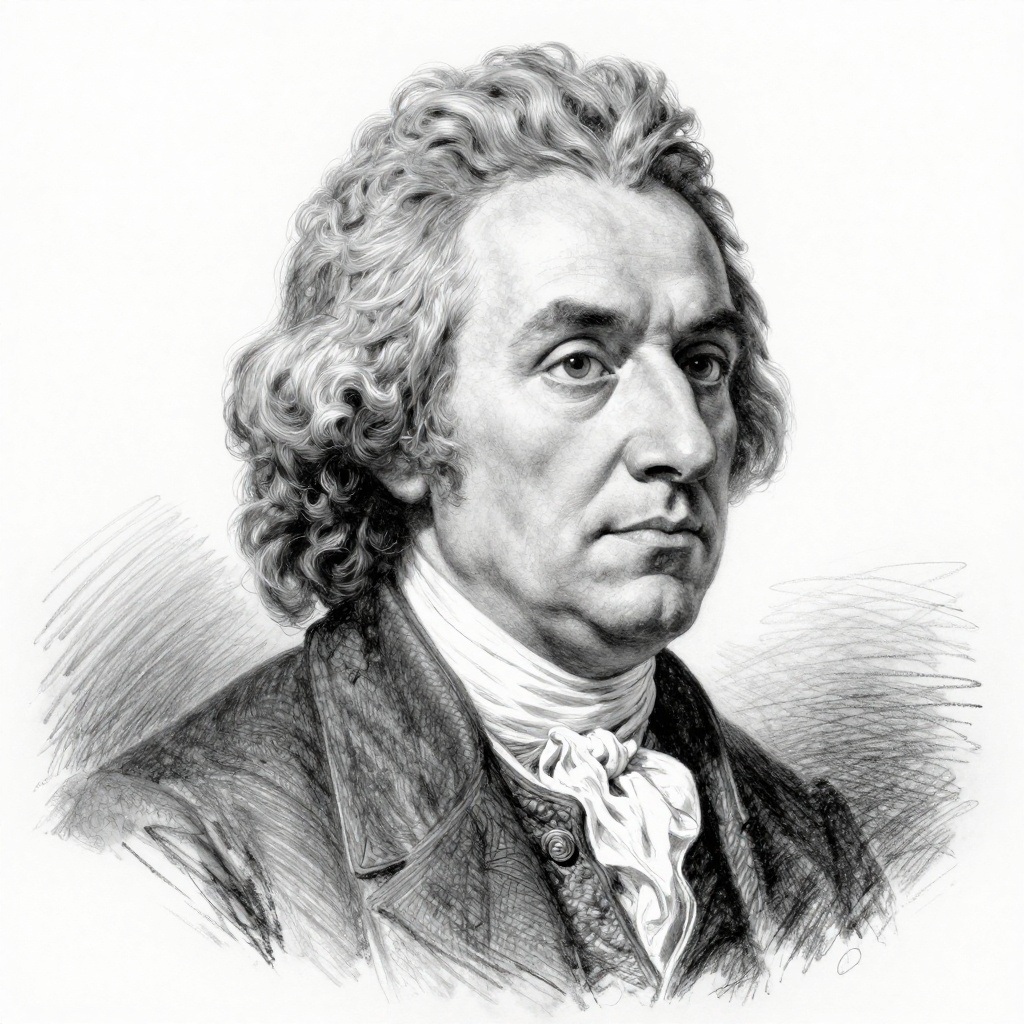
Voltaire was an influential French philosopher, writer, and historian of the Enlightenment period. He is known for his wit, intelligence, and advocacy for freedom of speech, freedom of religion, and separation of church and state. Voltaire's works, including "Candide" and numerous essays, have had a lasting impact on literature and philosophy.
Comments