Quote · Added 14 February 2026
In general, the art of government consists of taking as much money as possible from one class of citizens to give to another.
Filed undergovernment·economy·class
Quote · Added 14 February 2026
Filed undergovernment·economy·class
Most of us think politics should be about big ideals—justice, freedom, the common good. But Voltaire's jab cuts through that pretty quickly. He's saying if you actually watch what governments do rather than what they say they do, you'll notice a lot of wealth moving from one pocket to another. Taxes go up on some people, benefits flow to others, regulations favor certain industries over competitors. The machinery of government, he's suggesting, often runs on this basic transaction.
The tricky part is that this isn't necessarily cynical—it's just how power works when it touches money. Every time a government makes a choice about tax brackets, farm subsidies, or who gets a contract, someone gains and someone loses. The question isn't whether this happens, but whether it's happening transparently and fairly. Are we taking from the wealthy to help the struggling? From the healthy to care for the sick? Or are we watching the wealthy and connected funnel public resources back to themselves?
What makes Voltaire's observation still sharp is that it stops us from being naive. We can debate whether redistribution is good policy, but we shouldn't pretend it isn't what's actually happening. Good government isn't about avoiding this game—it's about playing it honestly and knowing who's keeping score.
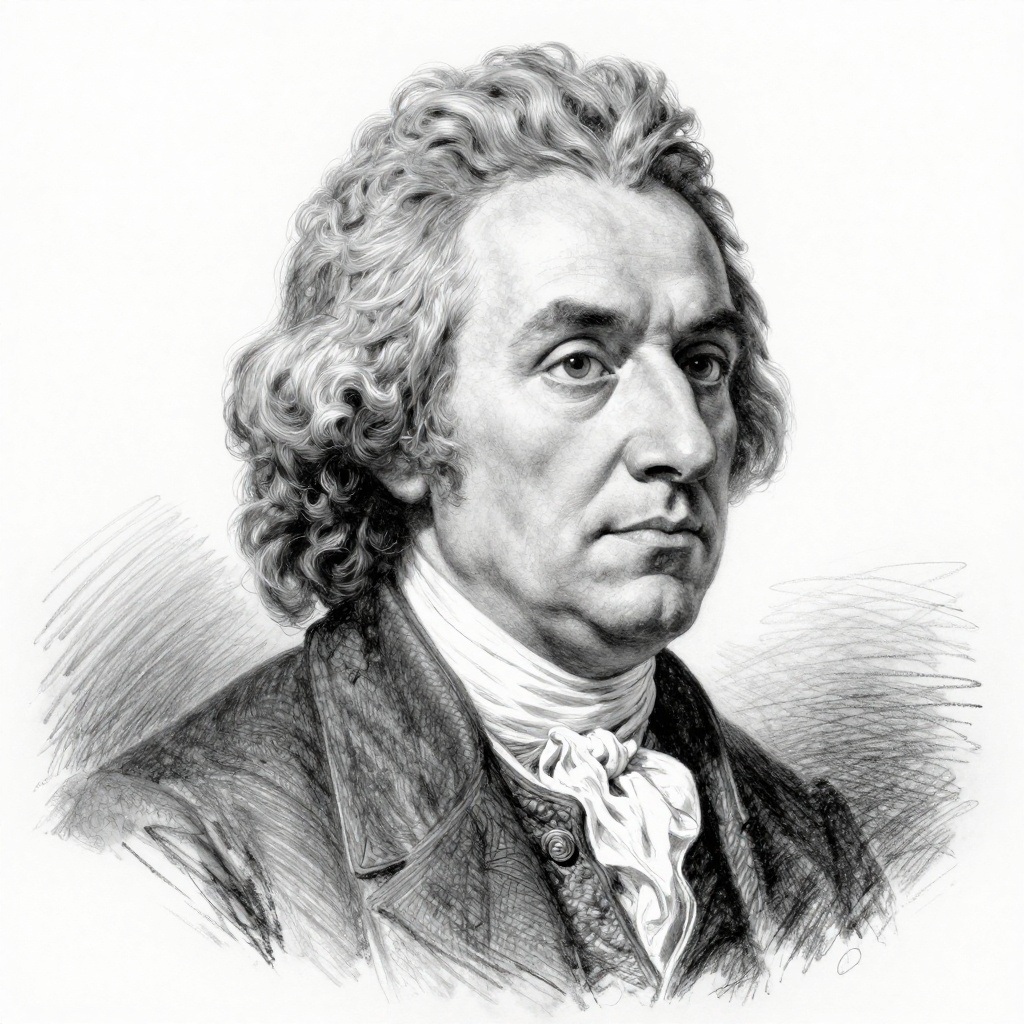
1694–1778·lived 83 years
Voltaire was an influential French philosopher, writer, and historian of the Enlightenment period. He is known for his wit, intelligence, and advocacy for freedom of speech, freedom of religion, and separation of church and state. Voltaire's works, including "Candide" and numerous essays, have had a lasting impact on literature and philosophy.
Comments