Quote · Added 19 February 2026
Explore
Reading
AI generatedThe Middleman Problem
We tend to think that institutions exist to serve their purpose better—that churches make faith stronger, that schools make us more educated. But Voltaire's jab suggests something more unsettling: sometimes the middleman gets in the way. When religion becomes filtered through hierarchies, rules, and people claiming special access to the divine, it can feel less like genuine faith and more like obedience to an authority.
The tension he's pointing at still shows up everywhere. Think about how you relate to things you're supposed to care about: if someone constantly tells you what to believe and punishes you for questioning it, do you end up believing more deeply—or do you start resenting the whole thing? Direct experience tends to create conviction. Inherited doctrine backed by institutional pressure tends to create compliance, which feels like belief until the moment you're alone with your actual thoughts.
This doesn't mean organized religion is pointless; it means the gap between authentic conviction and official doctrine is real and worth noticing. The most fervent believers in most traditions often describe moments of connection that happened outside formal practice—quiet, personal, sometimes even rebellious. Maybe that's what Voltaire knew: institutions can protect and spread ideas, but they can also calcify them into something unrecognizable.
The author
All 85 quotes by Voltaire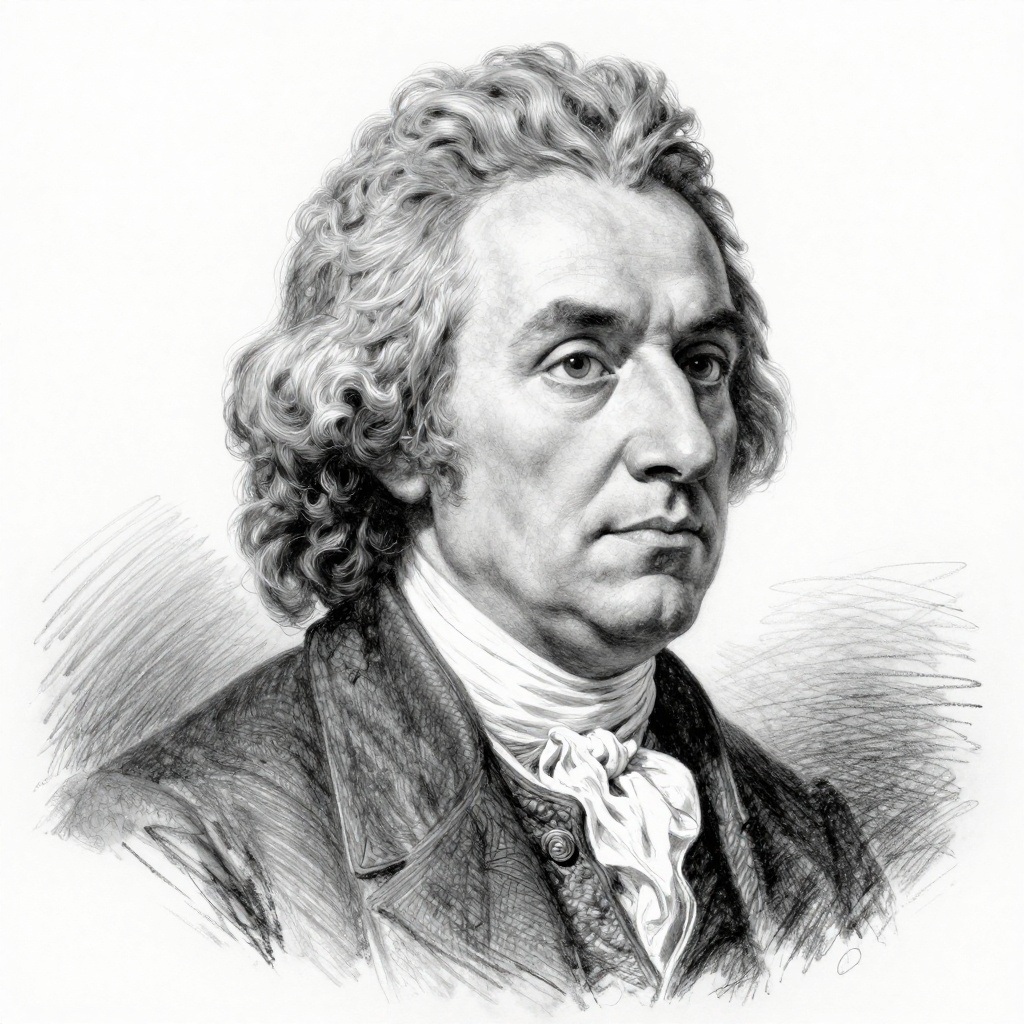
Voltaire
1694–1778·lived 83 years
Voltaire was an influential French philosopher, writer, and historian of the Enlightenment period. He is known for his wit, intelligence, and advocacy for freedom of speech, freedom of religion, and separation of church and state. Voltaire's works, including "Candide" and numerous essays, have had a lasting impact on literature and philosophy.
Comments