Quote · Added 14 February 2026
Ice-cream is exquisite - what a pity it isn't illegal.
VoltaireThe Philosophical Dictionary, 1764
Quote · Added 14 February 2026
We all know the feeling of that first spoonful hitting just right—a small, perfect pleasure that seems almost too good to be allowed. Voltaire's joke works because it captures something true: the best things often feel like they shouldn't be permitted, not because they're dangerous, but because they seem to violate some unspoken rule about how good life is supposed to get. We're wired to expect consequences for joy, to assume that if something tastes this good, it must be doing something wrong.
But there's something deeper here about how we relate to pleasure itself. We're often more comfortable with things that carry a whiff of transgression—we enjoy them more when we think we shouldn't. It's why the forbidden apple tastes better than the permitted one, and why a guilty pleasure feels guiltier, and therefore more pleasurable. The joke suggests that our enjoyment isn't really about ice cream at all; it's about the narrative we're telling ourselves about whether we deserve it.
What Voltaire hints at is that we've made it surprisingly hard to simply enjoy something good without manufacturing a reason to feel conflicted about it. The real luxury isn't the ice cream—it's the ability to eat it without the running commentary in your head about whether you should.
1694–1778·lived 83 years
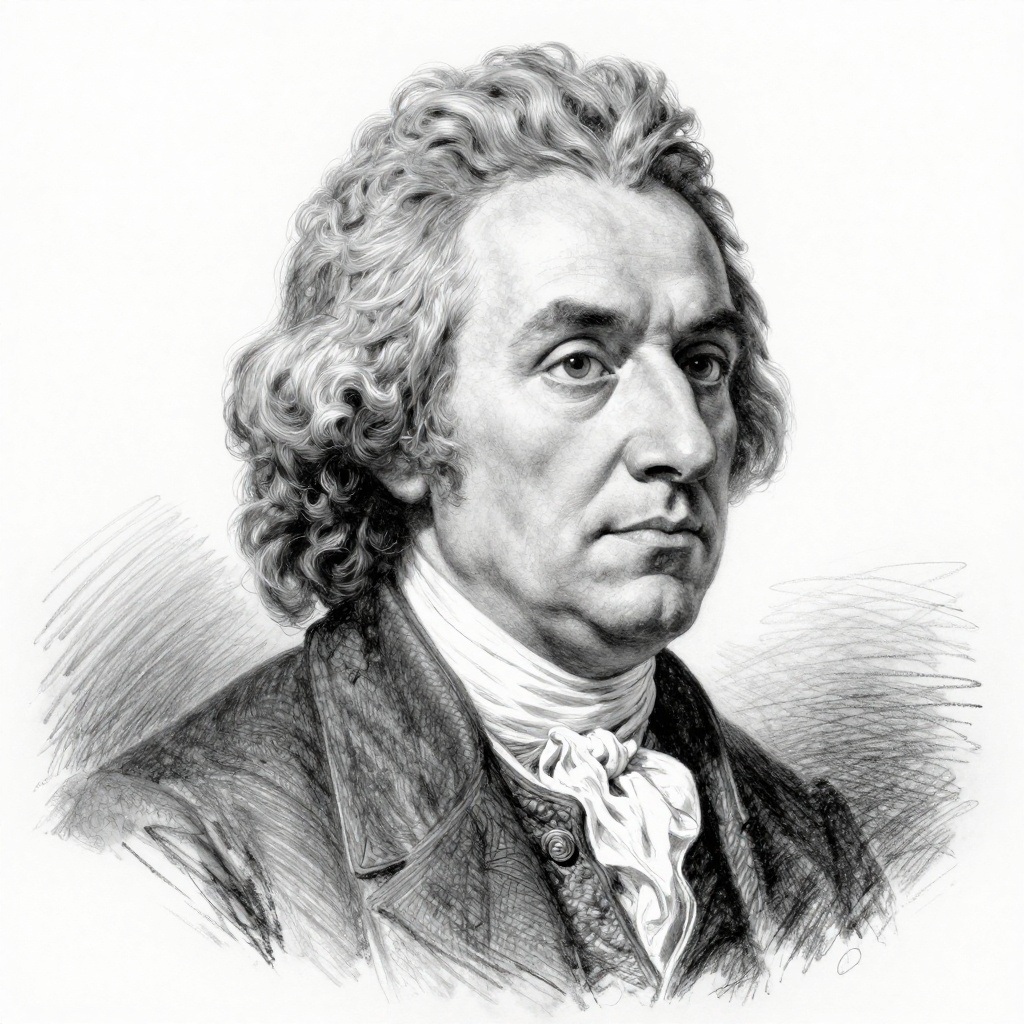
Voltaire was an influential French philosopher, writer, and historian of the Enlightenment period. He is known for his wit, intelligence, and advocacy for freedom of speech, freedom of religion, and separation of church and state. Voltaire's works, including "Candide" and numerous essays, have had a lasting impact on literature and philosophy.
Comments