Quote · Added 14 February 2026
Everything's fine today, that is our illusion.
Filed underillusion·perception·reality
Quote · Added 14 February 2026
Filed underillusion·perception·reality
We live in a strange bargain with uncertainty. Every morning feels stable—the coffee tastes the same, the commute follows its route, our people are where we expect them to be. This surface steadiness is partly real and partly a trick our minds play to keep us functional. Without the illusion that everything's fine, we'd be paralyzed by all the ways things could unravel: a health scare, a job loss, a relationship shift, the broader chaos we mostly don't think about.
Voltaire's point isn't to make you paranoid. It's that our comfort depends on not staring too hard at fragility. The problem arises when we treat today's okayness as a permanent condition rather than a temporary arrangement. People who recognize this—who hold their stability lightly while still showing up to their lives—tend to make better decisions. They save, they nurture relationships, they stay curious rather than complacent. They understand that the illusion of fine-ness is useful, even necessary, but not a substitute for actually paying attention.
The people who crash hardest are often those most shocked when things shift, as if stability was something they were owed rather than something they got lucky enough to experience today.
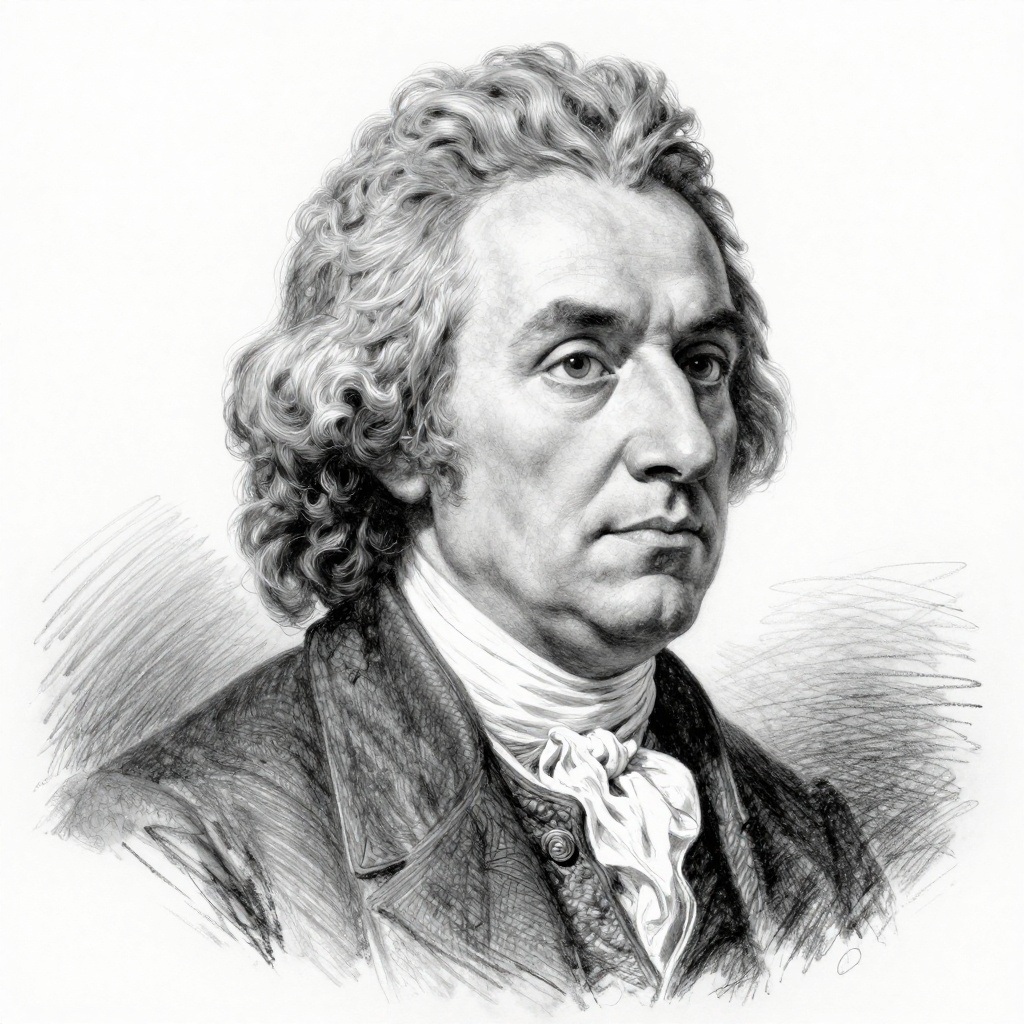
1694–1778·lived 83 years
Voltaire was an influential French philosopher, writer, and historian of the Enlightenment period. He is known for his wit, intelligence, and advocacy for freedom of speech, freedom of religion, and separation of church and state. Voltaire's works, including "Candide" and numerous essays, have had a lasting impact on literature and philosophy.
Comments