Quote · Added 5 July 2024
Every man is guilty of all the good he did not do.
VoltaireLe Siècle de Louis XIV, ch. VI, 1752
Filed underguilt·responsibility·action
Quote · Added 5 July 2024
Filed underguilt·responsibility·action
There's something uncomfortable about this idea, and that's probably why it lingers. Most of us think of guilt as something we earn through active wrongdoing—the lie we told, the person we hurt, the deadline we missed. But Voltaire is pointing at a different kind of guilt: the one we carry for potential good that simply never happened. It's the friend you meant to call but didn't, the volunteer shift you considered but skipped, the honest feedback you stayed quiet about.
The real weight of this isn't meant to crush you with impossible standards. It's a mirror held up to choice itself. We live as though our inactions are neutral, harmless even. But every day we're surrounded by small opportunities to matter—to speak up, to show up, to help—and we pass them by. Not because we're deliberately cruel, but because it's easier, or we're tired, or we didn't think it was our responsibility.
What makes this stick with modern life is that we're more aware than ever of what we could do. Social media shows us endless needs. We know about the crisis across the world and the struggle next door. So there's this accumulating background hum of things undone. Voltaire isn't saying you're a bad person. He's saying that freedom comes with weight, and part of becoming someone you actually respect is feeling that weight, and sometimes choosing to act anyway.
1694–1778·lived 83 years
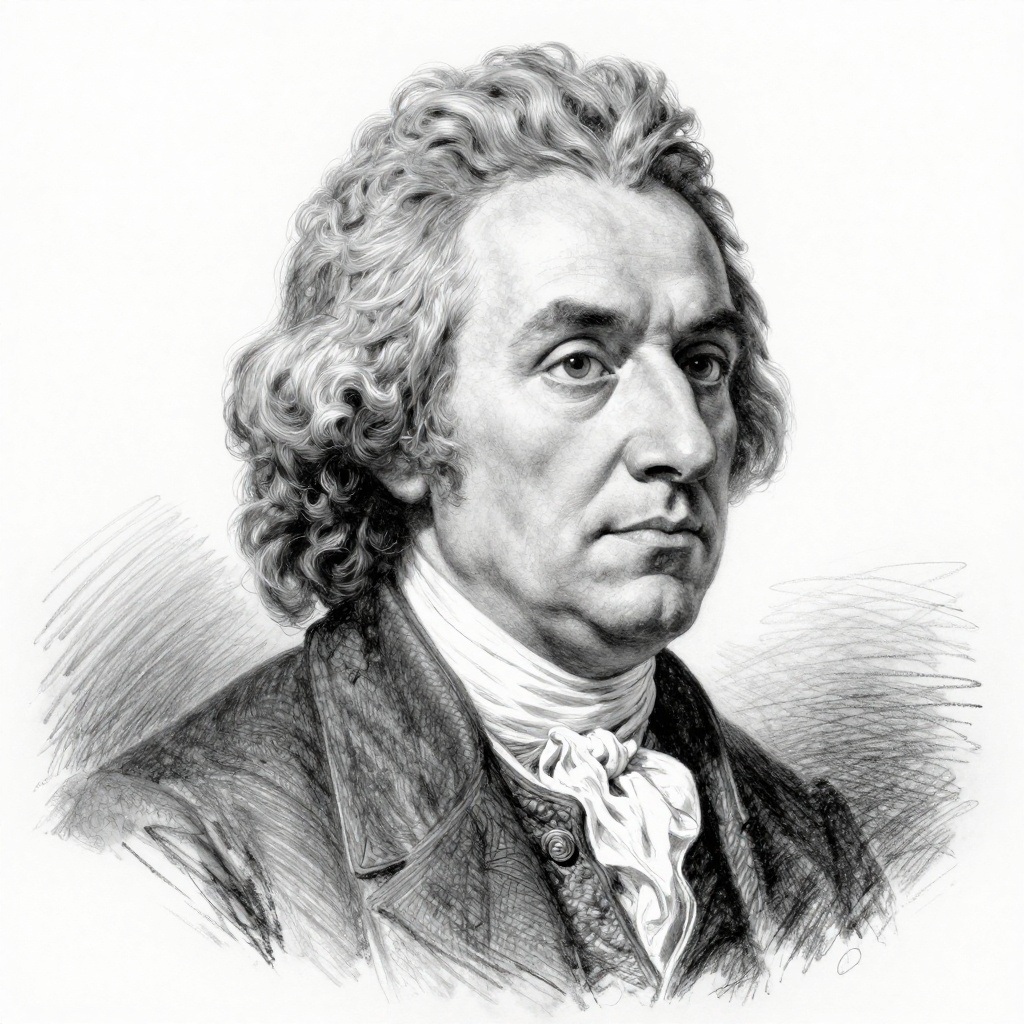
Voltaire was an influential French philosopher, writer, and historian of the Enlightenment period. He is known for his wit, intelligence, and advocacy for freedom of speech, freedom of religion, and separation of church and state. Voltaire's works, including "Candide" and numerous essays, have had a lasting impact on literature and philosophy.
Comments