Quote · Added 14 February 2026
Doubt is not a pleasant condition, but certainty is absurd.
VoltairePhilosophical Dictionary, 1764
Quote · Added 14 February 2026
We live in an age that seems to reward false confidence. People with strong opinions get the airtime, the followers, the sense of being right. Meanwhile, doubt feels like weakness—something to overcome rather than something worth having. But Voltaire points to something tricky: certainty isn't actually as appealing as it seems.
Think about the people in your life who seem absolutely sure about everything. They're often exhausting. They don't listen well, they don't adjust when new information arrives, and they make decisions with a kind of brittle confidence that falls apart under pressure. Real life is too complicated for total certainty. Markets crash, relationships surprise us, our own bodies do unexpected things. Absolute conviction usually just means you've stopped paying attention.
Doubt, by contrast, keeps you flexible. It makes you ask better questions, admit when you're wrong, and stay curious about possibilities. The discomfort of uncertainty is actually proof that you're thinking clearly about a complicated world. The goal isn't to eliminate doubt—it's to know how to live well inside it, to make decisions and take action even when you can't be completely sure. That balance, somewhere between doubt and paralysis, is actually what wisdom looks like.
1694–1778·lived 83 years
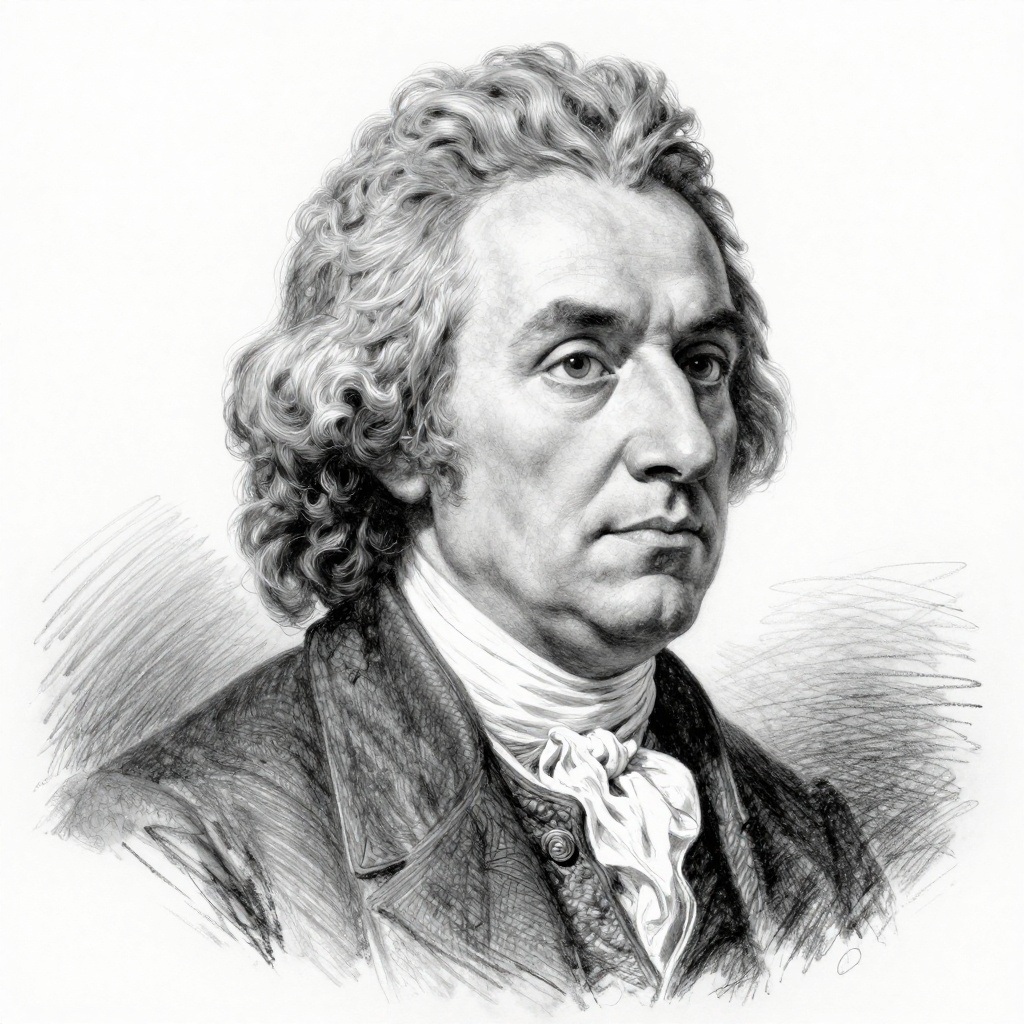
Voltaire was an influential French philosopher, writer, and historian of the Enlightenment period. He is known for his wit, intelligence, and advocacy for freedom of speech, freedom of religion, and separation of church and state. Voltaire's works, including "Candide" and numerous essays, have had a lasting impact on literature and philosophy.
Comments