Quote · Added 14 February 2026
Appreciation is a wonderful thing: It makes what is excellent in others belong to us as well.
VoltairePhilosophical Dictionary, 1764
Filed underappreciation·excellence·belonging
Quote · Added 14 February 2026
Filed underappreciation·excellence·belonging
When you genuinely admire someone's skill, kindness, or talent, something strange happens—you don't just feel good about them, you feel a little bit better yourself. It's like their excellence becomes part of your own experience. You start noticing how a friend handles conflict with grace, and suddenly you're more patient in your own arguments. You read something brilliant and the clarity stays with you, reshaping how you think. Appreciation isn't just politeness; it's a form of internal expansion.
The flip side most of us don't consider: this only works if the appreciation is real. Forced compliments or hollow praise leave you empty. But when you actually stop and recognize what's genuinely good in someone else, you're training your mind to spot excellence everywhere. You become less cynical, more observant, more capable. In a world that constantly asks us to compete and compare, real appreciation is almost subversive—it suggests we don't have to diminish others to grow ourselves. Their win can genuinely become part of ours, if we let it.
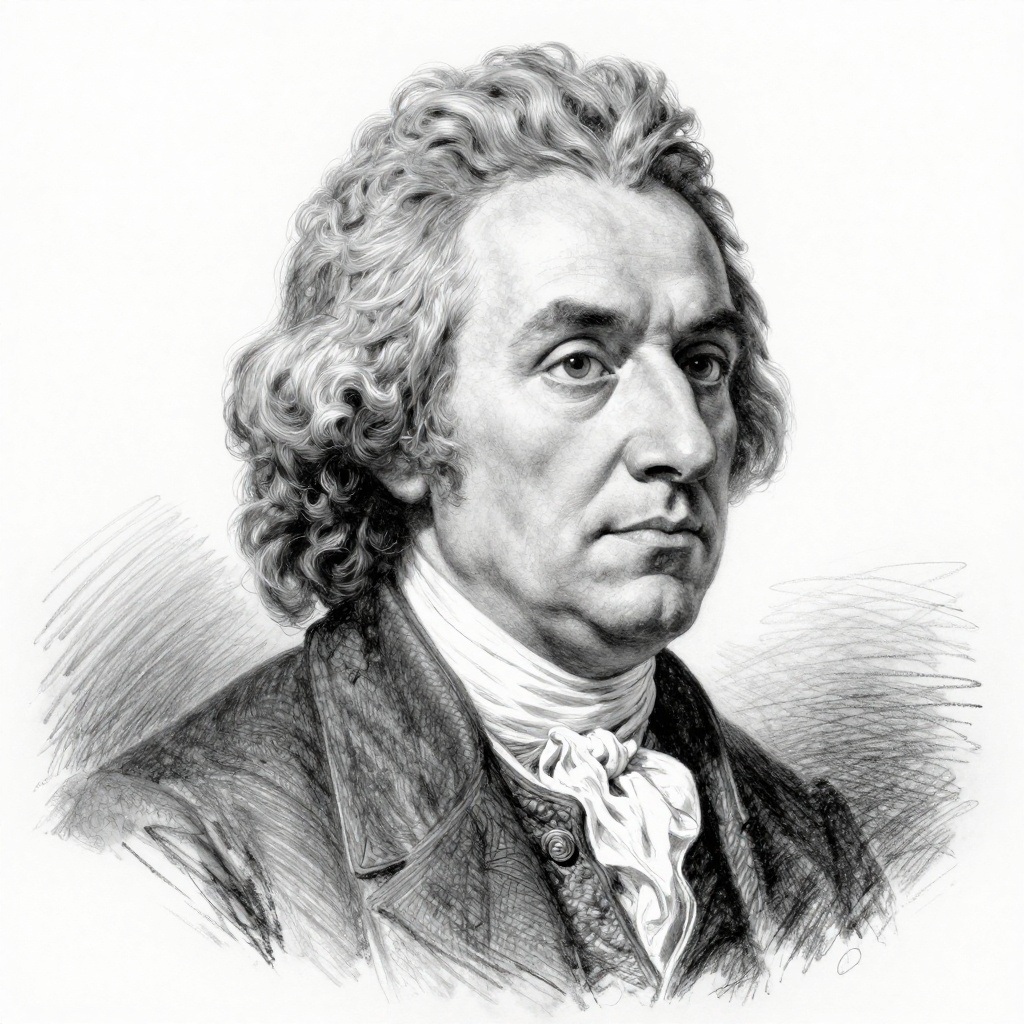
1694–1778·lived 83 years
Voltaire was an influential French philosopher, writer, and historian of the Enlightenment period. He is known for his wit, intelligence, and advocacy for freedom of speech, freedom of religion, and separation of church and state. Voltaire's works, including "Candide" and numerous essays, have had a lasting impact on literature and philosophy.
Comments