Quote · Added 15 February 2026
When grace is joined with wrinkles, it is adorable. There is an unspeakable dawn in happy old age.
Victor HugoLes Misérables, 1862
No ratings yet
Quote · Added 15 February 2026
There's something we've mostly forgotten in our culture: the idea that getting older can actually make you more beautiful, not less. Hugo's point isn't about ignoring wrinkles or pretending they don't exist. It's that when someone has lived well—when they've accumulated kindness, humor, and genuine ease with themselves—those lines become evidence of something earned, not something lost.
This matters because we're constantly told that aging is a problem to solve. But think about the people you actually admire—the grandparent who laughs easily, the older friend who doesn't apologize for taking up space, the person who's clearly survived hard things and come out wiser. There's a radiance there that smooth skin alone could never produce. It's the difference between looking young and looking alive.
The tricky part is that this kind of grace isn't automatic. It requires actually living—making choices, weathering disappointments, choosing kindness even when you're tired. It requires letting go of things that don't matter and doubling down on what does. That "unspeakable dawn" Hugo describes is what happens when someone finally stops performing for others and starts being authentically themselves. And it turns out, that's the most compelling thing a person can be at any age.
1802–1885·lived 83 years
Victor Hugo was a renowned French novelist, poet, and playwright, widely regarded as one of the greatest Romantic writers of the 19th century. He is best known for his works "Les Misérables" and "The Hunchback of Notre-Dame," which have left a lasting impact on French literature and culture.
Also by Victor Hugo
Forty is the old age of youth; fifty the youth of old age.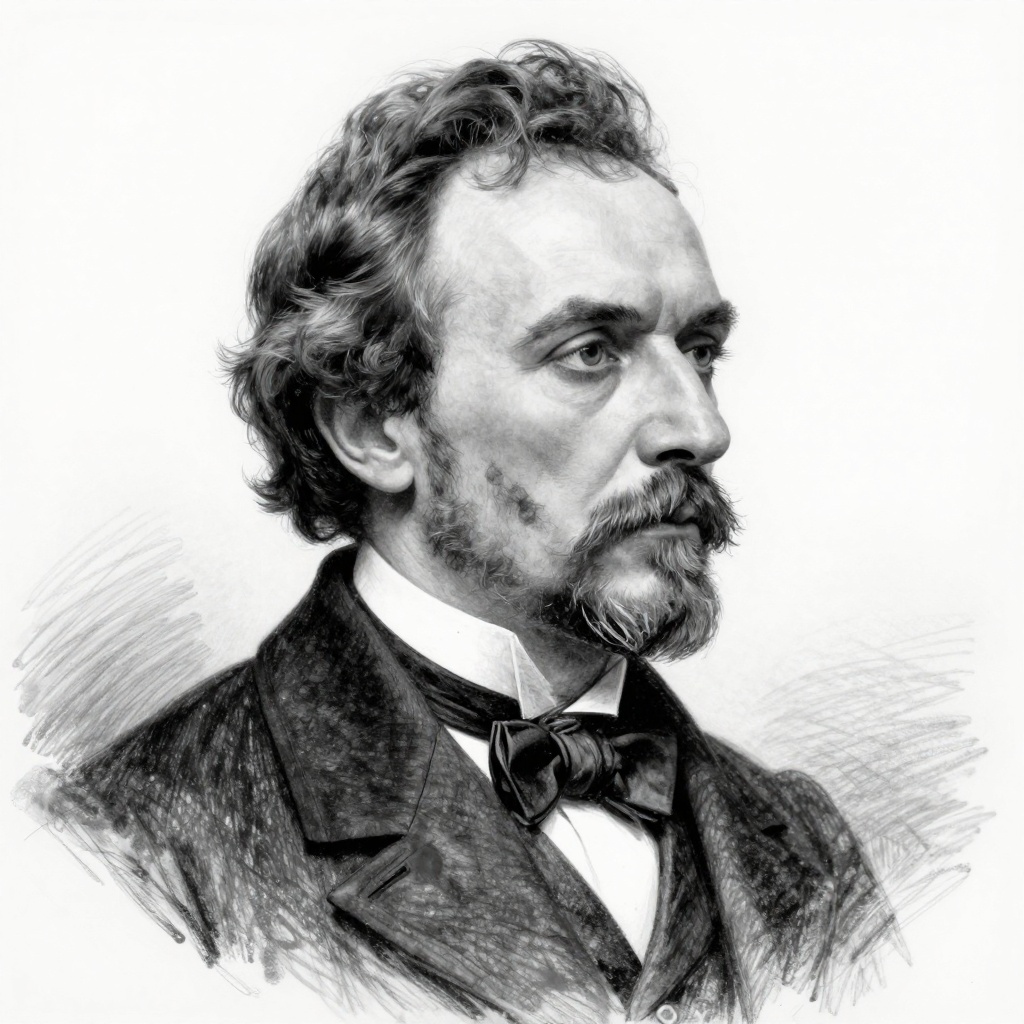
Comments