Quote · Added 15 February 2026
To give thanks in solitude is enough. Thanksgiving has wings and goes where it must go. Your prayer knows much more about it than you do.
No ratings yet
Quote · Added 15 February 2026
There's something quietly radical about thanking no one. We're trained to perform gratitude—to say it out loud, to direct it somewhere, to make sure the right person knows we're grateful. But Hugo's suggesting something else entirely: that gratitude doesn't need an audience or even a clear destination to matter. It works on its own, like a force that's already in motion the moment you feel it.
Most of us experience this secretly already. You feel deep relief or joy—maybe someone was kind, or you dodged something terrible, or the day just surprised you with beauty. You don't announce it. You just sit with it for a moment, alone. That quiet recognition actually changes something in you, even if nobody witnesses it. Gratitude reshapes how you move through the world, how you see the next person, what you're capable of giving.
The unsettling part is letting go of the need to control where your thanks goes. Hugo suggests your deeper self—your "prayer," your instinct, your actual wisdom—knows more than your thinking mind does about what needs acknowledging and why. That's hard to trust. But maybe that's exactly the point. Gratitude isn't a transaction you manage. It's something alive that finds its own way.
1802–1885·lived 83 years
Victor Hugo was a renowned French novelist, poet, and playwright, widely regarded as one of the greatest Romantic writers of the 19th century. He is best known for his works "Les Misérables" and "The Hunchback of Notre-Dame," which have left a lasting impact on French literature and culture.
Also by Victor Hugo
Forty is the old age of youth; fifty the youth of old age.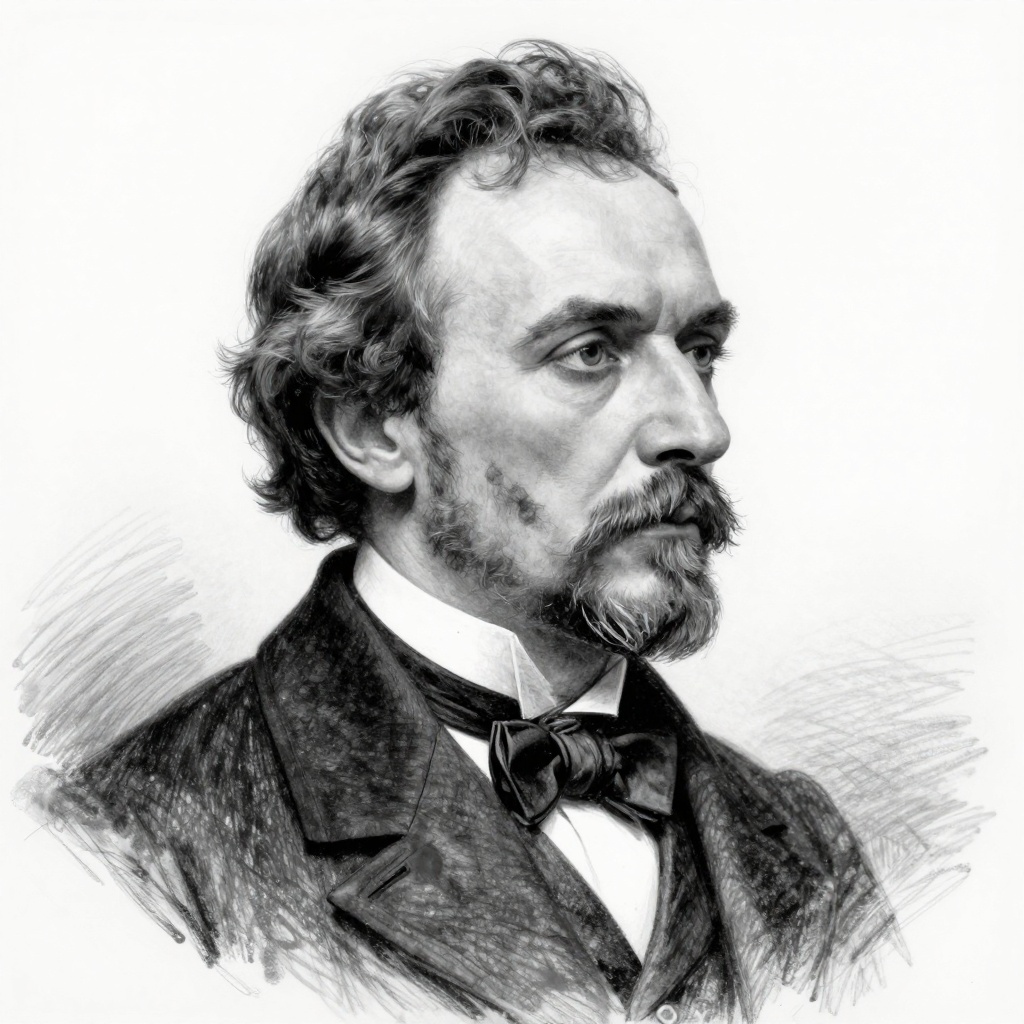
Comments