Quote · Added 15 February 2026
Music expresses that which cannot be put into words.
No ratings yet
Filed undermusic·expression·communication
Quote · Added 15 February 2026
Filed undermusic·expression·communication
There's a reason you can listen to a song and feel something shift inside you—something you couldn't name even if someone asked you directly. Language is precise, but it's also limiting. Words require you to choose one meaning, to draw clear boundaries. Music does something wilder. It holds contradictions. A minor key can feel both sad and beautiful. A rhythm can make you restless and calm at the same time. It's why the same song might mean completely different things to different people, or even to you at different points in your life.
This matters more now than ever, actually. We live in a world drowning in explanation—podcasts, articles, think pieces, everyone narrating their own experience. But some of the realest parts of being human resist that treatment. Grief, longing, joy that feels too big for language, the weird ache of nostalgia—these things often make more sense through sound than through words. When you're struggling to articulate something deep, music can do what language can't: it can just let you feel it, fully and honestly, without needing to reduce it to something explainable.
The strange part is that this doesn't make music vague or weak. It makes it more true.
1802–1885·lived 83 years
Victor Hugo was a renowned French novelist, poet, and playwright, widely regarded as one of the greatest Romantic writers of the 19th century. He is best known for his works "Les Misérables" and "The Hunchback of Notre-Dame," which have left a lasting impact on French literature and culture.
Also by Victor Hugo
Forty is the old age of youth; fifty the youth of old age.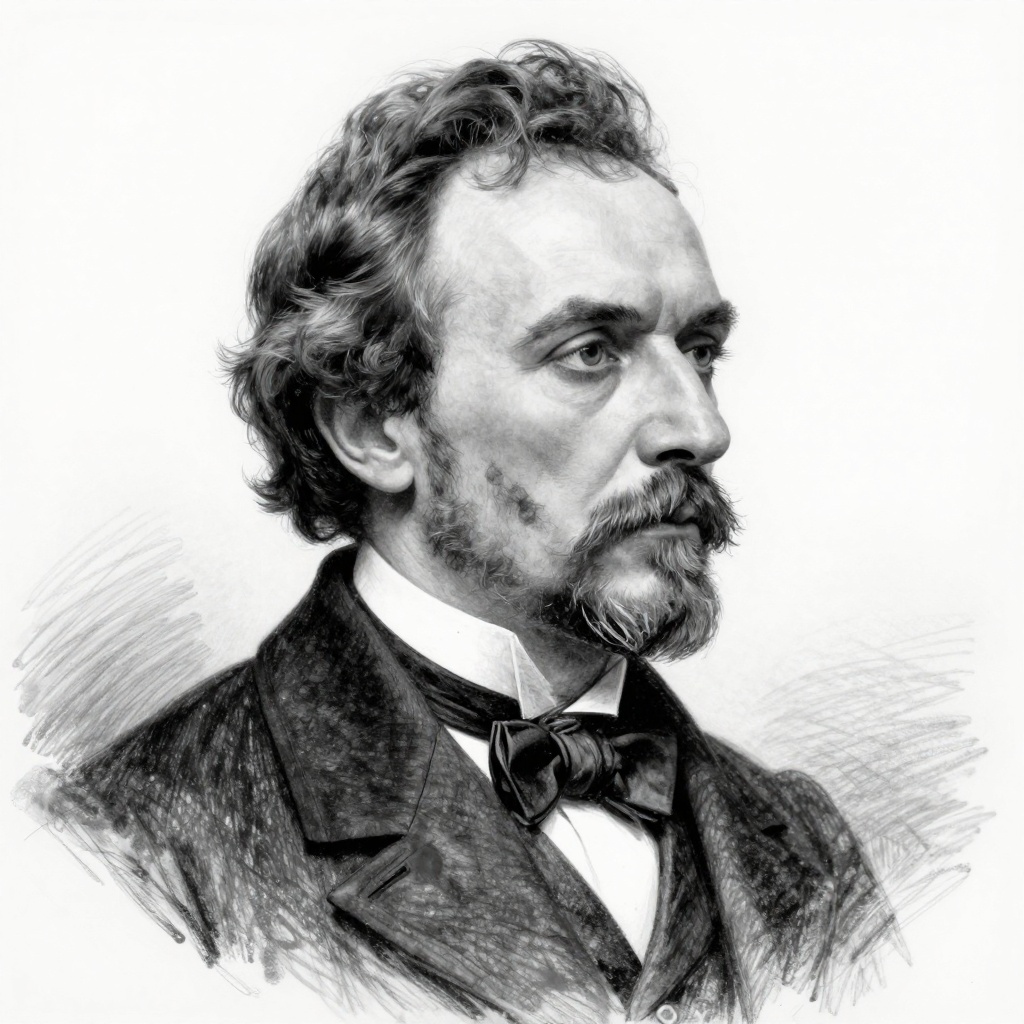
Comments