Quote · Added 16 March 2026
Use this sword for me if I rule well; use it against me if I rule badly.
No ratings yet
Filed undersword·power·accountability
Quote · Added 16 March 2026
Filed undersword·power·accountability
There's something almost counterintuitive about a leader who invites accountability. Trajan, a Roman emperor, essentially said: judge me by my actions, not my position. The sword he's talking about isn't just a weapon—it's permission. Permission to question, to criticize, to push back when things go wrong. This cuts against everything we see in modern leadership, where power usually means surrounding yourself with yes-men and shooting the messenger.
What makes this relevant now is how rare genuine accountability actually is. Most people in authority don't talk this way. They dodge, deflect, blame circumstances or predecessors. Trajan's statement assumes something we've nearly forgotten: that power is temporary, earned through performance, and forfeitable. It's a posture that requires real confidence—or perhaps real wisdom.
The deeper insight is that this actually works as a leadership strategy, not just nice philosophy. When you give people real permission to criticize, you get honest feedback instead of silence. You attract people who believe in something larger than the boss. It's not soft leadership; it's just leadership based on reality instead of theater. Most organizations today run on the opposite assumption, and wonder why people disengage or leave.
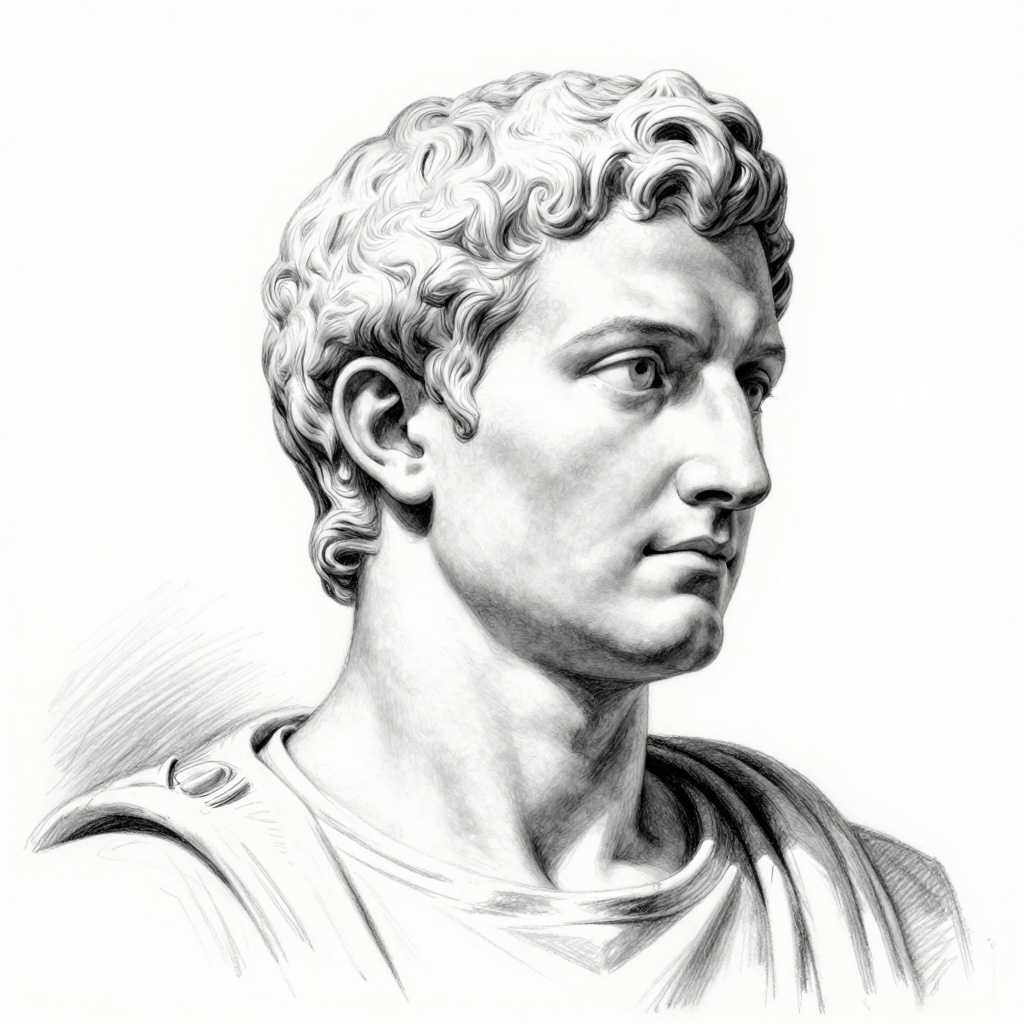
Trajan was a Roman Emperor who ruled from 98 to 117 AD and is best known for leading the empire to its maximum territorial extent through military conquests, particularly in Dacia (modern-day Romania). He is also recognized for his extensive public building programs, including the famous Trajan's Market and Trajan's Column in Rome, which commemorated his victories. Trajan is often regarded as one of the most respected and effective Roman emperors.
Comments