Quote · Added 14 February 2026
Ignorance is bold and knowledge reserved.
ThucydidesThe Peloponnesian War, Book 2, Chapter 62, Section 4
Filed underignorance·knowledge·confidence
Quote · Added 14 February 2026
Filed underignorance·knowledge·confidence
There's something almost embarrassing about how accurately this describes what you see online every day. The people most certain about complex topics—politics, health, history, economics—are often the ones who've read the least about them. Meanwhile, actual experts tend to hedge, qualify, and acknowledge what they don't know. It's not false modesty. When you've really studied something, you start seeing all the edges and exceptions that don't fit the simple story.
The twist is that this pattern isn't really about stupidity. It's about how confidence and knowledge actually work. Ignorance is lightweight and frictionless—you can believe anything without the drag of contradictory facts you've encountered. Knowledge, though, is heavy. It's full of "but actually" and "it depends." That weight doesn't make knowledge weaker; it makes it more careful, more honest.
The practical payoff: next time you're uncertain about something, that feeling might actually be a sign you're thinking clearly. And when someone's absolutely sure about something complex, it might be worth asking what they haven't considered yet. The people worth listening to are usually the ones who seem a bit more hesitant than they did before they knew what they were talking about.
2000–395 BC
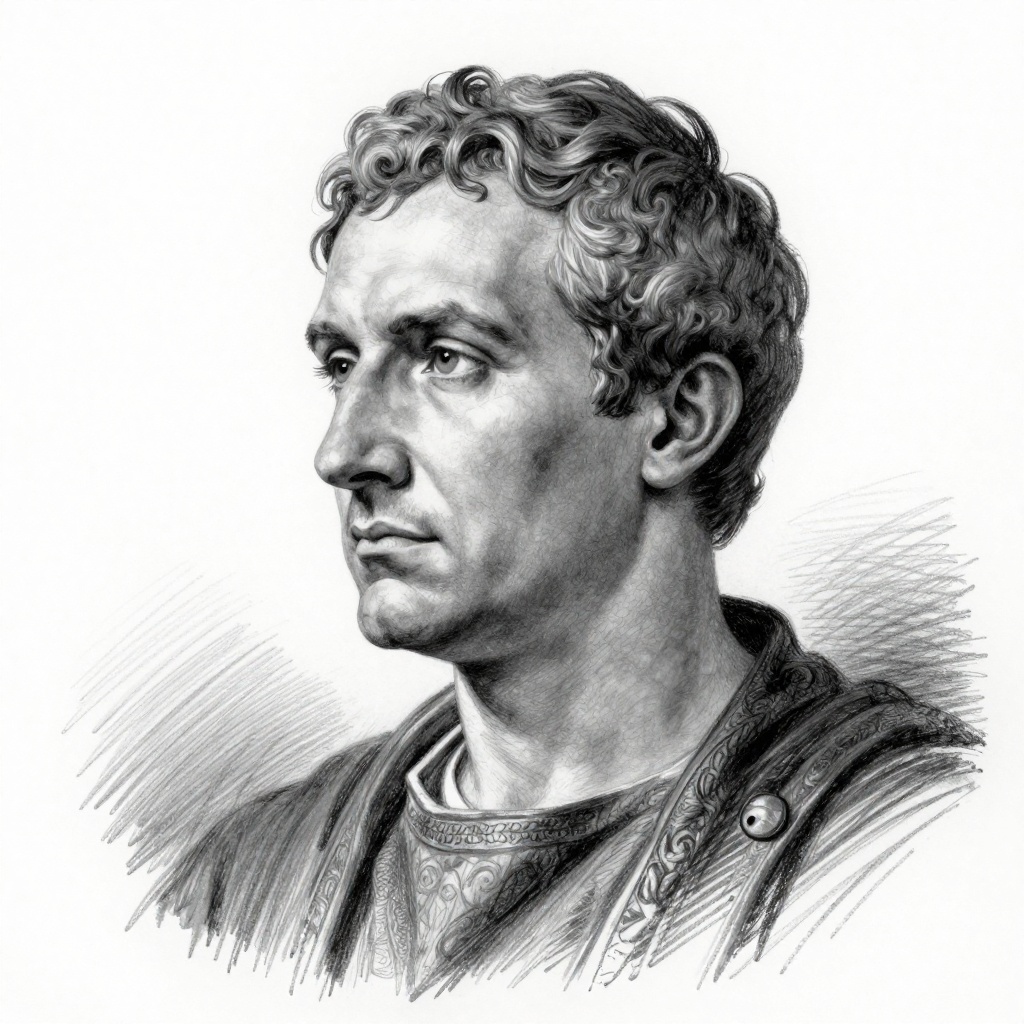
Thucydides was an ancient Greek historian, best known for his work "History of the Peloponnesian War," which details the conflict between Athens and Sparta. Born around 460 BC, he is often regarded as the father of scientific history due to his critical approach to historical evidence and emphasis on rational analysis. His writings have significantly influenced the study of history and political theory.
Comments