Quote · Added 20 April 2024
He who graduates the harshest school, succeeds.
Filed underschool·success·perseverance
Quote · Added 20 April 2024
Filed underschool·success·perseverance
There's a quiet wisdom in noticing that the people who genuinely get better at things often aren't the ones who had it easiest. The "harshest school" isn't always a prestigious institution—it's the job where nothing came naturally, the relationship that forced you to actually listen, the failure that made you redesign everything. Those rough spots create something smooth surfaces never can: real competence that doesn't depend on conditions being perfect.
What's interesting is how this plays against our instinct to optimize comfort. We want to remove friction, take the easier path, find the shortcut. But there's a difference between pointless suffering and the kind of difficulty that actually teaches you something about yourself and how the world works. A person who's only known smooth sailing often doesn't know what they're capable of because they've never been tested. They haven't learned to improvise, to stay calm under pressure, or to know which principles matter most when nothing's going according to plan.
The catch is that harsh schools don't guarantee success—they just make it possible. You have to actually pay attention to what the difficulty is teaching you, not just endure it. The real graduation happens when you can look back and see how each hardship made you more capable, more resourceful, more yourself.
2000–395 BC
Thucydides was an ancient Greek historian, best known for his work "History of the Peloponnesian War," which details the conflict between Athens and Sparta. Born around 460 BC, he is often regarded as the father of scientific history due to his critical approach to historical evidence and emphasis on rational analysis. His writings have significantly influenced the study of history and political theory.
Also by Thucydides
Ignorance is bold and knowledge reserved.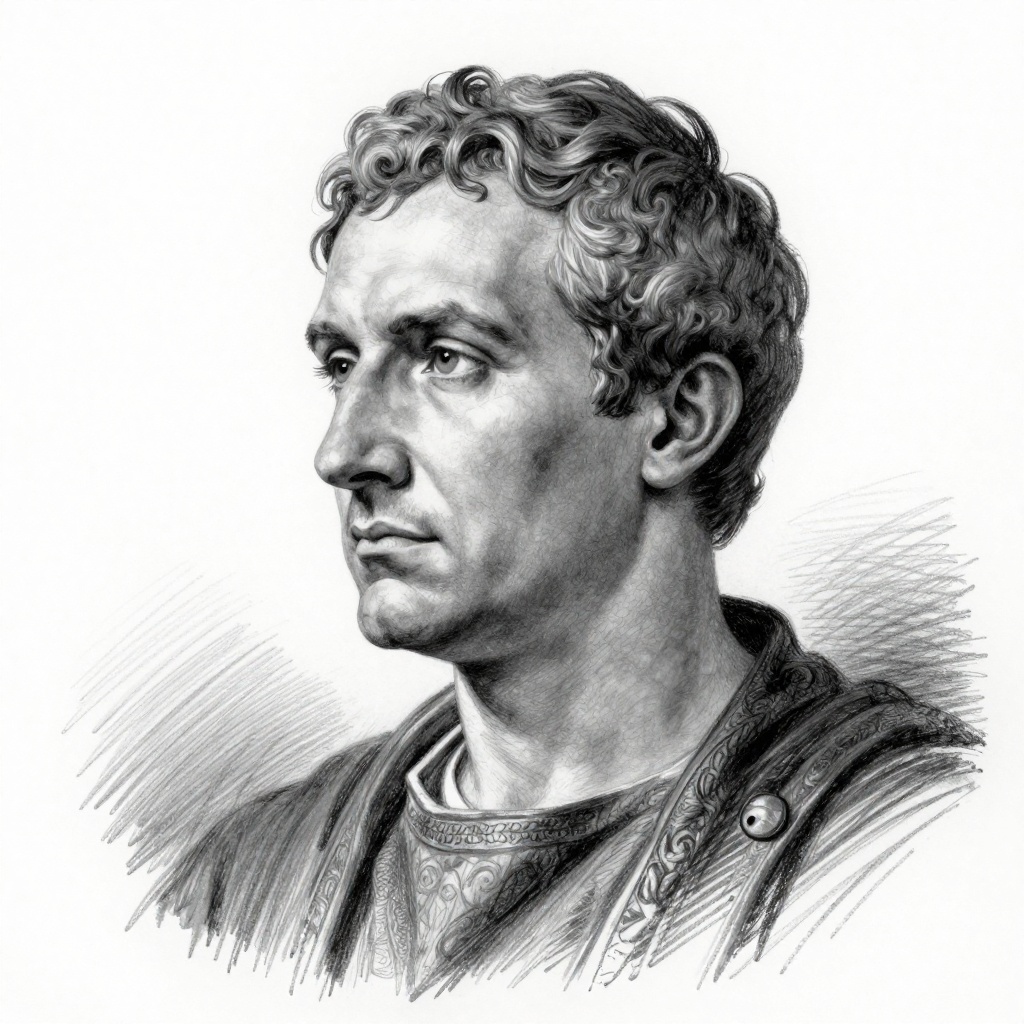
Comments