Quote · Added 14 February 2026
Music is nothing else but wild sounds civilized into time and tune.
Thomas FullerGnomologia, p. 123, 1732
Filed undermusic·creativity·structure
Quote · Added 14 February 2026
Filed undermusic·creativity·structure
There's something profound in the idea that music is really just noise that's been organized. It suggests that the difference between a beautiful symphony and traffic outside your window isn't what the sounds are—it's the structure. That's oddly democratic. It means musicality isn't some magical gift reserved for certain people; it's pattern-making anyone can understand.
This matters now because we're drowning in sound. Podcasts, notifications, ambient music in coffee shops, the constant hum of modern life. We've gotten so used to noise that we've forgotten it's actually just air molecules being shoved around. When you hear a song that stops you cold, what's really happening is those molecules are being pushed in exactly the right sequence, at exactly the right moments. That's it. That's the entire difference between chaos and meaning.
The sneaky insight here is that this works backward too. If music is just organized sound, then chaos is just disorganization. A lot of what stresses us isn't the actual events—it's that they feel unpatterned, random, out of control. Learning to find or create rhythm in disorder, even small rhythms, might be closer to music than we think. That's probably why people hum when they're nervous or anxious. We're trying to civilize the wildness back into something we can bear.
1610–1661·lived 50 years
Thomas Fuller was a 17th-century English churchman and historian known for his witty and insightful writings. He is most recognized for his major work, the "History of the Worthies of England," which provides biographical sketches of notable figures throughout English history.
Also by Thomas Fuller
One that would have the fruit must climb the tree.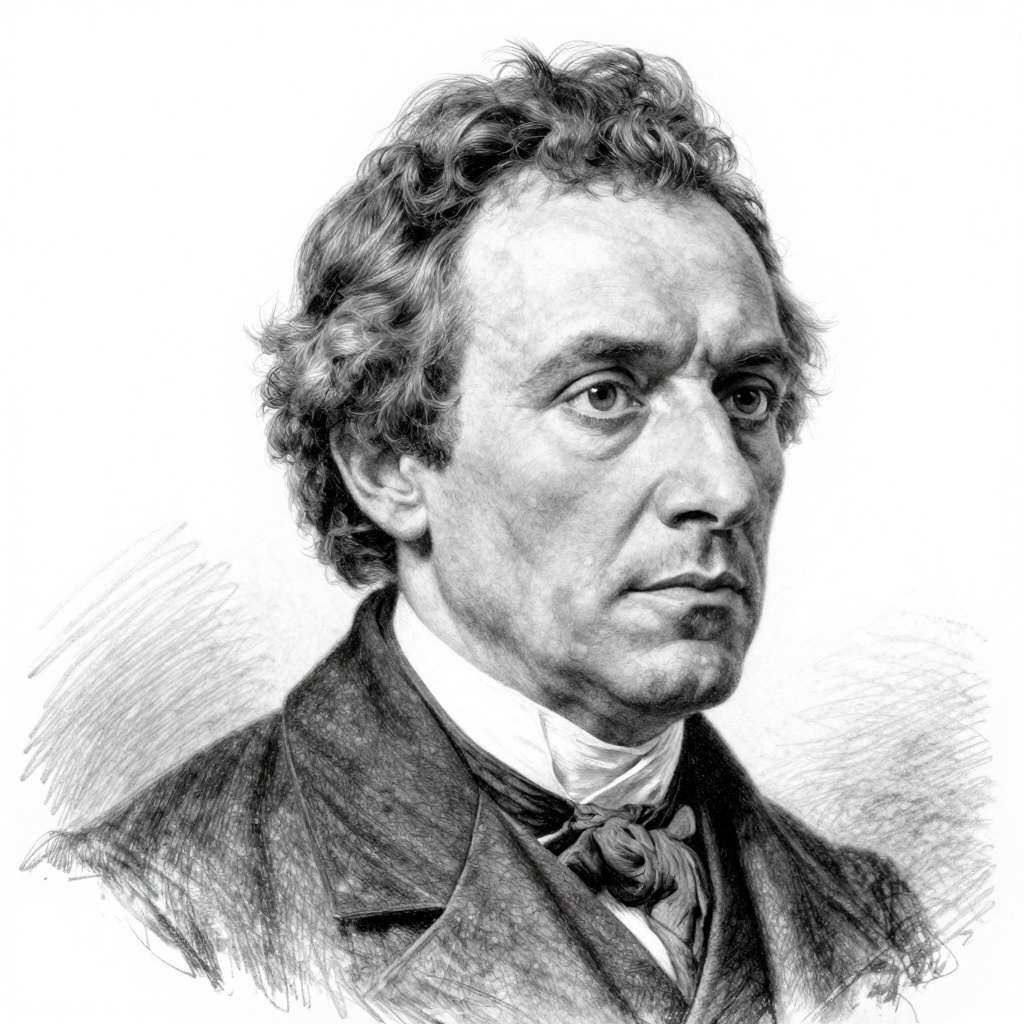
Comments