Quote · Added 14 February 2026
It is madness for sheep to talk peace with a wolf.
Thomas FullerGnomologia, p. 123, 1732
Quote · Added 14 February 2026
We often hear that compromise and understanding solve most conflicts, and they do—but only when both sides actually want a resolution. This quote cuts through that comfortable assumption. Sometimes one party isn't interested in peace at all; they're interested in winning. A sheep negotiating with a wolf isn't being principled or wise. It's just delaying the inevitable while pretending the other side shares the same goals.
The tricky part is recognizing which situations genuinely call for negotiation and which ones don't. It's tempting to see yourself as the reasonable party in any dispute, the one willing to talk things through. But this quote suggests there's a time to stop talking and start protecting yourself. It might be a toxic relationship you keep trying to salvage, a business partner who's systematically taking advantage of you, or even a personal boundary that keeps getting violated. Peace-seeking only makes sense when the other person is actually seeking peace too.
The insight isn't cynical fatalism—it's clarity about power dynamics. Sometimes recognizing you're in an asymmetrical situation where the other side holds all the leverage is the most honest thing you can do. And sometimes the best move isn't clever negotiation. It's walking away.
1610–1661·lived 50 years
Thomas Fuller was a 17th-century English churchman and historian known for his witty and insightful writings. He is most recognized for his major work, the "History of the Worthies of England," which provides biographical sketches of notable figures throughout English history.
Also by Thomas Fuller
One that would have the fruit must climb the tree.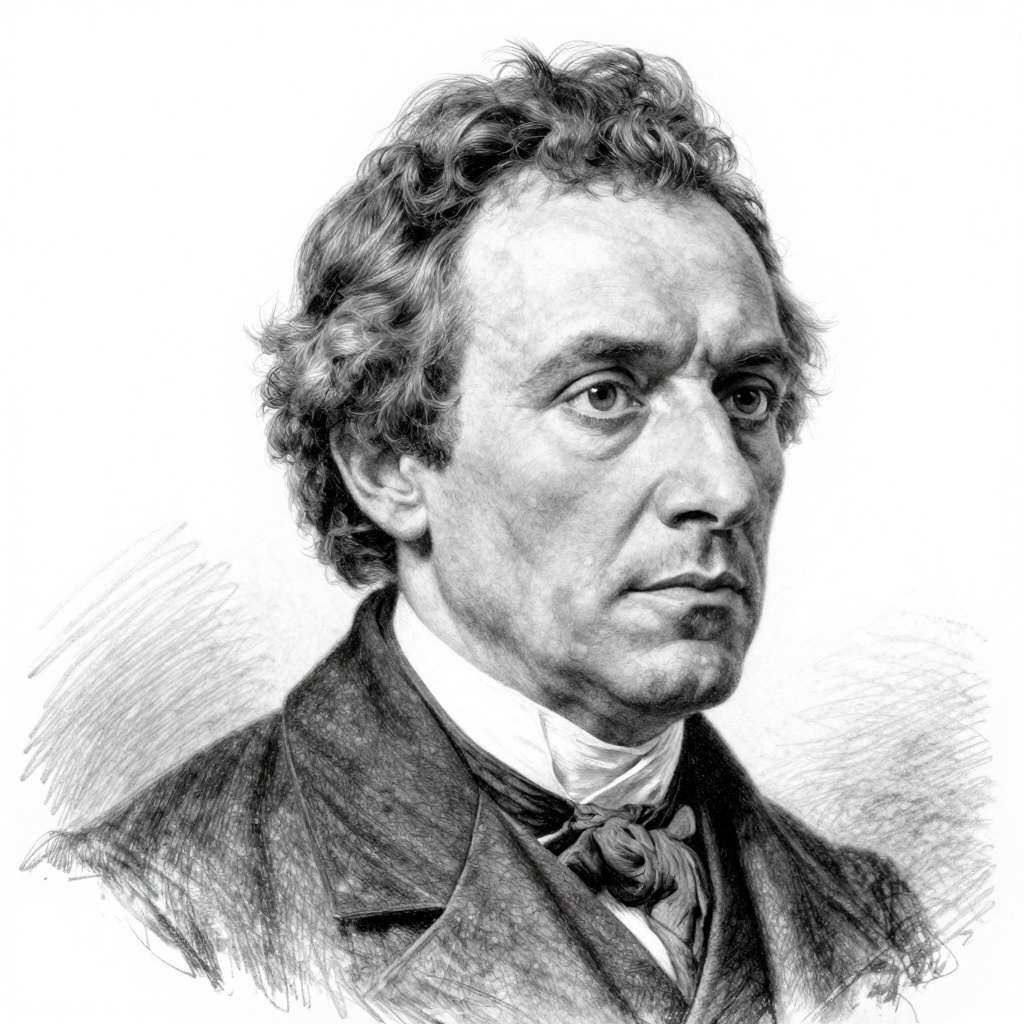
Comments