Quote · Added 10 February 2026
It is costly wisdom that is bought by experience.
Thomas FullerGnomologia: Adages and Proverbs, # 2481, 1732
Filed underwisdom·experience·cost
Quote · Added 10 February 2026
Filed underwisdom·experience·cost
We all know the feeling: watching someone we care about make a mistake we've already made, desperately wanting to hand them our hard-won knowledge so they can skip the painful part. But it rarely works. There's something about learning through direct experience—through failure, consequence, even embarrassment—that sticks in a way borrowed wisdom simply doesn't. A lecture about overspending doesn't teach what a maxed credit card does. A warning about toxic friendships can't compete with the loneliness of realizing you've wasted years on someone.
Fuller's point isn't that this is tragic, though it often feels that way. It's that this cost is also what makes the lesson real. When you've paid the price yourself—in time, money, heartbreak, or humiliation—you don't just know something intellectually. You trust it. You've earned the right to your own conviction about it. That's why people who've rebuilt their lives after hitting rock bottom often become genuinely unshakeable in their recovery, while people who've only heard about the dangers can still be swayed.
The non-obvious part? Accepting this might actually be freeing. Instead of beating yourself up for not listening when someone tried to warn you, you can recognize that you were gathering something they couldn't just hand over. The tuition was steep, yes. But now you actually own it.
1610–1661·lived 50 years
Thomas Fuller was a 17th-century English churchman and historian known for his witty and insightful writings. He is most recognized for his major work, the "History of the Worthies of England," which provides biographical sketches of notable figures throughout English history.
Also by Thomas Fuller
One that would have the fruit must climb the tree.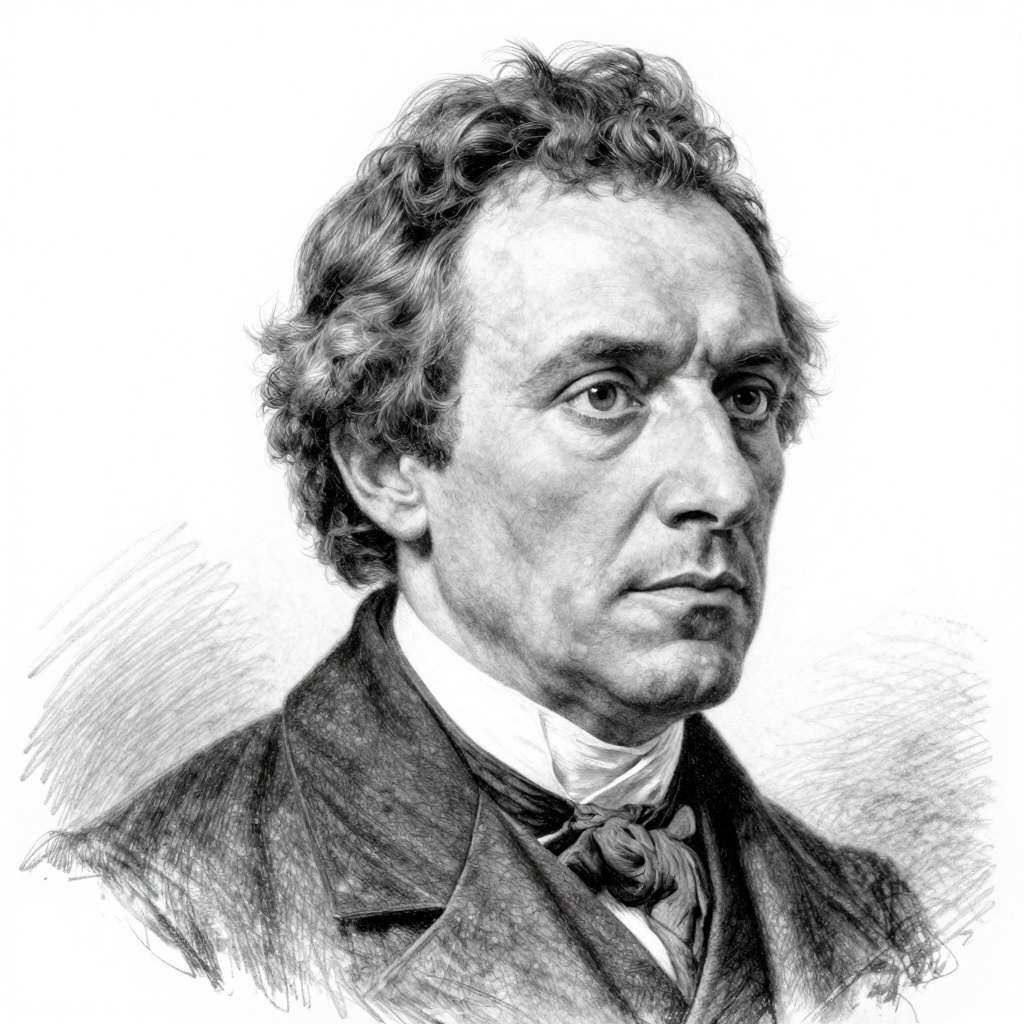
Comments