Quote · Added 14 February 2026
All things are difficult before they are easy.
Thomas FullerGnomologia, 1732
Filed underdifficulty·growth·perseverance
Quote · Added 14 February 2026
Filed underdifficulty·growth·perseverance
We've all felt that moment when something clicks—when suddenly the piano piece we've been fumbling through for weeks just flows under our fingers, or we navigate a software update without spiraling into panic. What's easy now was genuinely hard before. The catch is that we often don't account for this gap when we're making decisions about learning something new, which leads us to overcommit and then quit.
This quote is really about the shape of improvement, and it explains a lot of modern frustration. We expect things to feel manageable from day one, so when they don't—when we're genuinely clumsy and slow—we read that as a sign we're not cut out for it, rather than as simply the normal beginning. The uncomfortable middle section isn't a failure; it's where all progress actually happens. Knowing this doesn't make the difficulty disappear, but it reframes it from "I'm bad at this" to "I'm currently in the beginning phase of becoming capable."
The non-obvious part? The longer the learning curve, the more rewarding the mastery often is. Things that came easy quickly tend to stay shallow.
1610–1661·lived 50 years
Thomas Fuller was a 17th-century English churchman and historian known for his witty and insightful writings. He is most recognized for his major work, the "History of the Worthies of England," which provides biographical sketches of notable figures throughout English history.
Also by Thomas Fuller
One that would have the fruit must climb the tree.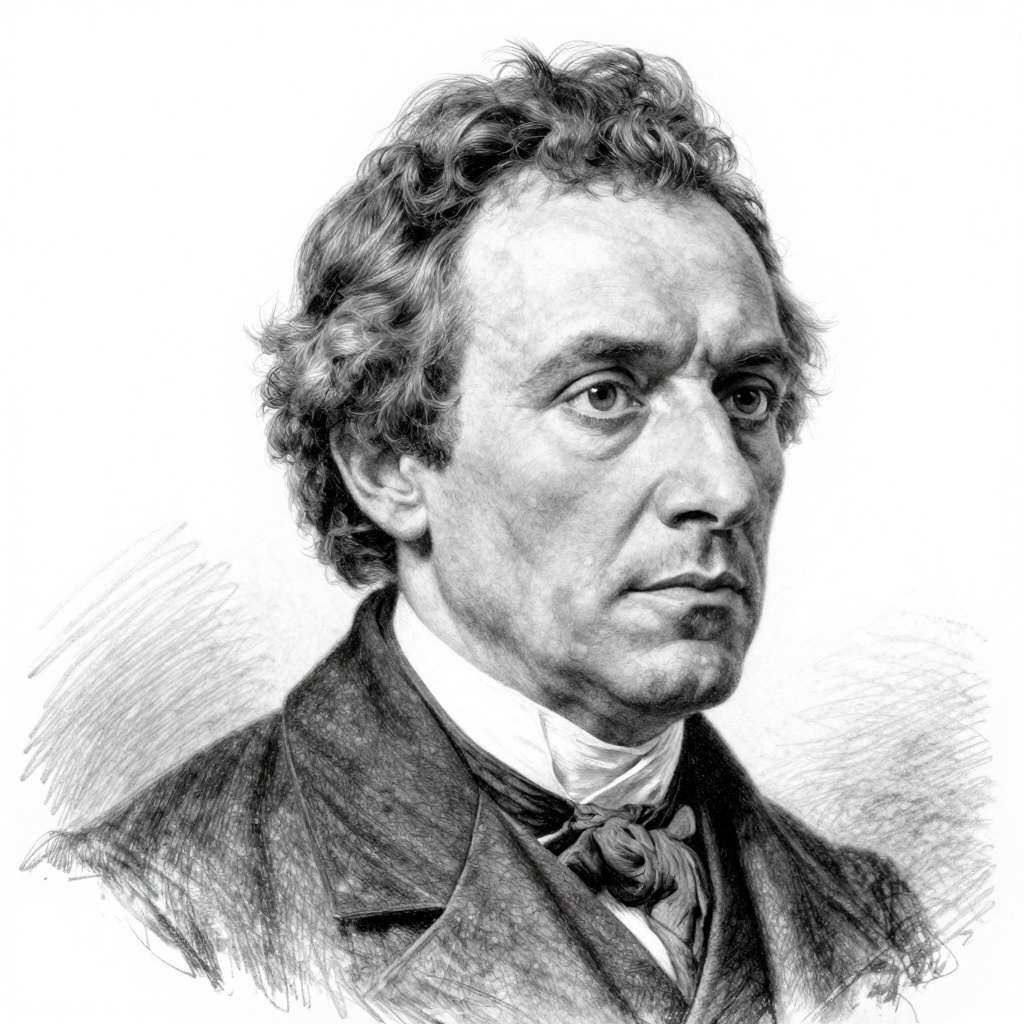
Comments