Quote · Added 9 February 2026
Reading
AI generatedFear cuts through what advice cannot
There's something our rational mind doesn't want to admit: we're often more moved by fear than by wisdom. A friend can tell you for years that you need to exercise, eat better, or save money, and it barely registers. But one health scare, one close call with your finances, one moment of real consequence—suddenly you change. Not because the advice got better, but because you felt the stakes in your body.
This reveals something uncomfortable about how we actually work. We're not purely logical creatures waiting for good information. We're creatures who respond to signals of danger, to the immediate and visceral. That's partly why we scroll through doomscroll news instead of reading long-form analysis, why we remember dramatic stories better than statistics, why we finally quit a bad habit only after it hurts us rather than before. The scare cuts through the noise of good intentions.
The trick, if there is one, is recognizing this about ourselves without waiting for crisis to teach us. You can borrow wisdom from other people's scares instead of needing your own. But Carlyle's point rings true: we're wired to listen when something feels urgent and real. Understanding that about yourself—that caution written in your bones sometimes speaks louder than reason—isn't failure. It's just being honest about what we are.
The author
All 11 quotes by Thomas Carlyle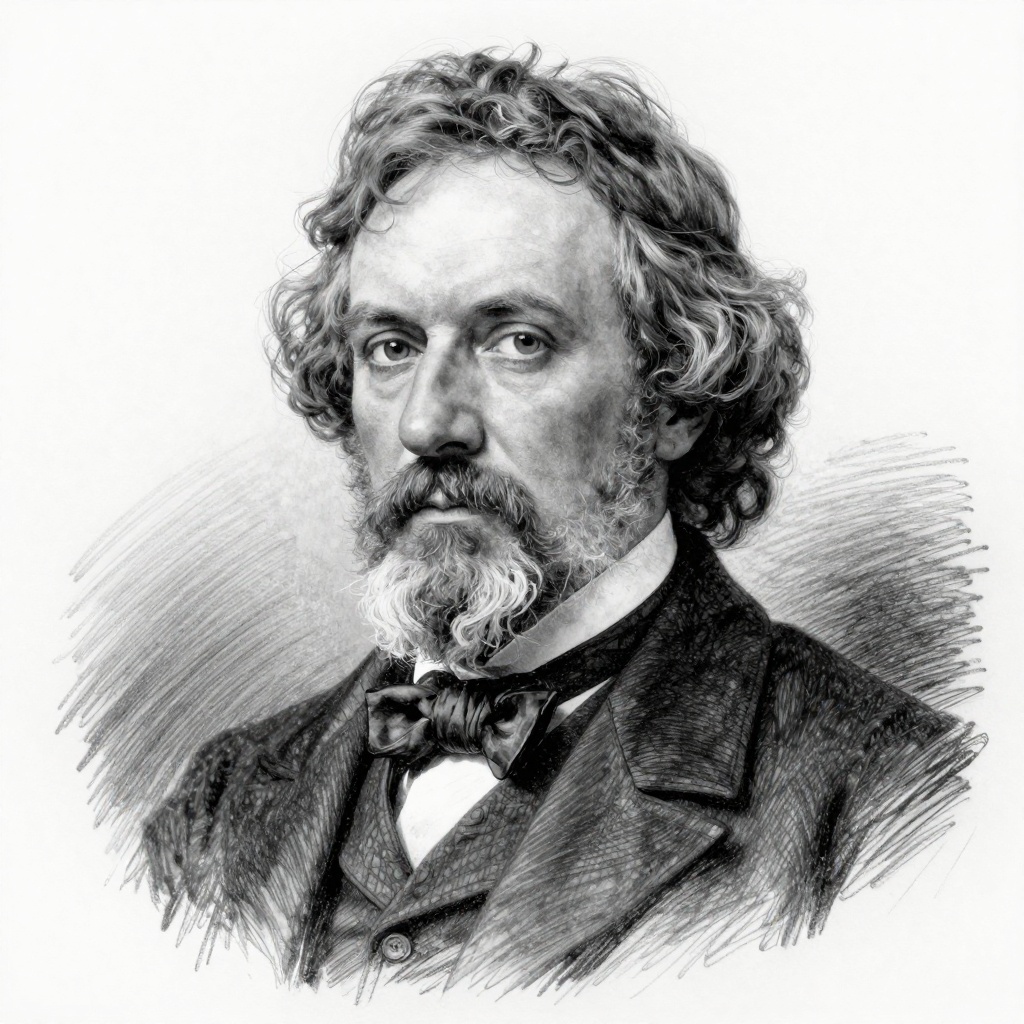
Thomas Carlyle
1795–1881·lived 85 years
Thomas Carlyle was a Scottish philosopher, essayist, and historian who lived in the 19th century. He is best known for his work "Sartor Resartus" and for popularizing the idea of the "Great Man theory" in history, emphasizing the impact of individuals on society.
Also by Thomas Carlyle
The true university of these days is a collection of books.
Comments