Quote · Added 14 February 2026
To one who has faith, no explanation is necessary. To one without faith, no explanation is possible.
Filed underfaith·understanding·belief
Quote · Added 14 February 2026
Filed underfaith·understanding·belief
We often think of faith as purely religious, but this quote reveals something more universal about how belief shapes what we're even able to see. When someone believes in something—whether it's that they can succeed at a difficult task, that a relationship is worth fighting for, or that their work matters—they interpret evidence through that lens. They notice the signs that confirm it. Someone without that belief, confronted with the exact same evidence, will find reasons to dismiss it.
This matters because it suggests that some gaps between people aren't really gaps in information. You can bombard someone with facts, studies, examples, and they'll still find loopholes because the foundational belief isn't there to make it all cohere. It's not stupidity; it's that belief acts like a framework for what counts as real evidence in the first place. A parent believes their struggling child can improve, so they see a small test score gain as proof. A skeptical observer sees the same score and thinks they're being naive.
The tricky part is that this cuts both ways. It means we should be humble about our own certainties—we might be blind to valid evidence that contradicts what we already believe. But it also means trying to logic someone into your worldview almost never works. The real work is often slower and stranger: finding what experiences might shift the underlying belief itself.
1225–1274·lived 49 years
Thomas Aquinas was a renowned Italian Dominican friar, philosopher, and theologian who lived in the 13th century. He is best known for his influential works in natural theology, such as the Summa Theologica, where he sought to reconcile faith and reason. Aquinas is considered one of the greatest Christian theologians and philosophers of all time.
Also by Thomas Aquinas
Love takes up where knowledge leaves off.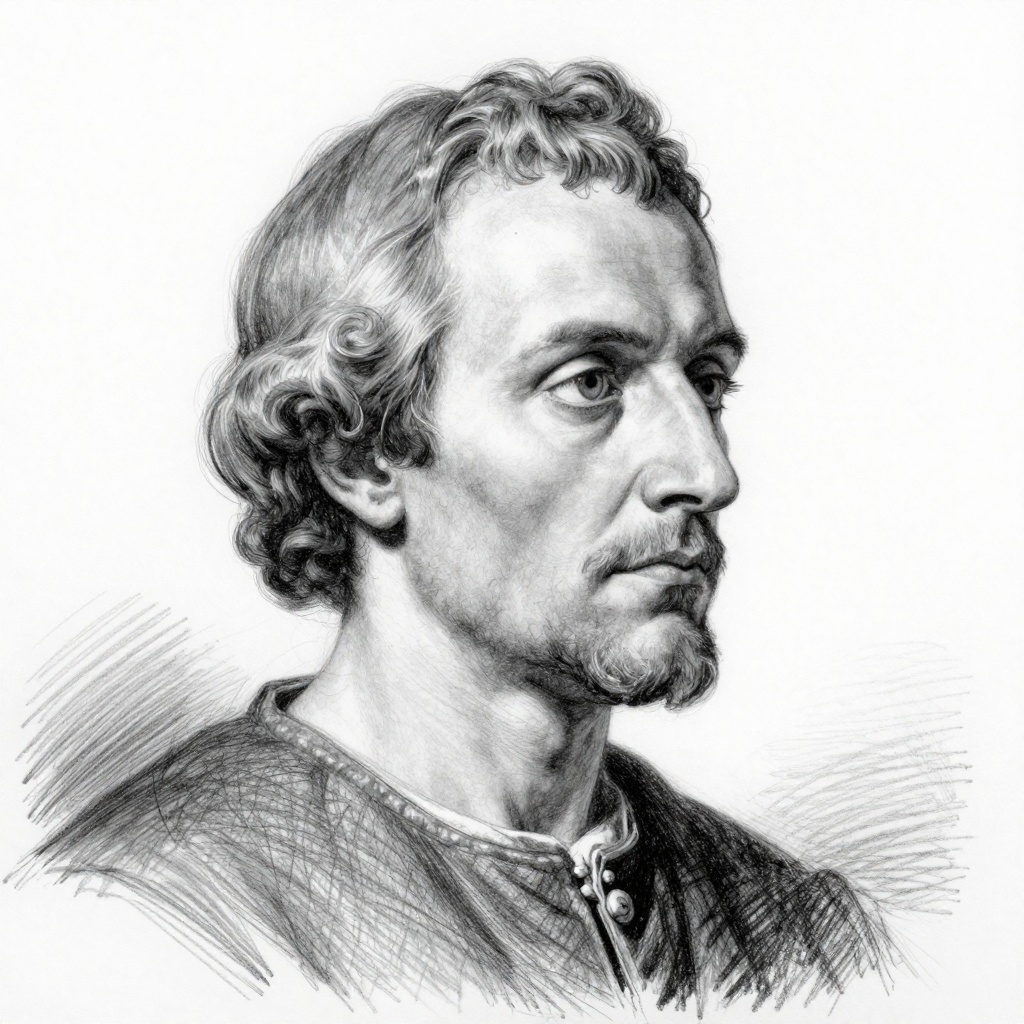
Comments