Quote · Added 1 April 2024
Whenever you are asked if you can do a job, tell ‘em ‘Certainly I can!’ Then get busy and find out how to do it.
Theodore RooseveltHappiness and Virtue Beyond East and West
Filed underconfidence·initiative·determination
Quote · Added 1 April 2024
Filed underconfidence·initiative·determination
Most of us approach opportunities backward. We calculate whether we're qualified first, then decide if we're interested. But this creates a weird trap: you only say yes to things you already know how to do, which means you never actually grow. Roosevelt's advice flips that entirely—commit first, figure it out second.
This doesn't mean recklessness. It means recognizing that the gap between "I can do this" and "I know how to do this" is actually where all learning happens. When you say yes confidently, something shifts psychologically. You stop scrolling for permission or the perfect preparation moment. You start problem-solving instead of overthinking. The person who's willing to find out how is almost always the one who actually learns.
The tricky part is distinguishing between healthy confidence and delusion. Roosevelt wasn't suggesting you say yes to brain surgery. But for most opportunities we face—that project, that conversation, that skill—the real ceiling isn't ability, it's willingness to look foolish while learning. The confidence comes first because it's what gives you permission to be clumsy on your way to competent.
1858–1919·lived 60 years
Theodore Roosevelt (1858–1919) was an American statesman, author, explorer, soldier, and naturalist who served as the 26th President of the United States from 1901 to 1909. Known for his progressive policies, trust-busting efforts, conservationism, and contributions to foreign policy, he was a larger-than-life figure in American history.
Also by Theodore Roosevelt
The nation behaves well if it treats the natural resources as assets which it must turn ov...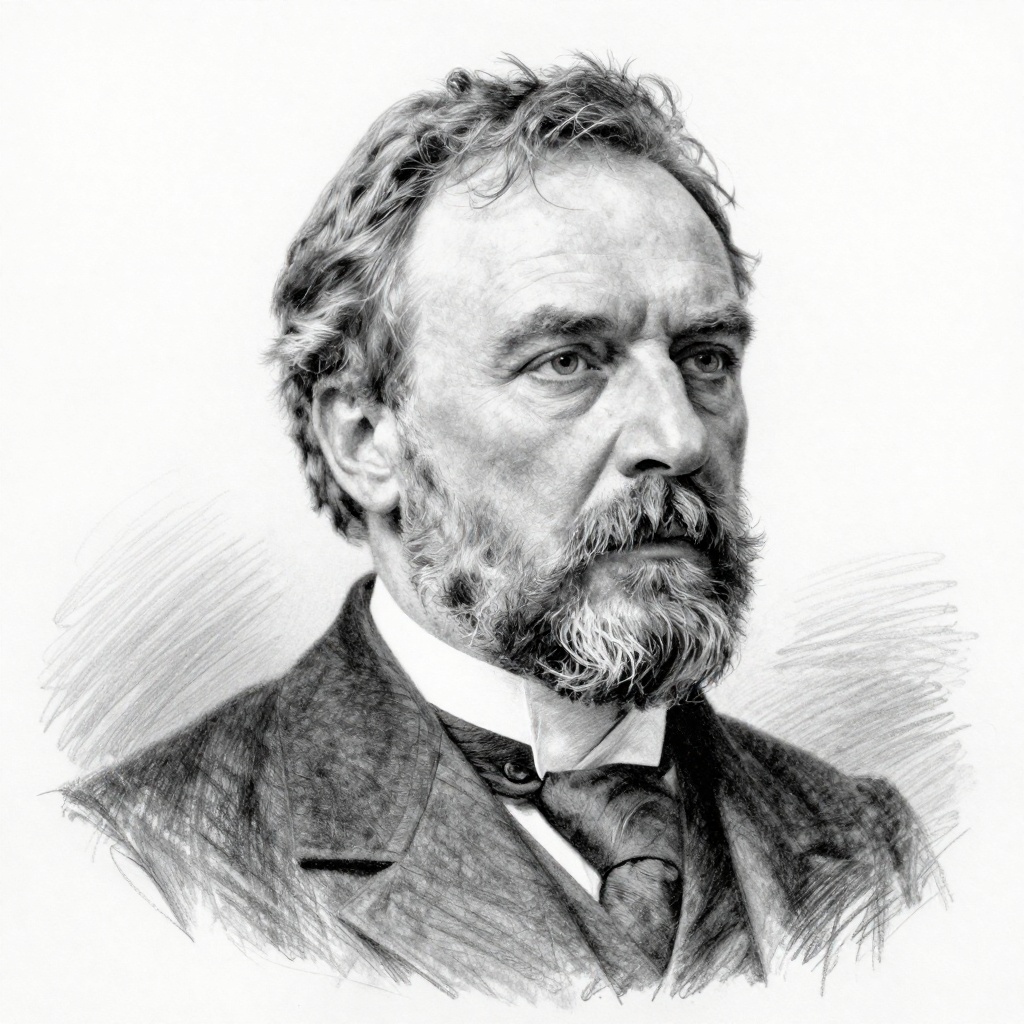
Comments