Quote · Added 14 February 2026
To educate a man in mind and not in morals is to educate a menace to society.
Theodore RooseveltTheodore Roosevelt Center, To educate a person in mind and not in morals is to educate a menace to society
Quote · Added 14 February 2026
We live in an age where we can access nearly any information instantly, yet we seem more confused about how to actually use it. Roosevelt's point isn't that intelligence is bad—it's that cleverness without conscience creates a particular kind of danger. A smart person who doesn't question their own biases, who optimizes only for winning, or who sees others as obstacles rather than people, can do real damage in ways a less capable person simply cannot.
The tricky part is that we often separate these things completely. We build schools focused almost entirely on achievement and credentials, assuming that smart people will naturally become good people. But intelligence is morally neutral—it's a tool that works equally well for helping or hurting. The person who excels at manipulation is still excellent; they're just using their mind toward something corrosive.
What makes this quote unsettling is how it applies to ourselves. We all contain this tension: we know things we wish we didn't know, we're capable of arguments we don't believe in, we can justify almost anything if we're clever enough about it. Roosevelt suggests the real education isn't adding more knowledge—it's developing the character to know when not to use what we know.
1858–1919·lived 60 years
Theodore Roosevelt (1858–1919) was an American statesman, author, explorer, soldier, and naturalist who served as the 26th President of the United States from 1901 to 1909. Known for his progressive policies, trust-busting efforts, conservationism, and contributions to foreign policy, he was a larger-than-life figure in American history.
Also by Theodore Roosevelt
The nation behaves well if it treats the natural resources as assets which it must turn ov...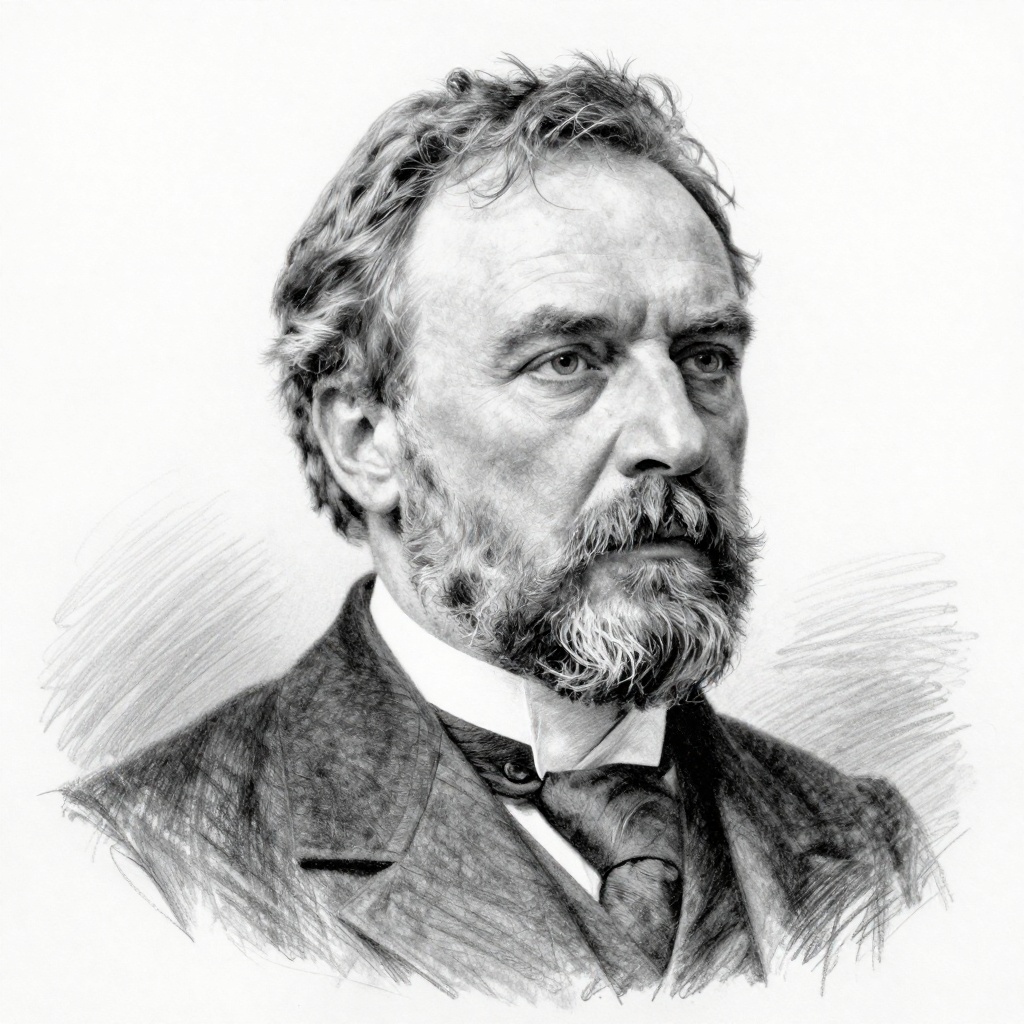
Comments