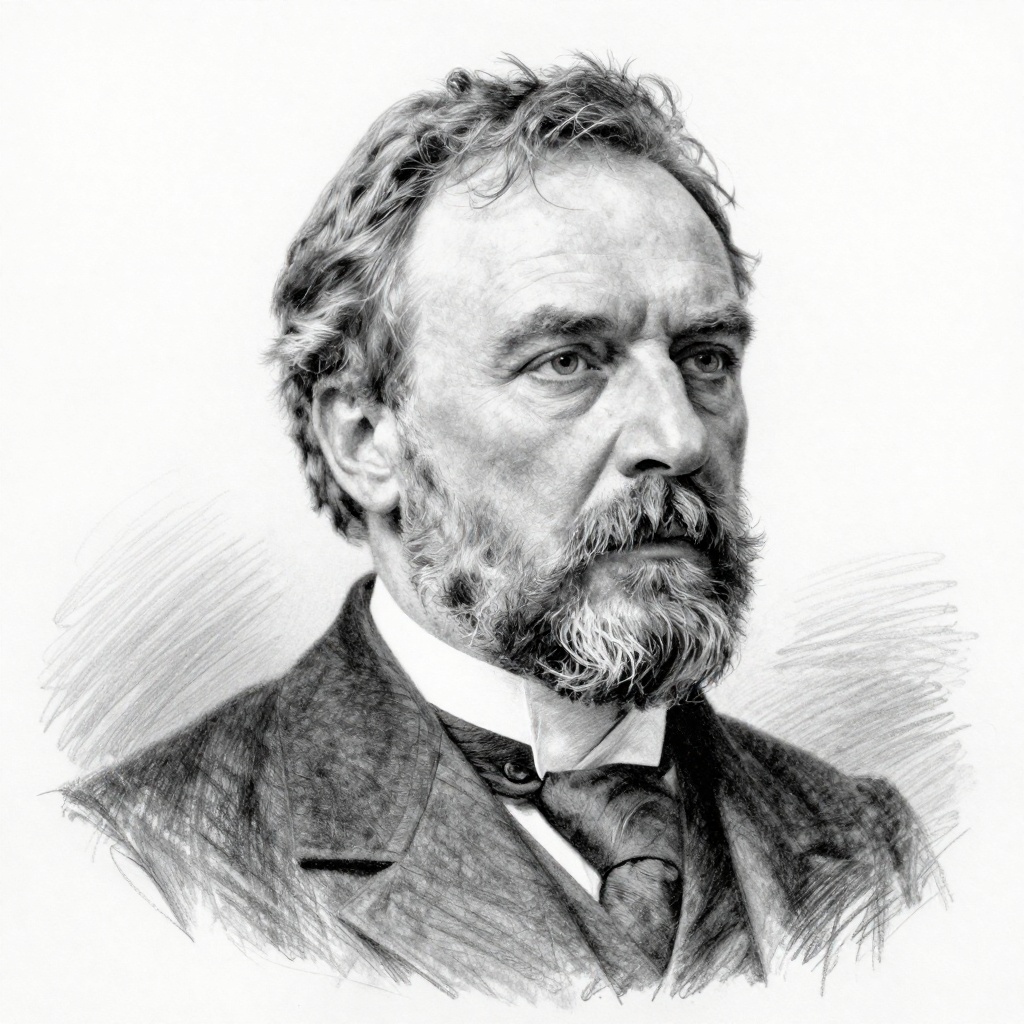
The things that will destroy America are prosperity-at-any-price, peace-at-any-price, safety-first instead of... — Theodore Roosevelt

The things that will destroy America are prosperity-at-any-price, peace-at-any-price, safety-first instead of duty-first, the love of soft living, and the get-rich-quick theory of life.

Author: Theodore Roosevelt

Insight: Roosevelt was warning about something most of us understand in our bones: that comfort itself can become a trap. When everything is optimized for ease—when we can order dinner without leaving the couch, when we can avoid anyone who disagrees with us—we lose the friction that actually builds character. The danger isn't comfort itself, but using it as an excuse to stop showing up for harder things: difficult conversations, meaningful work, obligations that don't pay off immediately. What's interesting is how this maps onto modern anxiety. We chase security and ease, yet we're often less satisfied than people with real skin in the game. A parent struggling through a challenging job they believe in often feels more alive than someone coasting in a high-paying role. A community that actually argues about something matters more than one where everyone stays polite and distant. Roosevelt isn't saying comfort is evil—he's saying it becomes corrosive only when it replaces purpose. The hardest part of his warning applies to individual lives, not just nations. It's the quiet realization that "taking it easy" can sometimes be the easiest way to drift into irrelevance, even to yourself. Purpose requires friction. Growth requires saying no to some comforts so we can say yes to something that actually means something.

Comfort becomes the enemy of purpose

The things that will destroy America are prosperity-at-any-price, peace-at-any-price, safety-first instead of duty-first, the love of soft living, and the get-rich-quick theory of life.

Roosevelt was warning about something most of us understand in our bones: that comfort itself can become a trap. When everything is optimized for ease—when we can order dinner without leaving the couch, when we can avoid anyone who disagrees with us—we lose the friction that actually builds character. The danger isn't comfort itself, but using it as an excuse to stop showing up for harder things: difficult conversations, meaningful work, obligations that don't pay off immediately.

What's interesting is how this maps onto modern anxiety. We chase security and ease, yet we're often less satisfied than people with real skin in the game. A parent struggling through a challenging job they believe in often feels more alive than someone coasting in a high-paying role. A community that actually argues about something matters more than one where everyone stays polite and distant. Roosevelt isn't saying comfort is evil—he's saying it becomes corrosive only when it replaces purpose.

The hardest part of his warning applies to individual lives, not just nations. It's the quiet realization that "taking it easy" can sometimes be the easiest way to drift into irrelevance, even to yourself. Purpose requires friction. Growth requires saying no to some comforts so we can say yes to something that actually means something.

AI generated

Comments

Sign in to leave a comment or reply to one.

Sign in

Theodore Roosevelt

Theodore Roosevelt (1858–1919) was an American statesman, author, explorer, soldier, and naturalist who served as the 26th President of the United States from 1901 to 1909. Known for his progressive policies, trust-busting efforts, conservationism, and contributions to foreign policy, he was a larger-than-life figure in American history.

Graph

Related