Quote · Added 15 February 2026
Reading
AI generatedBuild yourself before time runs out
There's a strange wisdom hiding in Roosevelt's famous quip. Most people hear it as pure paradox—a joke about timing that doesn't make sense. But he's pointing at something real: the habits, beliefs, and practices you build in your twenties and thirties directly shape whether your later decades feel like decline or continuation. The person who never learned to read deeply, who avoided solitude, who let their curiosity atrophy—they'll struggle with old age differently than someone who spent decades cultivating inner resources.
The non-obvious part is that starting young doesn't mean staying young. It means building a life architecture that won't collapse when your knees do. Someone who learned to find meaning in ideas rather than just status, who developed friendships based on genuine connection, who stayed curious about subjects larger than themselves—they have something to draw on that age can't take away. This isn't about staying "young at heart," that tired cliché. It's about constructing a self that has something to stand on.
The practical angle: how you spend a random Tuesday at thirty-five isn't just about that Tuesday. You're either building the mental and emotional habits that will sustain you at seventy-five, or you're not. Old age reveals what we've actually been practicing all along.
The author
All 32 quotes by Theodore Roosevelt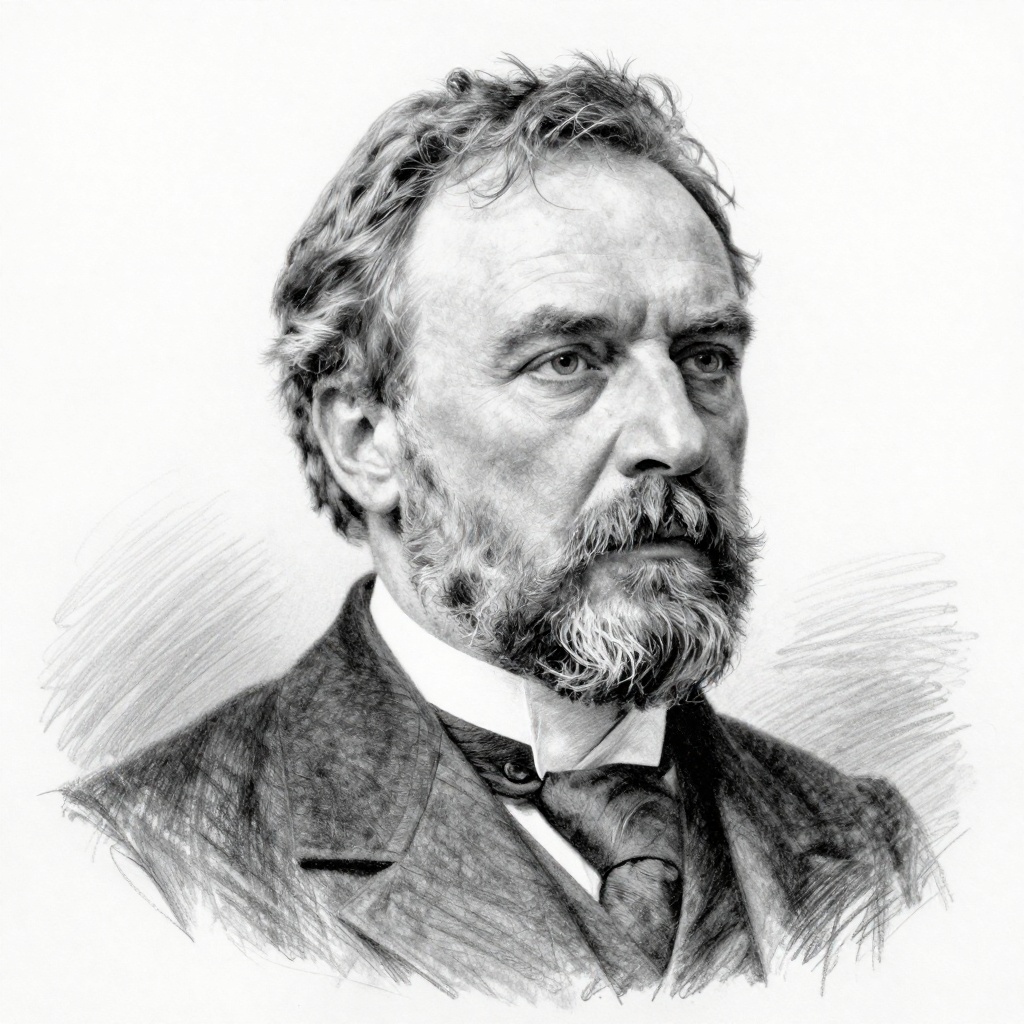
Theodore Roosevelt
1858–1919·lived 60 years
Theodore Roosevelt (1858–1919) was an American statesman, author, explorer, soldier, and naturalist who served as the 26th President of the United States from 1901 to 1909. Known for his progressive policies, trust-busting efforts, conservationism, and contributions to foreign policy, he was a larger-than-life figure in American history.
Also by Theodore Roosevelt
The nation behaves well if it treats the natural resources as assets which it must turn ov...
Comments