Quote · Added 16 February 2026
Reading
AI generatedWrong beats frozen every time
We live in a culture obsessed with making the perfect choice, which ironically paralyzes us into inaction. Roosevelt cuts through this by reminding us that a clear wrong decision beats hesitation every single time. When you're stuck between options—whether it's switching jobs, having a difficult conversation, or changing your routine—staying frozen costs you something real: time, growth, clarity you'd only gain from moving forward.
The insight that flips most people's thinking is this: the worst outcome isn't failure; it's never learning what actually happens. When you do something wrong, you get feedback. You course-correct. You become more competent. But paralysis teaches you nothing except how to be more paralyzed next time. Every successful person you know has made plenty of wrong calls, but they made them while moving.
This doesn't mean being reckless. It means trusting that thoughtful action—even imperfect action—generates the information you need to navigate better. Your next decision will be smarter because this one taught you something. The people who regret decisions years later usually aren't haunted by choices they made; they're haunted by the ones they didn't.
The author
All 32 quotes by Theodore Roosevelt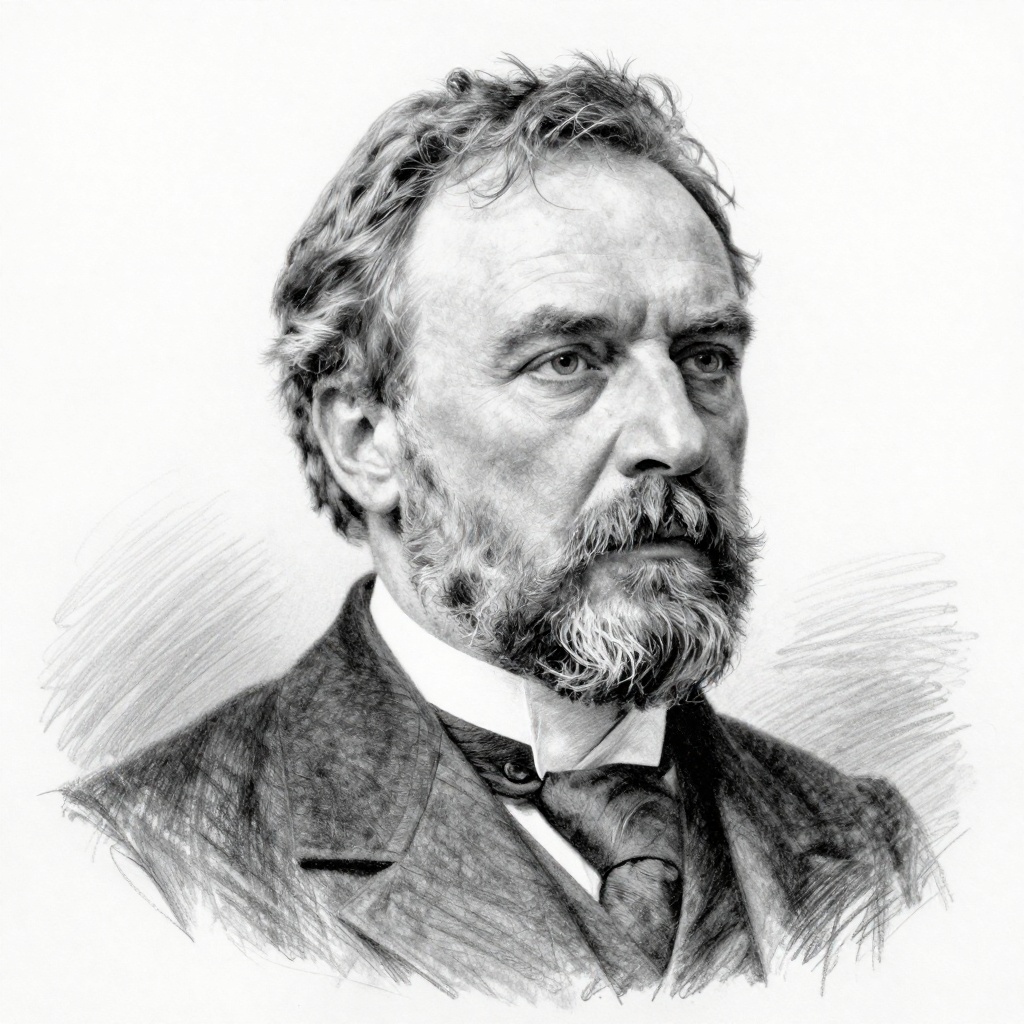
Theodore Roosevelt
1858–1919·lived 60 years
Theodore Roosevelt (1858–1919) was an American statesman, author, explorer, soldier, and naturalist who served as the 26th President of the United States from 1901 to 1909. Known for his progressive policies, trust-busting efforts, conservationism, and contributions to foreign policy, he was a larger-than-life figure in American history.
Also by Theodore Roosevelt
The nation behaves well if it treats the natural resources as assets which it must turn ov...
Comments