Quote · Added 10 February 2026
Reading
AI generatedDoing Speaks Louder Than Knowing
There's a gap between knowing what to do and actually doing it—and most of us live in that gap more often than we'd like to admit. We can read inspiring books, listen to brilliant ideas, and feel genuinely moved in the moment. But here's the thing: ideas are personal. They land differently depending on who hears them, what mood you're in, what you already believe. They need an audience primed to receive them.
Actions, though, bypass all that noise. When someone shows up for a friend in crisis, builds something useful from nothing, or stands by a principle when it costs them something—that doesn't require a shared vocabulary or education level or philosophical framework. A teenager watching someone work tirelessly toward a goal learns something no TED talk could teach. A child sees their parent apologize and learns about integrity. These lessons don't need translation.
This doesn't mean thinking deeply is pointless. But it's worth noticing how easily we can mistake consumption for progress. Reading about kindness isn't kindness. Planning a project isn't building it. The gap between knowing and doing is real, and it matters precisely because actions are the currency that actually changes people and communities. The world doesn't remember what we meant to do—it remembers what we did.
The author
All 32 quotes by Theodore Roosevelt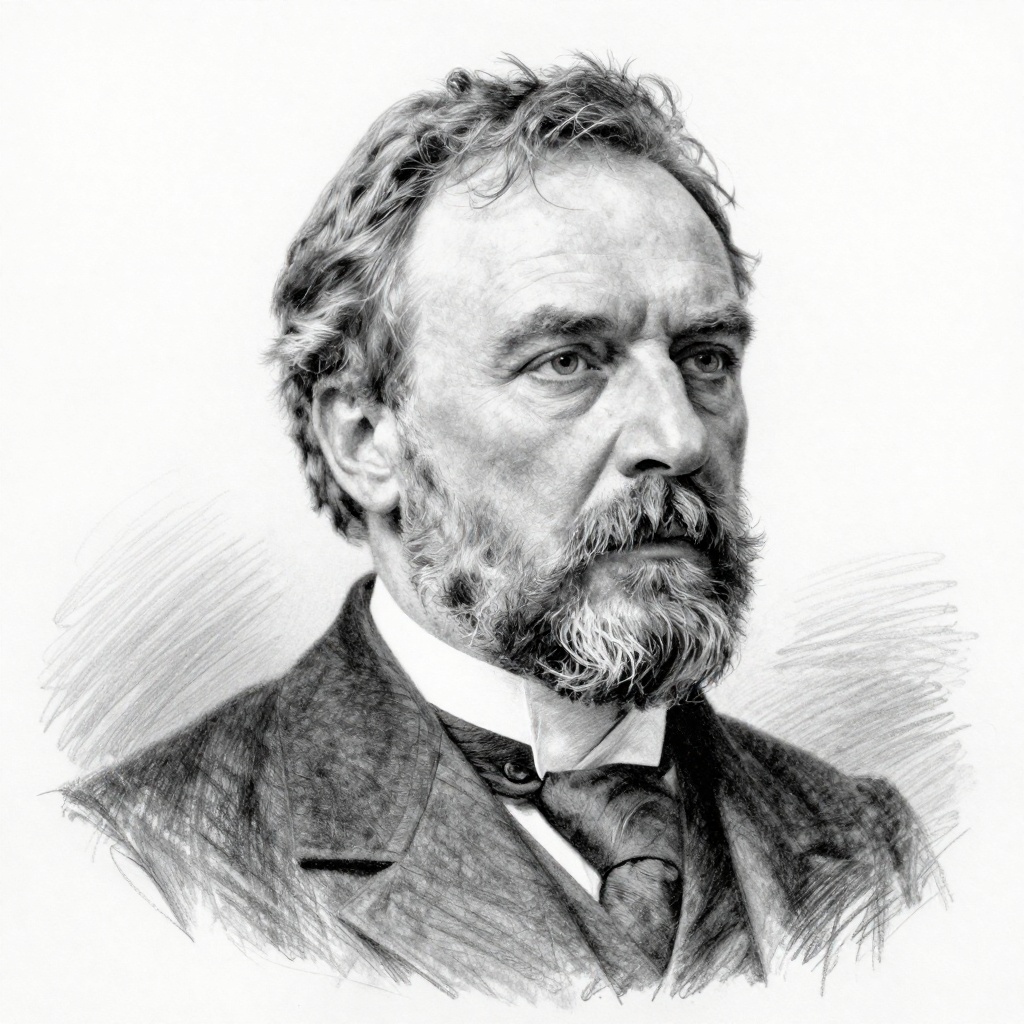
Theodore Roosevelt
1858–1919·lived 60 years
Theodore Roosevelt (1858–1919) was an American statesman, author, explorer, soldier, and naturalist who served as the 26th President of the United States from 1901 to 1909. Known for his progressive policies, trust-busting efforts, conservationism, and contributions to foreign policy, he was a larger-than-life figure in American history.
Also by Theodore Roosevelt
The nation behaves well if it treats the natural resources as assets which it must turn ov...
Comments