Quote · Added 17 February 2026
In a moment of decision, the best thing you can do is the right thing to do, the next best thing is the wrong thing, and the worst thing you can do is nothing.
Filed underdecision·action·consequences
Quote · Added 17 February 2026
Filed underdecision·action·consequences
We live in an age that rewards hesitation. There's always more data to gather, another opinion to seek, one more night to sleep on it. But Roosevelt's insight cuts through that paralysis with something almost harsh: when you're actually at a decision point, doing something—even the wrong thing—beats the trap of inaction. The wrong choice at least teaches you something and keeps momentum alive. Nothing just leaves you stuck, often pretending you haven't chosen at all.
This matters because we tend to treat indecision as safety. We tell ourselves we're being careful when really we're just avoiding the discomfort of committing. But inaction has consequences too. Relationships deteriorate from unaddressed problems. Careers stall when we won't take the leap. Health slides when we postpone decisions about habits. In these moments, a clear wrong choice often opens a door that endless deliberation never will.
The non-obvious part? The worst option often feels like the safest one. Doing nothing appears to carry no risk—no blame, no immediate failure. But that's an illusion. Every moment you don't decide is actually a decision itself, usually one made by default or by circumstance. Roosevelt is saying that at least if you act, you're the author of what happens next, even if it turns out badly.
1858–1919·lived 60 years
Theodore Roosevelt (1858–1919) was an American statesman, author, explorer, soldier, and naturalist who served as the 26th President of the United States from 1901 to 1909. Known for his progressive policies, trust-busting efforts, conservationism, and contributions to foreign policy, he was a larger-than-life figure in American history.
Also by Theodore Roosevelt
The nation behaves well if it treats the natural resources as assets which it must turn ov...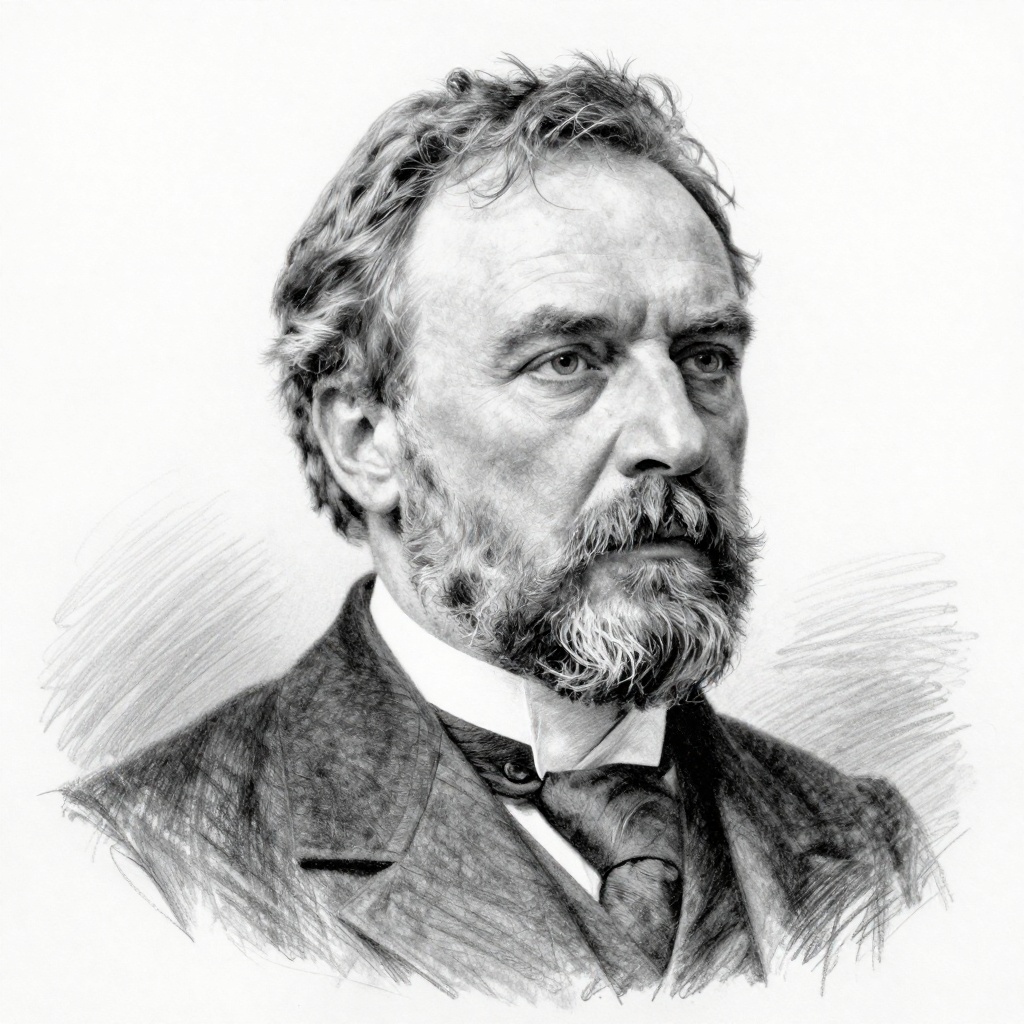
Comments