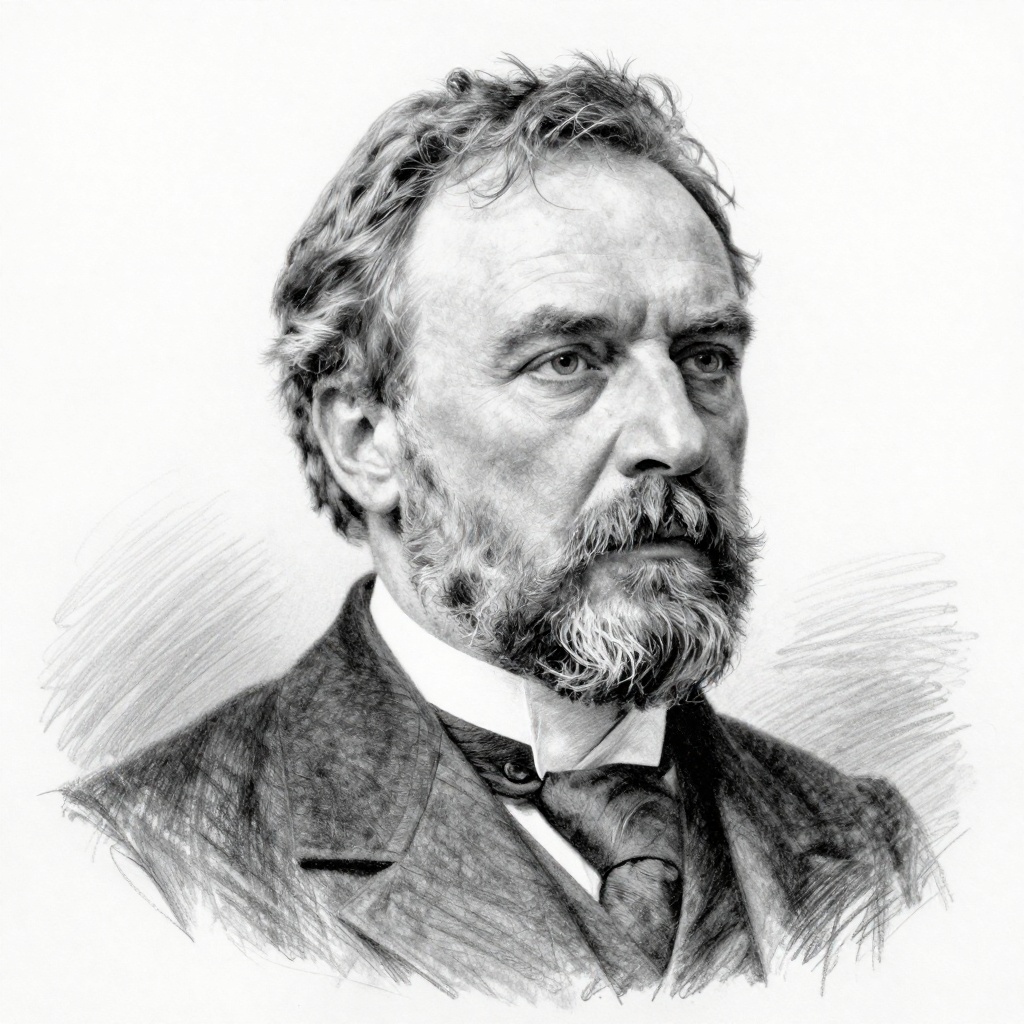
Every immigrant who comes here should be required within five years to learn English or leave the country. — Theodore Roosevelt

Every immigrant who comes here should be required within five years to learn English or leave the country.

Author: Theodore Roosevelt

Insight: There's a real tension buried in this quote that most people miss. Roosevelt wasn't being uniquely harsh—he was actually naming something that immigrants themselves often felt: that learning the local language wasn't optional if you wanted to actually belong, to work beyond the lowest jobs, to participate in civic life. In his time, the stakes were real. You couldn't read a ballot, understand a contract, or move up without English. But here's where it gets complicated. Roosevelt's five-year ultimatum assumes language learning is purely a matter of willpower, not time, resources, or circumstance. It ignores that learning a language as an adult while working sixty-hour weeks is genuinely grueling. It also sidesteps what we now know: communities with strong ethnic enclaves don't fail—they often thrive—and second-generation immigrants almost always become English speakers. The real question isn't whether people should learn English, but whether we create actual pathways for them to do so. The quote still resonates because integration matters, and language is part of that. But the underlying assumption—that punishment is the right motivator—reflects a different era. Today's question is less about enforcement and more about whether we're serious enough about making language learning actually accessible.

Belonging Requires Language, But How?

Every immigrant who comes here should be required within five years to learn English or leave the country.

There's a real tension buried in this quote that most people miss. Roosevelt wasn't being uniquely harsh—he was actually naming something that immigrants themselves often felt: that learning the local language wasn't optional if you wanted to actually belong, to work beyond the lowest jobs, to participate in civic life. In his time, the stakes were real. You couldn't read a ballot, understand a contract, or move up without English.

But here's where it gets complicated. Roosevelt's five-year ultimatum assumes language learning is purely a matter of willpower, not time, resources, or circumstance. It ignores that learning a language as an adult while working sixty-hour weeks is genuinely grueling. It also sidesteps what we now know: communities with strong ethnic enclaves don't fail—they often thrive—and second-generation immigrants almost always become English speakers. The real question isn't whether people should learn English, but whether we create actual pathways for them to do so.

The quote still resonates because integration matters, and language is part of that. But the underlying assumption—that punishment is the right motivator—reflects a different era. Today's question is less about enforcement and more about whether we're serious enough about making language learning actually accessible.

AI generated

Comments

Sign in to leave a comment or reply to one.

Sign in

Theodore Roosevelt

Theodore Roosevelt (1858–1919) was an American statesman, author, explorer, soldier, and naturalist who served as the 26th President of the United States from 1901 to 1909. Known for his progressive policies, trust-busting efforts, conservationism, and contributions to foreign policy, he was a larger-than-life figure in American history.

Graph

Related