Quote · Added 14 February 2026
A thorough knowledge of the Bible is worth more than a college education.
Theodore RooseveltConservapedia
Quote · Added 14 February 2026
There's something worth sitting with here, even if you don't share Roosevelt's specific faith. He wasn't really making a claim about God—he was pointing to something deeper about how we understand human nature, history, and why people do what they do. The Bible sits underneath so much of Western literature, law, psychology, and the stories we tell ourselves. You can't fully understand Shakespeare or the Civil Rights movement or why certain phrases haunt us without knowing the text he's referencing.
What's interesting is that Roosevelt isn't actually dismissing college. He's saying that depth in one thing—really grappling with a complex, ancient text—teaches you more about how to think than skimming a hundred subjects. It's about the difference between knowing a lot of facts and developing actual wisdom about human behavior and consequence. We feel this tension now when we confuse information access with understanding.
The uncomfortable part is that this cuts both ways. If knowledge of any foundational text matters that much, then we should all be asking: what are the core texts that actually shape how I see the world? For some it's religious scripture; for others it might be philosophy, history, or literature. The real education isn't about which book—it's about choosing something substantial and letting it change how you think.
1858–1919·lived 60 years
Theodore Roosevelt (1858–1919) was an American statesman, author, explorer, soldier, and naturalist who served as the 26th President of the United States from 1901 to 1909. Known for his progressive policies, trust-busting efforts, conservationism, and contributions to foreign policy, he was a larger-than-life figure in American history.
Also by Theodore Roosevelt
The nation behaves well if it treats the natural resources as assets which it must turn ov...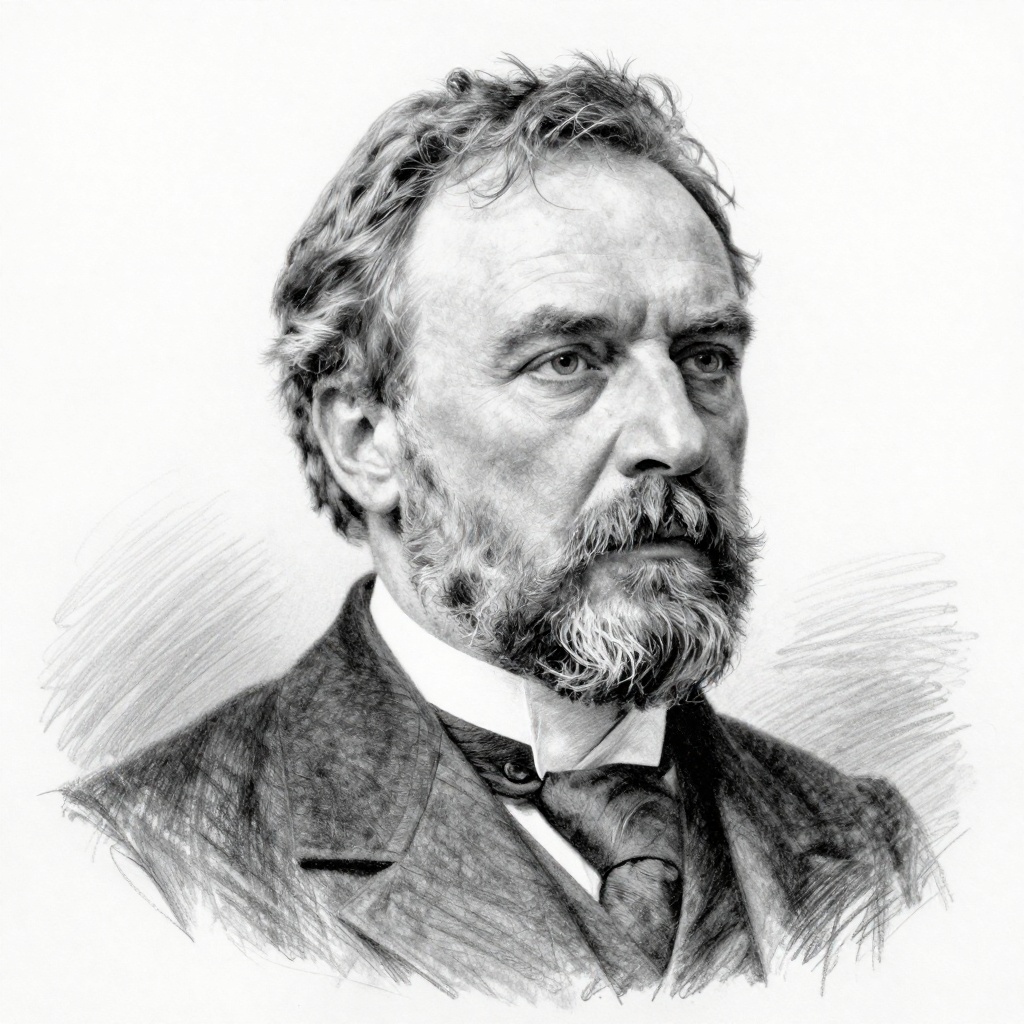
Comments