Quote · Added 15 February 2026
Reading
AI generatedSacrifice demands a debt
We tend to think of fairness as something abstract—a principle we agree with in theory. But Roosevelt grounds it in something visceral: if someone has literally risked their life for the country, then basic decency isn't charity, it's a debt. The country made a claim on their body. The country got what it asked for. So what exactly is owed back? That's where this quote cuts deepest for modern life.
The uncomfortable part isn't about military service alone. It's about the gap between what we ask of people and what we're willing to give them afterward. We celebrate sacrifice in the moment—the parades, the rhetoric—then we're somehow surprised when those same people struggle to find jobs, access healthcare, or rebuild their lives. We wanted their commitment; we just didn't plan on the follow-through. It's the same tension that shows up whenever someone does hard, necessary work for everyone else: they get the short end later and are expected to be grateful.
Roosevelt's "square deal" is refreshingly simple: not pity, not special treatment, just fair terms. The insight is that fairness isn't something you can selectively offer only when it's convenient or inexpensive. If you've asked for someone's best, you own something in return.
The author
All 32 quotes by Theodore Roosevelt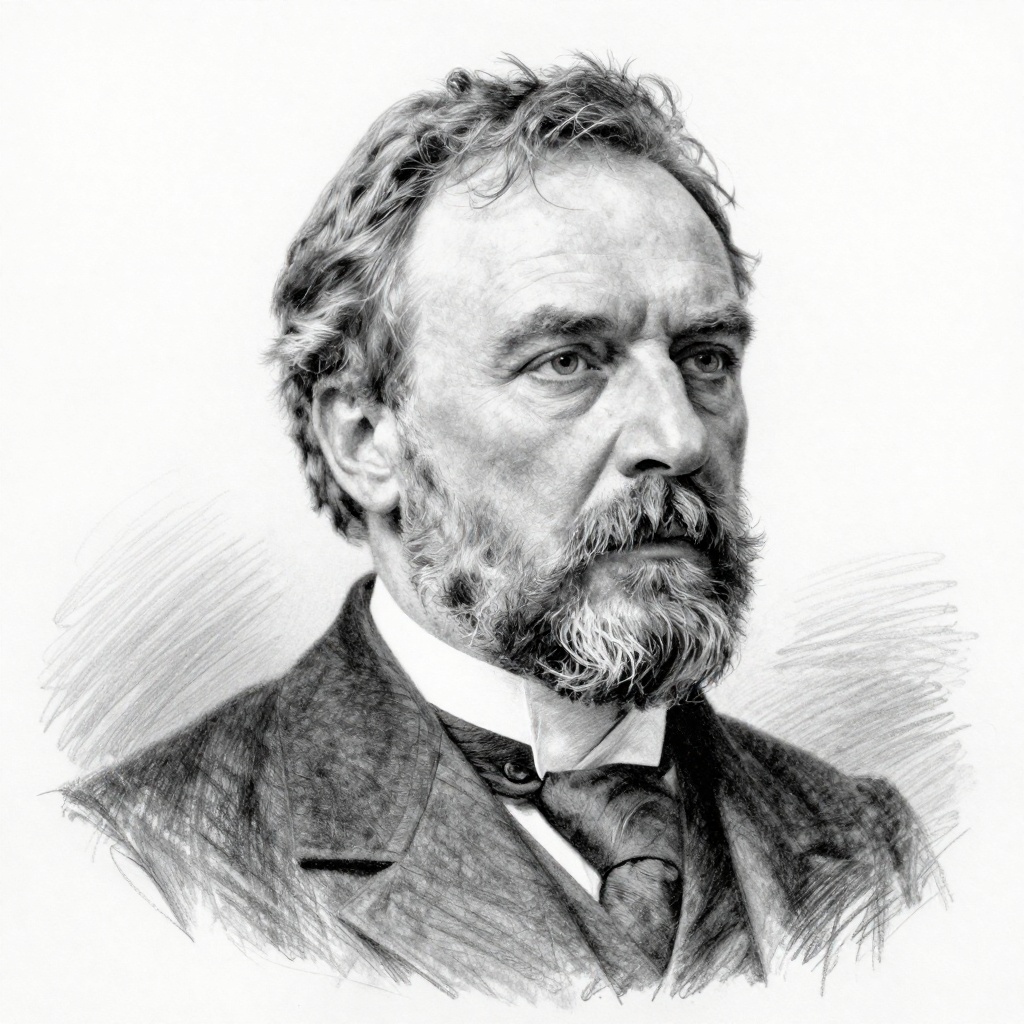
Theodore Roosevelt
1858–1919·lived 60 years
Theodore Roosevelt (1858–1919) was an American statesman, author, explorer, soldier, and naturalist who served as the 26th President of the United States from 1901 to 1909. Known for his progressive policies, trust-busting efforts, conservationism, and contributions to foreign policy, he was a larger-than-life figure in American history.
Also by Theodore Roosevelt
The nation behaves well if it treats the natural resources as assets which it must turn ov...
Comments