Quote · Added 14 February 2026
The first reaction to truth is hatred.
TertullianAdversus Valentinianos, 1.4
Quote · Added 14 February 2026
When someone tells us something we don't want to hear, our gut response isn't curiosity—it's defensiveness. We push back, find reasons to dismiss the person saying it, or attack their character instead of engaging with what they actually said. That initial flare of anger or resentment is what Tertullian's pointing at. It's not a flaw in us; it's almost automatic.
The insight here is that this reaction doesn't mean the truth is wrong or that we're bad people. It just means truth often threatens something we're invested in—our self-image, our choices, our comfortable story about how things are. A friend telling you that you're being unfair in a relationship, feedback at work that your approach isn't working, or even just noticing something uncomfortable about yourself—these all tend to sting first and make sense later.
What makes this quote useful is that it normalizes the friction. If you notice yourself hating an idea or dismissing someone quickly, you might pause and ask: why am I reacting so hard? That pause between the impulse and the response is often where real growth happens. The hatred doesn't mean you should ignore the truth—it might actually be a signal that you should examine it more carefully.
d. 220
Tertullian was an early Christian theologian and apologist born around 155 AD in Carthage, North Africa. He is best known for his significant contributions to Christian doctrine, particularly his writings on the Trinity and the nature of Christ, as well as for coining terms such as "Trinity" and "Christian." Tertullian's works laid the groundwork for later Christian thought and he is often regarded as one of the founding fathers of Western theology.
Also by Tertullian
Nature soaks every evil with either fear or shame.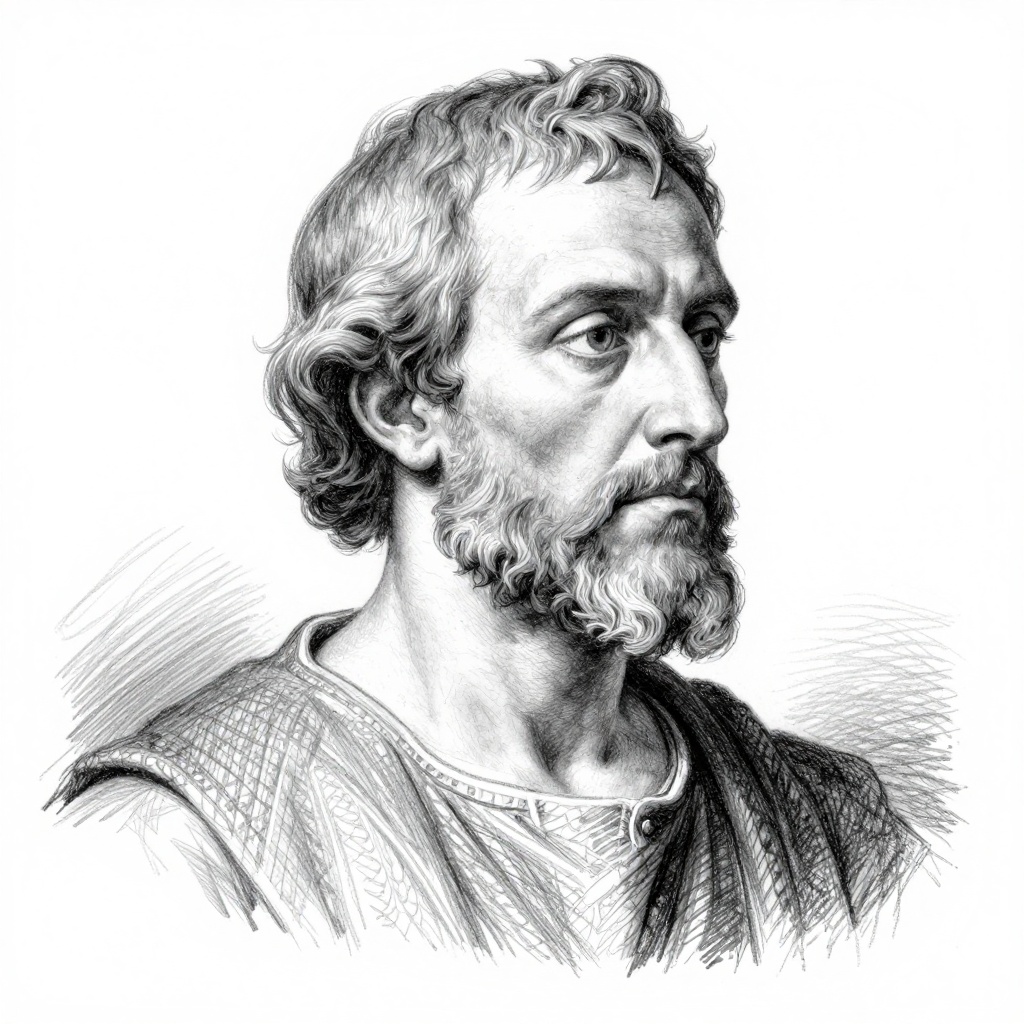
Comments