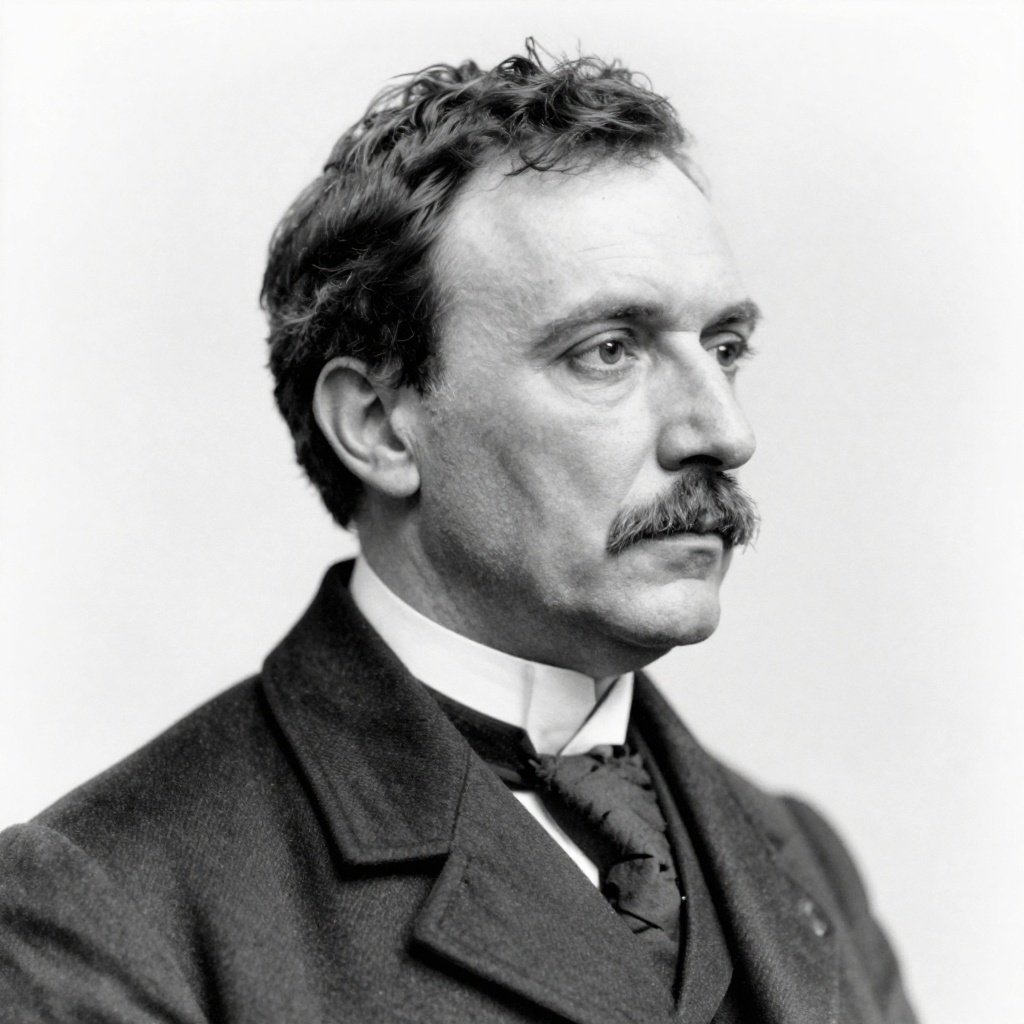
A great deal of talent is lost to the world for want of a little courage. Every day sends to their graves obsc... — Sydney Smith

A great deal of talent is lost to the world for want of a little courage. Every day sends to their graves obscure men whose timidity prevented them from making a first effort.

Author: Sydney Smith

Insight: We like to think talent speaks for itself, but Sydney Smith's observation cuts deeper: potential dies quietly all the time, not from lack of ability but from the paralysis of that first step. The pianist who never plays for anyone, the writer who never submits, the person with a genuinely good idea at work who stays silent in meetings—their talent doesn't vanish because it wasn't real. It vanishes because the gap between doing something privately and doing it publicly feels impossibly wide. What makes this sting is how invisible this loss is. Nobody knows what they're missing. The world doesn't grieve for talents it never saw. We only see the people who pushed through that initial terror and made the first awkward attempt, then built from there. We assume they were fearless, but more often they were just slightly more willing to feel uncomfortable than someone equally talented sitting at home. The practical truth: courage here isn't about being brave. It's about moving anyway, knowing you'll feel nervous. That first effort rarely feels safe or ready. It never does. But waiting for it to feel safe is what transforms genuine ability into a private regret.

Courage is just moving anyway

A great deal of talent is lost to the world for want of a little courage. Every day sends to their graves obscure men whose timidity prevented them from making a first effort.

We like to think talent speaks for itself, but Sydney Smith's observation cuts deeper: potential dies quietly all the time, not from lack of ability but from the paralysis of that first step. The pianist who never plays for anyone, the writer who never submits, the person with a genuinely good idea at work who stays silent in meetings—their talent doesn't vanish because it wasn't real. It vanishes because the gap between doing something privately and doing it publicly feels impossibly wide.

What makes this sting is how invisible this loss is. Nobody knows what they're missing. The world doesn't grieve for talents it never saw. We only see the people who pushed through that initial terror and made the first awkward attempt, then built from there. We assume they were fearless, but more often they were just slightly more willing to feel uncomfortable than someone equally talented sitting at home.

The practical truth: courage here isn't about being brave. It's about moving anyway, knowing you'll feel nervous. That first effort rarely feels safe or ready. It never does. But waiting for it to feel safe is what transforms genuine ability into a private regret.

AI generated

Comments

Sign in to leave a comment or reply to one.

Sign in

Sydney Smith

Sydney Smith was an English writer, Anglican cleric, and prominent essayist born on June 3, 1771. He is best known for his contributions to the Edinburgh Review, where his witty and engaging style helped shape English criticism in the early 19th century. Smith was also a noted preacher and a key figure in the development of liberal thought in Victorian England, advocating for social reform and education.

Graph

Related