Quote · Added 4 April 2024
Fear must be entirely banished. The purified soul will fear nothing.
Swami VivekanandaThe Complete Works of Swami Vivekananda/Volume 7/Inspired Talks/Wednesday, July 3
No ratings yet
Quote · Added 4 April 2024
There's something almost reckless about this claim—that we could simply banish fear entirely. Most of us have learned to live with worry, to keep it as a kind of smoke alarm. But Vivekananda isn't talking about practical caution. He's pointing at something deeper: the way fear paralyzes us before we even try, the way it whispers that we're not enough, not ready, not worthy. That kind of fear isn't protecting us—it's just keeping us small.
The counterintuitive part is that people who seem fearless aren't usually the ones who never feel afraid. They're the ones who've stopped believing their fear defines what's possible. They've moved through enough small terrors—the awkward conversation, the failed attempt, the honest question—that they've seen fear is survivable. It's a kind of purification through repetition, not through some mystical escape hatch.
The practical question becomes: what would you actually do if you stopped treating fear as a verdict on your chances? Not recklessly, but honestly. The things worth doing—starting something, changing course, being vulnerable—they'll still feel scary. But fear shrinks when you stop letting it be the final word.
1863–1902·lived 39 years
Swami Vivekananda, born Narendranath Datta, was an influential Indian monk and philosopher of the 19th century. He was a key figure in the introduction of Indian philosophies of Vedanta and Yoga to the Western world and is best known for his inspiring speeches at the Parliament of the World's Religions in Chicago in 1893, where he introduced Hinduism to a global audience and emphasized the universality of all religions.
Also by Swami Vivekananda
All the powers in the universe are already ours. It is we who have put our hands before ou...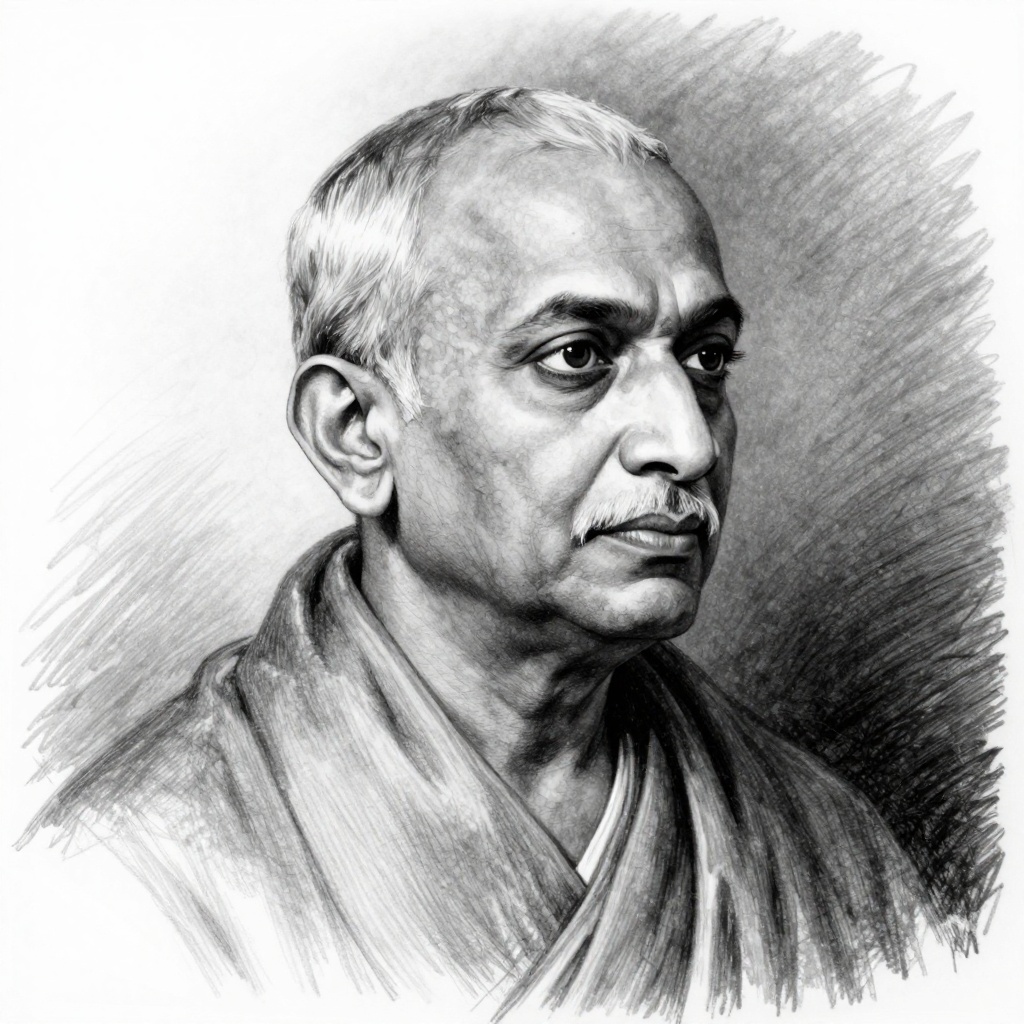
Comments