Quote · Added 15 February 2026
Reading
AI generatedWeirdness Won't Save You From Boredom
We live in an age of infinite novelty, yet boredom feels more common than ever. We can watch anything, go anywhere, do almost anything—and somehow still find ourselves scrolling listlessly at 11 PM wondering what's the point. Stendhal's observation cuts deeper than it first appears. He's not just saying that weird experiences fail to excite us. He's suggesting that chasing strangeness for its own sake is a trap. The aberration, the shock, the extreme experience—these become a kind of drug we need in higher doses, and the fix never quite lands.
What makes this relevant now is how we've industrialized the strange. Algorithms serve us the bizarre on demand: unusual stories, shocking videos, niche communities. Yet instead of feeling engaged or alive, we often feel more numb. The problem isn't that nothing's interesting anymore. It's that we've confused stimulation with meaning. Real boredom—the kind that actually torments us—isn't solved by finding something weirder to watch. It's solved by finding something that matters.
The strangest cure for boredom, ironically, might be the most ordinary thing: genuine engagement with work that matters, people who challenge us, or pursuits we actually care about.
The author
All 2 quotes by Stendhal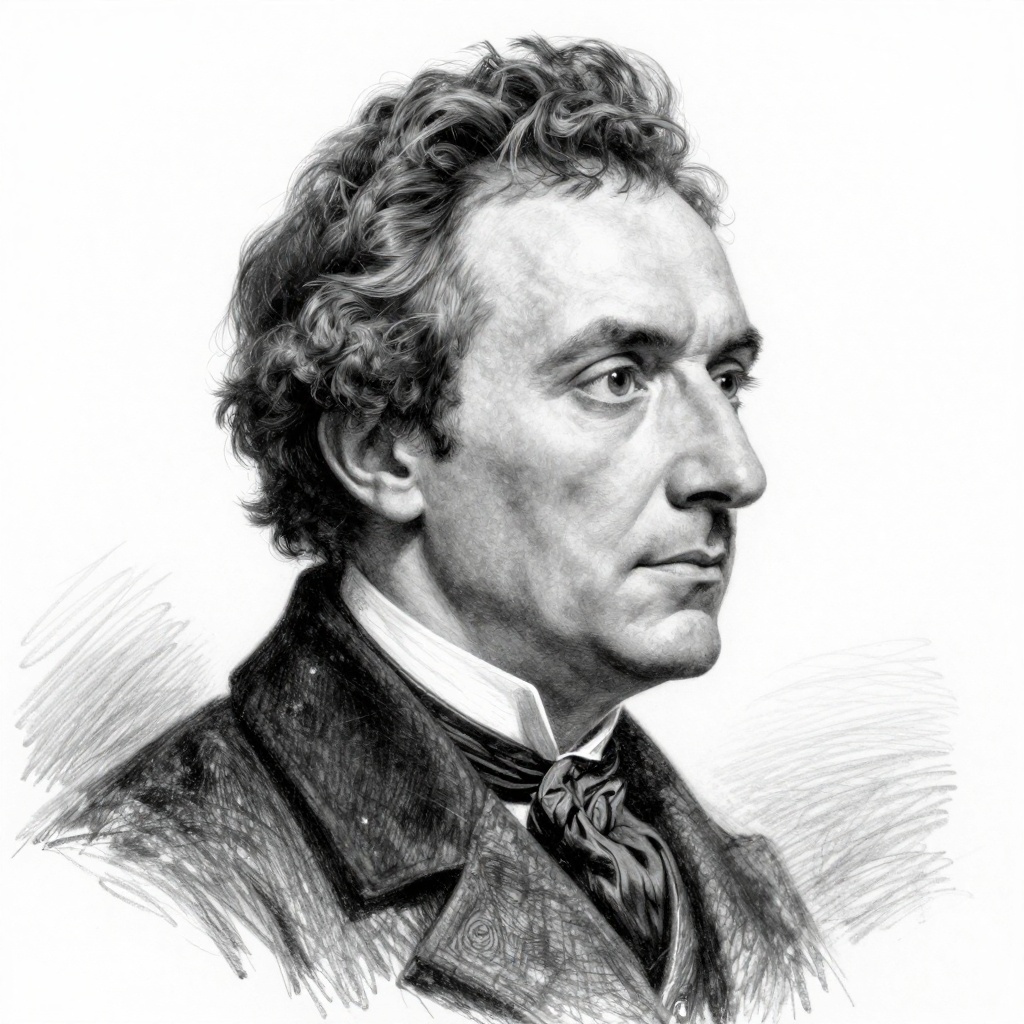
Stendhal
1783–1842·lived 59 years
Stendhal was the pen name of Marie-Henri Beyle, a French writer born on January 23, 1783. He is best known for his novels "The Red and the Black" and "The Charterhouse of Parma," which explore themes of love, ambition, and social class in post-Napoleonic France. Stendhal is considered a precursor to psychological realism in literature and has had a lasting influence on writers and critics.
Also by Stendhal
A good book is an event in my life.
Comments