Quote · Added 14 February 2026
Without labor nothing prospers.
SophoclesQuoted in The Tragedies of Sophocles - 1880
No ratings yet
Filed underlabor·prosperity·effort
Quote · Added 14 February 2026
Filed underlabor·prosperity·effort
Most of us know this in theory—nothing comes free, success requires work. But we often forget it in the ways that actually matter. We scroll past before-and-after transformations and assume they happened overnight. We admire someone's marriage or career or fitness without seeing the thousands of small, unglamorous choices underneath. The "nothing prospers" part hits differently when you realize it applies to everything: your relationships, your skills, your peace of mind, even your ability to rest well.
There's something almost counterintuitive here, though. We sometimes think labor means constant grinding, but Sophocles seems to mean something steadier: the deliberate, repeated effort that makes things actually grow. A garden doesn't prosper from one day of weeding. A friendship doesn't deepen from one conversation. Your own confidence doesn't build from one good day. It's the accumulated work—the showing up, the trying again after failure, the small maintenance tasks—that creates anything worth having.
The real insight is that this isn't depressing. It's actually freeing. It means you're not stuck with your current circumstances. It means that whatever isn't working in your life probably just needs your sustained attention, not a miracle. The barrier is usually lower than you think; the time required is usually just longer than you'd prefer.
d. 406
Sophocles was an ancient Greek playwright and one of the three ancient Greek tragedians whose works have survived. Born around 496 BC in Colonus, Athens, he is best known for his plays "Oedipus Rex," "Antigone," and "Electra," which explore complex themes of fate, ethics, and human suffering. Sophocles is also notable for introducing innovations in theatrical performance, such as the use of scenery and the introduction of a third actor, which greatly influenced the development of drama.
Also by Sophocles
Heaven never helps the man who will not act.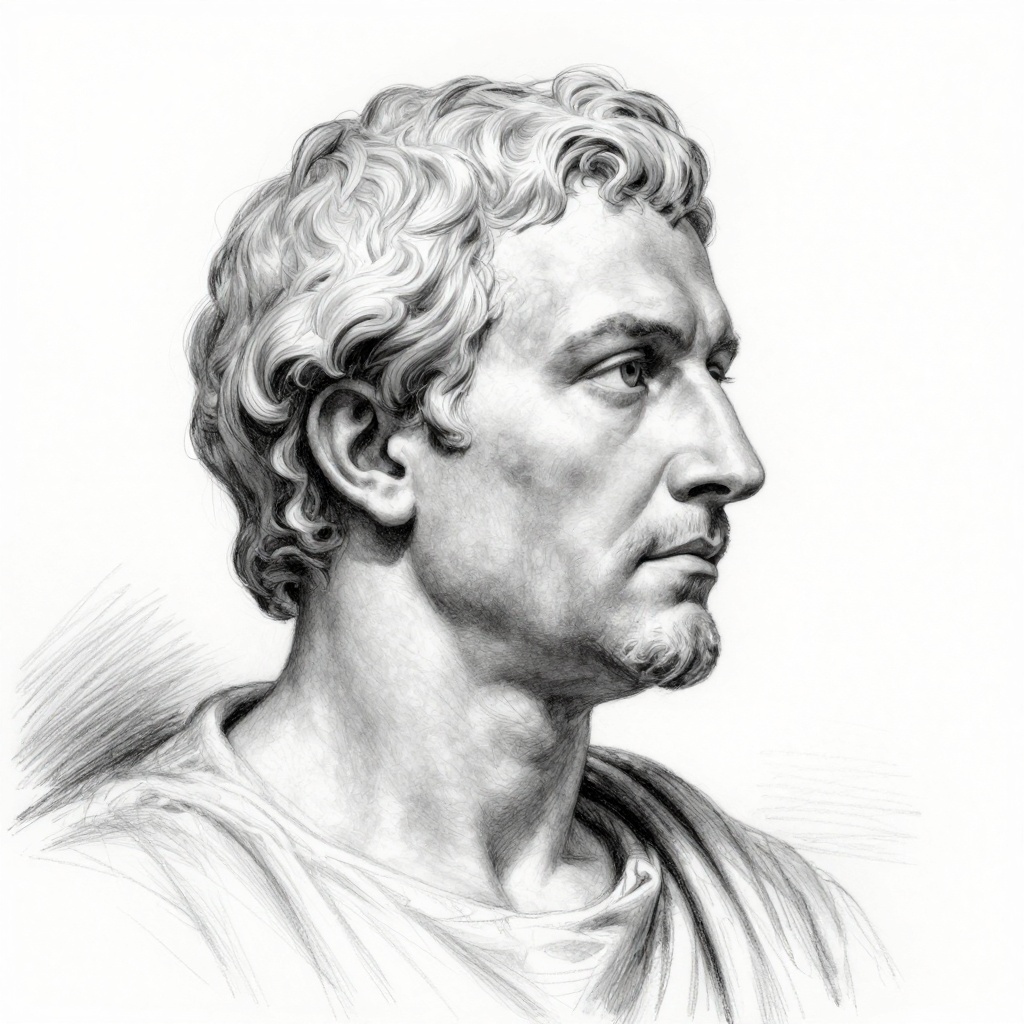
Comments