Quote · Added 14 February 2026
Who seeks shall find.
SophoclesOedipus Rex, 429 BC
No ratings yet
Filed underseeking·discovery·perseverance
Quote · Added 14 February 2026
Filed underseeking·discovery·perseverance
There's something deceptively simple about this idea, but it cuts against how most of us actually operate. We spend a lot of time waiting for things to show up—the right job, the right person, the answer to a problem—as though they're sitting on a shelf somewhere waiting to be delivered. But Sophocles is describing something more active: the act of seeking itself is what opens doors. When you actually look for something, you change what you notice, who you talk to, where you show up.
The counterintuitive part is that seeking doesn't guarantee you'll find exactly what you expected. A musician seeking inspiration might wander into a museum and get an idea from a painting. Someone looking for community might join a club about a hobby and meet their best friend. The seeking creates the conditions for discovery, but the discovery often arrives sideways.
The flip side matters too: if you don't seek, you won't find—not because the world is withholding, but because you're not primed to recognize or reach for opportunities. It's less about luck and more about the difference between passive waiting and active curiosity. The people who find things tend to be the ones who are already looking.
d. 406
Sophocles was an ancient Greek playwright and one of the three ancient Greek tragedians whose works have survived. Born around 496 BC in Colonus, Athens, he is best known for his plays "Oedipus Rex," "Antigone," and "Electra," which explore complex themes of fate, ethics, and human suffering. Sophocles is also notable for introducing innovations in theatrical performance, such as the use of scenery and the introduction of a third actor, which greatly influenced the development of drama.
Also by Sophocles
Heaven never helps the man who will not act.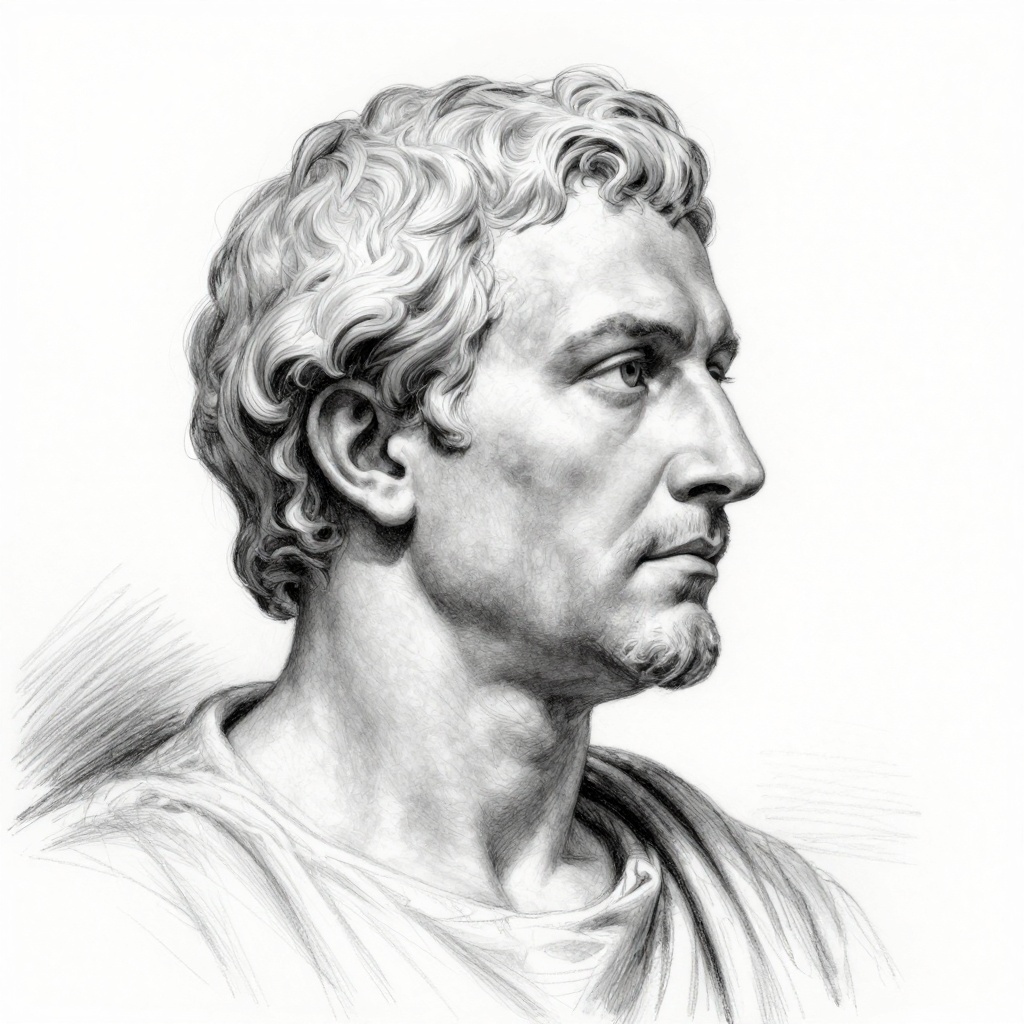
Comments