Quote · Added 14 February 2026
Trust dies but mistrust blossoms.
SophoclesElectra
No ratings yet
Filed undertrust·mistrust·relationships
Quote · Added 14 February 2026
Filed undertrust·mistrust·relationships
There's something almost unfair about how trust works. You can spend years building it through consistency, honesty, and showing up—and one betrayal can crack the whole thing. But mistrust? It spreads like a weed. One lie and suddenly you're questioning everything that came before it. You find yourself replaying old conversations, searching for hidden meanings that probably weren't there. The person who broke your trust doesn't just lose your confidence in that one moment; they've given you permission to doubt them entirely, and that doubt has a way of metastasizing into doubt about other people too.
What makes Sophocles' observation so cutting is that it captures an asymmetry we all know but rarely admit. Trust requires constant, quiet maintenance. Mistrust needs almost nothing—just one good reason, real or imagined, and it sustains itself. You might forgive someone intellectually, but suspicion lingers in the background like a habit you can't quite shake. This is why the people we trust most can hurt us deepest. They've been given real estate in our hearts, and once that's been violated, the renovation required is exhausting. The sobering part is recognizing how quickly we can become the mistrustful person ourselves—how easily one bad experience can make us stingy with the very thing that makes relationships possible.
d. 406
Sophocles was an ancient Greek playwright and one of the three ancient Greek tragedians whose works have survived. Born around 496 BC in Colonus, Athens, he is best known for his plays "Oedipus Rex," "Antigone," and "Electra," which explore complex themes of fate, ethics, and human suffering. Sophocles is also notable for introducing innovations in theatrical performance, such as the use of scenery and the introduction of a third actor, which greatly influenced the development of drama.
Also by Sophocles
Heaven never helps the man who will not act.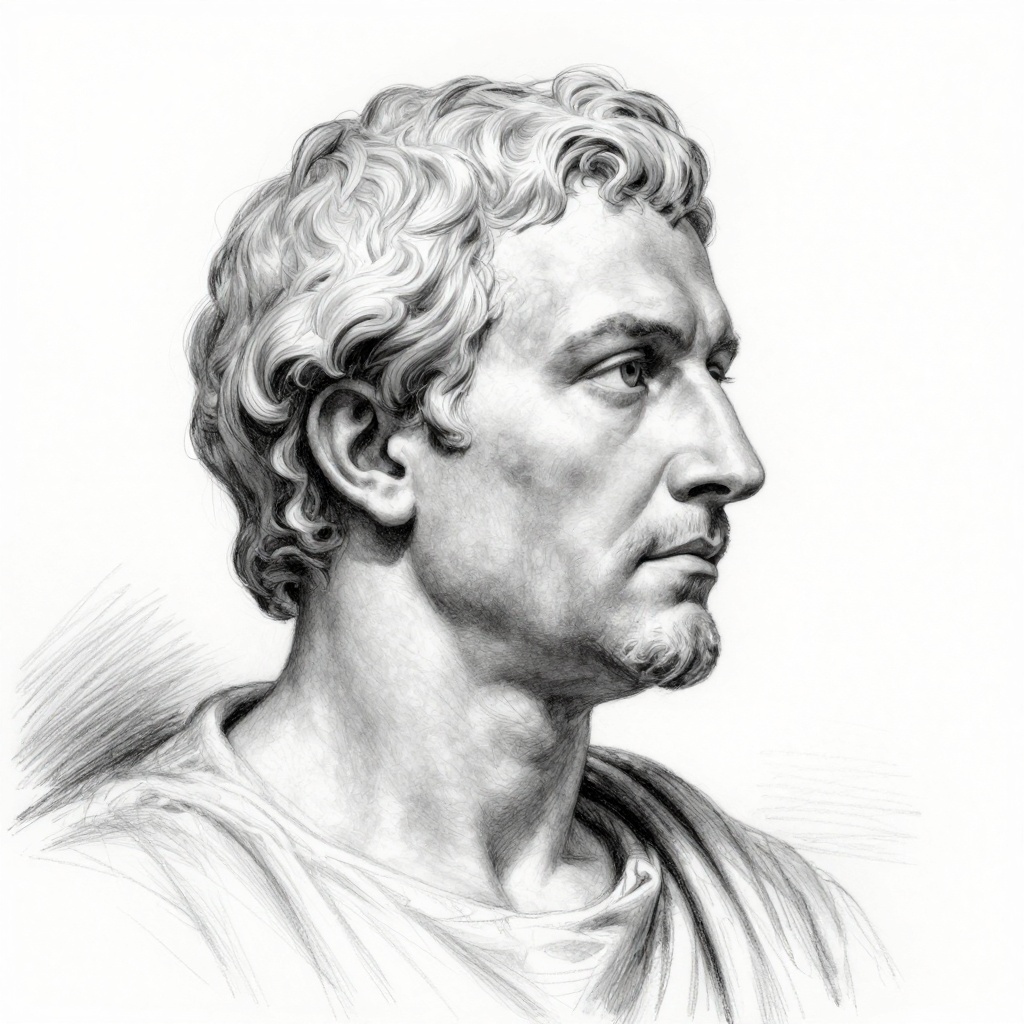
Comments