Quote · Added 14 February 2026
Success is dependent on effort.
SophoclesOedipus at Colonus, 401 BC
No ratings yet
Filed undersuccess·effort·dependency
Quote · Added 14 February 2026
Filed undersuccess·effort·dependency
There's something almost stubborn about this idea, especially now when we're surrounded by stories of overnight success and viral moments. We want to believe that timing, luck, or the right connection could bypass the work. But Sophocles was writing about something deeper than just hard work—he understood that effort isn't punishment for wanting something. It's actually the thing that makes success real and yours.
The counterintuitive part? Effort is also what makes you believe you deserve what you've built. When you cut corners, you feel it. There's a hollowness to achievements that came easy, which is why people who inherit wealth or get handed opportunities often feel strangely unsatisfied. But when you've actually struggled for something—stayed up late, failed multiple times, pushed through doubt—you own it in a way no shortcut can give you. That ownership is worth more than the achievement itself.
The practical truth is simpler: effort is the only part you can control. You can't control whether someone notices your work or whether the market shifts in your favor. You can't command good luck. But you can show up today. You can do the thing even when you're tired. That's not about grinding yourself to burnout—it's about respecting what you actually want enough to work for it.
d. 406
Sophocles was an ancient Greek playwright and one of the three ancient Greek tragedians whose works have survived. Born around 496 BC in Colonus, Athens, he is best known for his plays "Oedipus Rex," "Antigone," and "Electra," which explore complex themes of fate, ethics, and human suffering. Sophocles is also notable for introducing innovations in theatrical performance, such as the use of scenery and the introduction of a third actor, which greatly influenced the development of drama.
Also by Sophocles
Heaven never helps the man who will not act.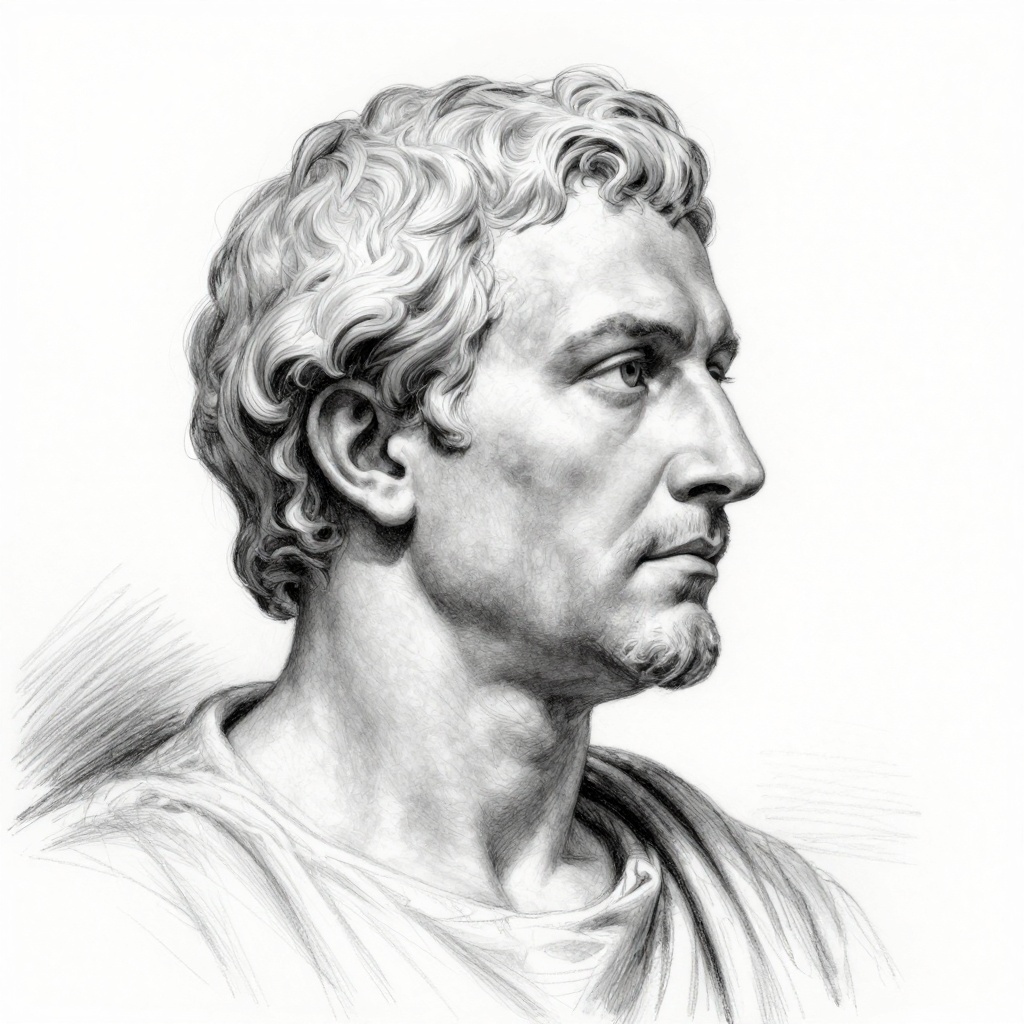
Comments