Quote · Added 14 February 2026
One who knows how to show and to accept kindness will be a friend better than any possession.
No ratings yet
Filed underkindness·friendship·value
Quote · Added 14 February 2026
Filed underkindness·friendship·value
We live in an age of endless accumulation—better jobs, nicer homes, the right possessions—yet people report feeling lonelier than ever. Sophocles understood something we keep forgetting: the thing that actually sustains us isn't what we own, but who shows up when things are hard. A friend who knows how to be genuinely kind, without keeping score, fills a space no object ever could.
What makes this observation oddly modern is the second part: accepting kindness. Most of us are better at giving than receiving. We help a friend move, bring soup to someone sick, feel righteous about our generosity. But accepting help? That requires vulnerability we often resist. Yet that's exactly where real friendship lives—in the mutual willingness to need each other sometimes, not just in the proud moments of helping.
The real insight is that friendship isn't a luxury good for when everything else is handled. It's the foundation. A person surrounded by possessions but unable to show kindness or ask for it when needed isn't rich at all. The friend who gets both sides of kindness—the giving and the asking—has found something closer to what makes life actually worth living.
d. 406
Sophocles was an ancient Greek playwright and one of the three ancient Greek tragedians whose works have survived. Born around 496 BC in Colonus, Athens, he is best known for his plays "Oedipus Rex," "Antigone," and "Electra," which explore complex themes of fate, ethics, and human suffering. Sophocles is also notable for introducing innovations in theatrical performance, such as the use of scenery and the introduction of a third actor, which greatly influenced the development of drama.
Also by Sophocles
Heaven never helps the man who will not act.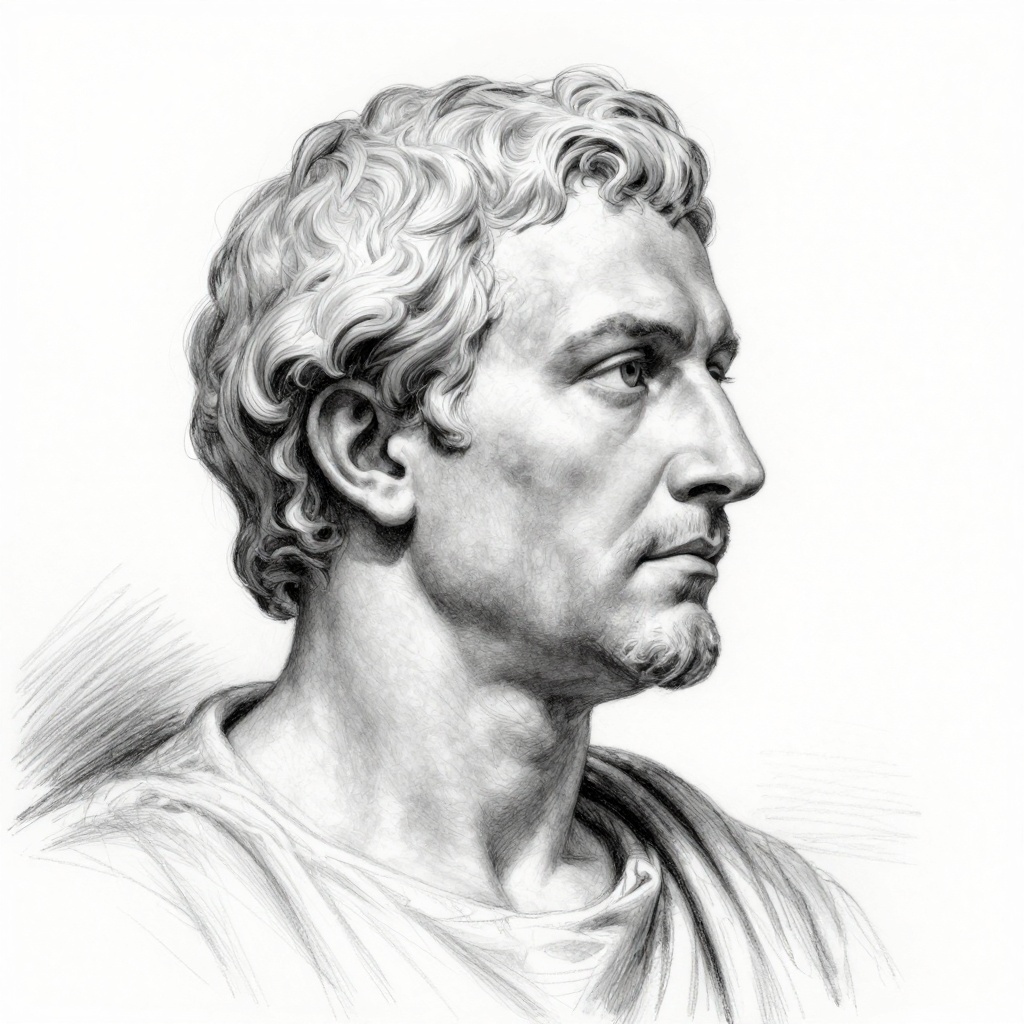
Comments